WORLDEF Istanbul 2026 - Upcoming Event

Register Now

EU Parcel Delivery Market Shows Competitive Conditions, New Report Finds

Parcel Delivery in Europe

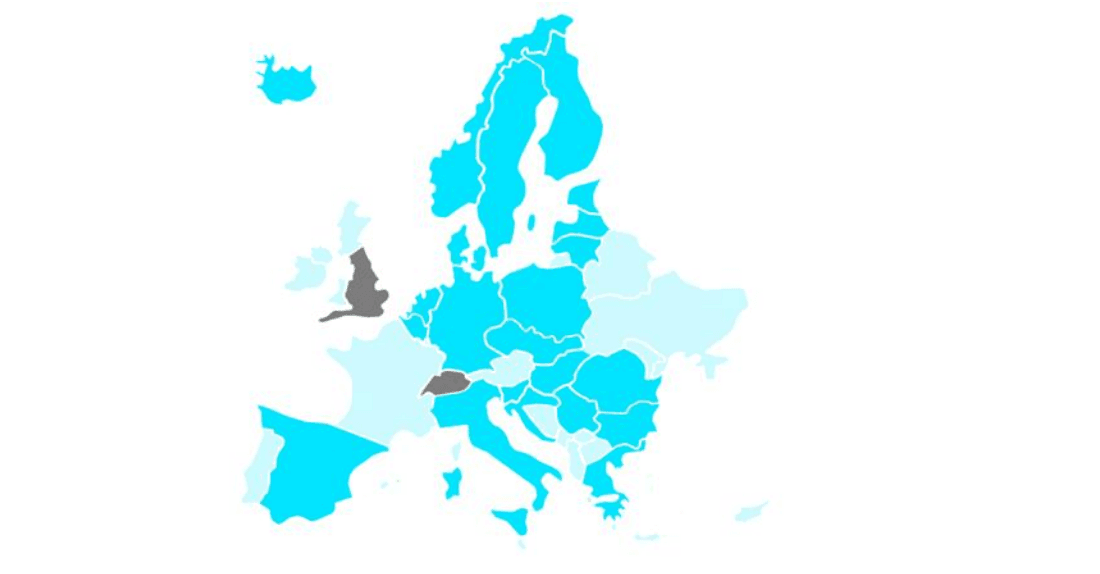
Parcel delivery markets in Europe appear broadly competitive, according to a new Copenhagen Economics study, as the EU reviews whether e-commerce parcel delivery should face new sector-specific rules.

The European Union’s parcel delivery market shows no evidence of structural competition problems, according to a new study by Copenhagen Economics prepared for PostEurop. The report comes as the European Commission reviews the EU regulatory framework for postal and delivery services and considers whether a future EU Delivery Act should extend regulation to e-commerce parcel delivery.

The study examines whether parcel delivery services linked to online shopping operate under effective competition. It focuses on three main areas: market structure, firm conduct, and market performance. According to the report, the evidence points to a sector with multiple operators, active entry, moderate margins, and a wide range of delivery options for consumers.

The issue has become more important as e-commerce continues to reshape the postal and logistics landscape in Europe. Letter volumes have been declining, while parcel volumes linked to online retail have grown. This has created a policy question for regulators: should e-commerce parcel delivery be treated as part of traditional postal regulation, or should it remain mainly governed by competition law and general market rules?

Parcel delivery markets in Europe

Copenhagen Economics argues that the current evidence does not support broad ex ante regulation of e-commerce parcel delivery. The report says that any new regulation should be based on a clear theory of harm and evidence of market failure. Without such evidence, it warns that regulation could create the risk of regulatory failure by weakening investment, innovation, and competitive pressure.

One of the report’s central findings is that e-merchants have significant bargaining power in the parcel delivery market. Online retailers and platforms are the direct buyers of delivery services. They select operators, negotiate contracts, and decide which delivery options are offered to consumers at checkout. Large e-commerce companies, in particular, can use their parcel volumes to negotiate better prices and service conditions.

The report also highlights that the European parcel delivery market includes a wide range of operators and business models. These include national postal operators, pan-European carriers such as DHL, DPD, UPS, GLS, and FedEx, regional providers, out-of-home delivery specialists, consolidators, and vertically integrated platforms such as Amazon, Allegro, and Vinted. This variety suggests that competition is not based only on price, but also on speed, convenience, network coverage, tracking, and returns.

Market concentration in parcel delivery is also lower than in traditional letter mail. The report states that the leading operator in parcel markets typically holds a share of around 37 to 50 percent, while the main operator in letter markets often holds between 82 and 94 percent. This difference is important because it shows that parcel delivery has a more distributed competitive structure than legacy postal services.

The study also finds that entry barriers in parcel delivery are relatively low. New operators can enter by focusing on specific parts of the value chain, such as last-mile delivery, parcel lockers, regional networks, or cross-border consolidation. The report notes that the number of domestic and cross-border parcel delivery operators has increased over the past decade, suggesting that new companies have been able to enter and expand.

Profitability levels also appear moderate. According to Copenhagen Economics, parcel operators’ EBIT margins typically ranged between 2.5 and 9 percent, averaging 5.5 percent in 2025. The report argues that these margins are not consistent with systematic excessive pricing. It also says that higher prices for cross-border delivery largely reflect higher costs, including longer distances, coordination between operators, customs procedures, and lower volumes.

For consumers, the report finds that parcel delivery services are generally accessible and affordable. Online shoppers across Europe can often choose between home delivery, parcel lockers, and pick-up or drop-off points. The report also says service quality is broadly similar across urban and rural areas, with reliable, timely delivery and high consumer satisfaction.

However, the report does not suggest that the market is free from all concerns. It acknowledges that competition issues can arise in specific cases, particularly where firms hold strong positions or where platform power affects logistics markets. But it argues that these concerns are better addressed through existing competition law rather than a broad new regulatory framework for parcel delivery.

The policy conclusion is clear: Copenhagen Economics says a new EU Delivery Act should avoid imposing sector-specific regulation on e-commerce parcel delivery unless clear market failures are demonstrated. It also argues that extending the postal universal service obligation to e-commerce parcels could create an uneven playing field between universal service providers and other parcel operators.

For Europe’s e-commerce sector, the debate matters because delivery is now a core part of the online shopping experience. Fast, affordable, and reliable parcel delivery affects conversion rates, customer satisfaction, marketplace competition, and cross-border trade. As the EU considers its next regulatory steps, the report suggests that policymakers should be cautious about applying traditional postal rules to a fast-changing parcel delivery market.

DHL and USPS Sign $10 Billion Deal to Reshape U.S. E-Commerce Deliveries

DHL and USPS Sign $10 Billion Deal to Reshape U.S. E-Commerce Deliveries

The logistics industry witnessed one of its largest partnership agreements in recent years as DHL eCommerce and the United States Postal Service (USPS) announced a long-term exclusive contract valued at more than $10 billion. The agreement strengthens a relationship that has existed for over 25 years and signals a new phase in the evolution of last-mile delivery across the United States.

Under the agreement, DHL eCommerce will continue to manage parcel pickup, sorting, and transportation through its nationwide network of 19 automated hubs, while USPS will remain the exclusive provider responsible for final-mile delivery. The partnership gives DHL access to USPS’s extensive delivery infrastructure, which serves more than 170 million addresses across over 41,000 ZIP Codes six days a week.

A Strategic Move for U.S. E-Commerce Growth

The deal arrives at a time when global e-commerce volumes continue to rise and logistics providers are under increasing pressure to improve delivery speed, efficiency, and cost management. Rather than investing heavily in building a dedicated residential delivery network in the United States, DHL has chosen to deepen its collaboration with USPS, allowing the company to scale operations while leveraging an already established nationwide infrastructure.

According to DHL eCommerce Americas CEO Scott Ashbaugh, the agreement creates a more stable platform for customers and supports the company’s long-term expansion plans in the U.S. market. Industry analysts also view the partnership as a practical response to the growing complexity of parcel delivery, where final-mile logistics remain one of the most expensive and operationally demanding stages of the fulfillment process.

USPS Strengthens Its Commercial Logistics Position

For USPS, the agreement represents a major commercial win as the organization continues efforts to diversify revenue streams and strengthen its financial position. The Postal Service has increasingly positioned itself as a critical logistics infrastructure partner for major parcel carriers, offering nationwide reach that would be difficult and costly for private operators to replicate independently.

The contract is expected to generate more than $10 billion in revenue over its duration, making it one of the most significant agreements in USPS’s parcel delivery business. The partnership also reinforces a broader industry trend where logistics providers focus on specialized segments of the delivery chain while relying on strategic partnerships for nationwide residential coverage.

As competition intensifies across the global e-commerce logistics sector, the DHL-USPS agreement highlights how collaboration, infrastructure sharing, and operational efficiency are becoming central to long-term growth strategies. With parcel volumes projected to continue rising throughout the decade, both organizations are positioning themselves to capture a larger share of the expanding U.S. e-commerce market.

Source

Amazon Launches 30-Minute Delivery Option Across the U.S.

Amazon

Amazon has taken a significant step in the e-commerce sector with the launch of its 30-minute delivery service in several major cities across the United States. The company calls this new service “Amazon Now,” allowing consumers to receive a variety of products, from grocery shopping to household needs, within just 30 minutes.

With “Amazon Now,” Amazon offers great convenience to customers seeking speed while shopping. The company announced that the service will initially be available in large cities such as Atlanta, Dallas-Fort Worth, Philadelphia, and Seattle.

Additionally, the service is planned to expand to other cities such as Austin, Denver, Houston, and Orlando. Amazon aims to provide this service to millions of customers in different regions of the U.S. by the end of the year.

Amazon’s Fast Delivery Competition

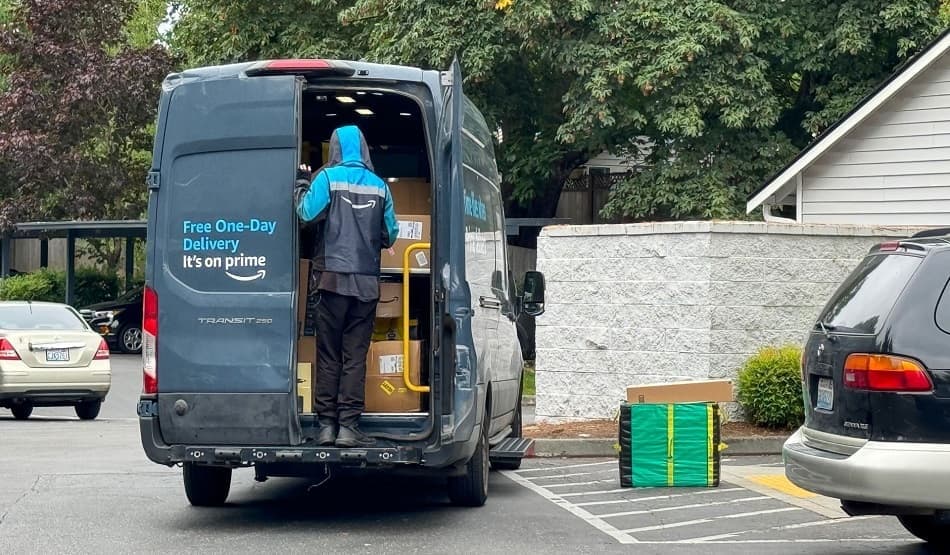
Amazon Now offers a wide range of products, from fresh food items to electronics. Customers can quickly access the products they need by placing an order via the app or website. Furthermore, Amazon members can take advantage of this service by paying just a $3.99 fee per order.

With this new 30-minute delivery option, Amazon aims to gain an advantage over competitors not only in terms of speed but also in pricing. Compared to other fast delivery services, Amazon’s pricing strategy is more transparent and generally more favorable for Prime members. For example, Prime members pay only $3.99, while non-Prime members pay $13.99.

New Delivery Locations Set Up for Fast Commerce

In order to enable these fast deliveries, Amazon is reducing its reliance on larger warehouses by setting up smaller delivery locations closer to where customers live. These smaller warehouses not only provide faster delivery times but also make Amazon’s supply chain more efficient.

With “Amazon Now,” Amazon is not only offering 30-minute delivery options but also providing different alternatives with 1-hour and 3-hour delivery options. Additionally, Amazon is testing drone deliveries under Prime Air, which are faster than 60 minutes.

Amazon Prime members can receive millions of products worldwide either the same day or the next day. As of 2025, Amazon Prime members have received over 13 billion products in total.

Saudi Arabia’s Delivery Sector Recorded 118 Million Orders in the First Quarter

delivery

Saudi Arabia’s delivery sector reached more than 118 million orders in the first quarter of 2026. This figure represents a 49 percent annual increase.

According to the Saudi Transport General Authority, the delivery sector in Saudi Arabia reached more than 124 million orders in the fourth quarter of 2025. The sector also delivered a remarkable performance in the first quarter of 2026. Accordingly, more than 118 million orders were recorded in Q1 2026, marking a 49 percent increase.

According to the Authority’s statistics, the highest share of total delivery orders in Q1 2026 was recorded in the Riyadh region with 44 percent. It was followed by Makkah (22.21 percent) and the Eastern Province (16.23 percent). Madinah accounted for 4.97 percent of total orders. The other regions were as follows: Asir (3.34 percent), Qassim (2.77 percent), Tabuk (1.74 percent), Hail (1.66 percent), Jazan (1.14 percent), Najran (0.64 percent), Al-Jouf (0.65 percent), Northern Borders (0.51 percent), and Al-Baha (0.18 percent).

A Major Player in E-Commerce and Food Delivery

These figures indicate strong demand, in addition to seasonal fluctuations in e-commerce, food, and retail delivery activities. The growth in delivery volumes also reflected changing consumer behavior. Increased reliance on app-based platforms, real-time tracking technologies, and integrated supply chain solutions reshaped retail and service distribution across urban and regional markets.

In Saudi Arabia, the deli very sector has become one of the cornerstones of the digital economy thanks to e-commerce, food delivery platforms, and last-mile logistics services. The Transport General Authority stated that the growth in the sector “reflects the expansion in service scope, improved operational efficiency, and faster fulfillment of beneficiary requests.”

The National Transport and Logistics Strategy aims to position Saudi Arabia as a “global logistics hub.” In this context, regulatory reforms and investments aimed at increasing logistics efficiency and improving service quality contributed to the deli very sector.

Grab Expands Beyond Southeast Asia with $600 Million Foodpanda Deal in Taiwan

Grab Expands Beyond Southeast Asia with $600 Million Foodpanda Deal in Taiwan

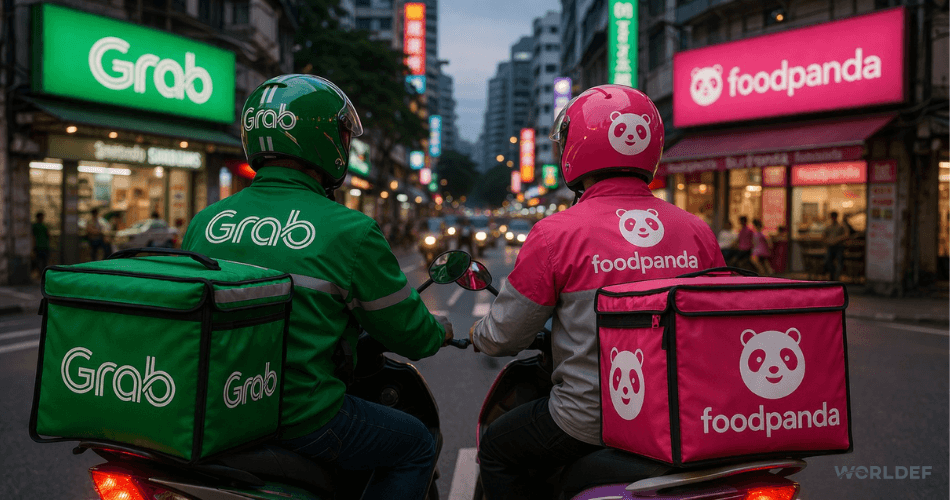
Grab is making its most significant international move yet with the acquisition of Foodpanda’s Taiwan business from Delivery Hero for $600 million. The deal marks Grab’s first expansion outside Southeast Asia, signaling a new phase in its regional growth strategy.

Taiwan represents a highly attractive market, with strong demand for mobile-first services and a well-established food delivery ecosystem. Foodpanda’s operations already span 21 cities and generated around $1.8 billion in gross merchandise value in 2025, making it a valuable entry point for Grab.

Why This Deal Matters for Grab’s Growth Strategy

This acquisition is more than geographic expansion – it reflects Grab’s broader strategy of scaling through targeted, value-driven deals. Following profitability, the company has accelerated its M&A activity, committing over $1 billion across multiple deals in recent months.

By entering Taiwan, Grab adds a high-income, densely populated market that closely resembles the urban environments it already operates in. The company plans to leverage its AI-powered logistics, mapping systems, and data tools to improve delivery efficiency and merchant performance.

The deal also positions Grab to compete more directly with global players while diversifying its revenue streams beyond its core Southeast Asian markets.

A Turning Point for Asia’s Delivery Landscape

The transaction highlights a broader shift in Asia’s delivery and platform economy. As competition intensifies, companies are increasingly focusing on consolidation, profitability, and strategic market selection.

For Delivery Hero, the sale is part of a wider restructuring effort aimed at optimising capital allocation and reducing debt.

For Grab, however, it represents a long-term bet on expanding its ecosystem – from food delivery to fintech and mobility – across new markets.

What This Mean

Grab’s entry into Taiwan signals that the next phase of platform growth in Asia will be driven by selective expansion, AI-driven efficiency, and ecosystem integration.

As regional leaders move beyond their home markets, competition is shifting from local dominance to cross-border scale.

Source: Asia Tech Review

24 Hours of Disruption Raise New Concerns for E-Commerce After AWS Issues in Bahrain

24 Hours of Disruption Raise New Concerns for E-Commerce After AWS Issues in Bahrain

Amazon has flagged a disruption in its Amazon Web Services (AWS) region in Bahrain following reported drone activity, highlighting growing risks to global digital infrastructure. The incident reflects how geopolitical tensions are increasingly affecting cloud services that power e-commerce, fintech, and digital platforms worldwide.

Disruption Hits Core Cloud Infrastructure

AWS confirmed that its Bahrain region experienced service disruption linked to drone activity in the area. While the company has not confirmed a direct strike on the facility, it acknowledged operational impact and is assisting customers in shifting workloads to alternative regions.

This marks the second disruption in the region within a month, signaling ongoing instability affecting cloud infrastructure.

Ripple Effects Across E-Commerce and Digital Services

AWS plays a critical role in supporting e-commerce platforms, payment systems, and enterprise applications. Disruptions can impact everything from online transactions to logistics and customer experience.

Earlier incidents in the region caused outages affecting banking systems, delivery platforms, and digital services reliant on AWS infrastructure.

This underscores how deeply integrated cloud infrastructure is within the digital economy.

Geopolitical Risks Enter the Digital Economy

The disruption is linked to broader Middle East tensions and drone activity tied to ongoing conflict.

This situation highlights a new reality: digital infrastructure is no longer isolated from geopolitical risks. Data centers, once considered secure back-end systems, are now potential targets in modern conflicts.

Businesses Shift Toward Multi-Region Strategies

In response, Amazon is urging customers to migrate workloads to other AWS regions to ensure continuity.

This accelerates a growing trend in e-commerce and tech: multi-region and multi-cloud strategies to reduce dependency on a single location.

Companies are increasingly investing in redundancy, disaster recovery systems, and decentralized infrastructure.

A Wake-Up Call for the Global Digital Ecosystem

The Bahrain disruption highlights vulnerabilities in the infrastructure powering global commerce. Structural damage, power disruptions, and service outages reported in earlier incidents show how physical risks can directly impact digital operations.

As e-commerce continues to scale globally, ensuring resilience in cloud infrastructure will become a top priority for businesses and governments alike.

Source: Gulf News

Pakistan Retail Growth: 53 Years of Naheed Driving an AI-Powered E-Commerce Shift

Pakistan Retail Growth: 53 Years of Naheed Driving an AI-Powered E-Commerce Shift

Pakistan’s retail sector is undergoing a major transformation, driven by digital adoption, e-commerce expansion, and increasing foreign investment. At the center of this shift is Naheed, a long-established retailer that is redefining how traditional retail and digital commerce can coexist.

Founded in the 1970s as a small grocery store in Karachi, Naheed has evolved into one of Pakistan’s leading omnichannel retailers. Today, the company operates a 52,000-square-foot retail hub and has built a strong e-commerce presence offering more than 80,000 products to customers across the country.

From Traditional Retail to Omnichannel Leadership

Naheed’s growth reflects a broader trend in Pakistan, where legacy retailers are transitioning toward digital-first models. By combining its physical store experience with a robust online platform, the company has created a seamless omnichannel ecosystem.

This approach has helped Naheed build strong customer trust, leveraging decades of brand recognition while adapting to modern consumer expectations. As a result, it has become one of the largest standalone e-commerce players in Pakistan.

AI and Technology Shape the Future

Innovation is playing a central role in Pakistan’s retail evolution. Naheed is now focusing on integrating advanced technologies, including plans to develop an AI-driven data center to enhance operations, customer insights, and scalability.

This move highlights how Pakistani retailers are increasingly investing in data and automation to stay competitive in a rapidly changing digital landscape.

UAE Partnerships Boost Pakistan Retail Growth

International collaboration is becoming a key driver of Pakistan’s retail transformation. Naheed is actively exploring partnerships with UAE investors, aiming to leverage their technological expertise and infrastructure capabilities.

According to company leadership, such collaborations could significantly accelerate innovation and unlock new growth opportunities for Pakistan’s retail ecosystem.

Expanding Product Ecosystems

To diversify its offering, Naheed has expanded beyond traditional grocery retail by launching new verticals such as Naheed Pharmacy, focusing on health, beauty, and wellness products.

This reflects a growing trend in Pakistan where retailers are evolving into multi-category platforms, similar to global marketplace models.

A Market with Strong Growth Potential

Pakistan presents a compelling opportunity for investors, supported by a young population, with around 65% aged between 18 and 35, and a rapidly growing middle class.

As digital infrastructure improves and consumer behavior shifts online, the country is emerging as a high-potential market for e-commerce and retail innovation.

Pakistan’s retail sector is entering a new phase where technology, partnerships, and omnichannel strategies are redefining the industry. Companies like Naheed are not only adapting to change but actively shaping the future of commerce in the region.

Source: Gulf News

Amazon Becomes the Largest Carrier in the U.S., Delivering 6.7 Billion Packages in 2025

Amazon

Amazon became the largest carrier in the United States by parcel delivery volume in 2025. According to ShipMatrix data, the company narrowly surpassed the U.S. Postal Service (USPS), delivering 6.7 billion packages in 2025, compared with USPS’s 6.6 billion. During the same period, UPS handled 4.4 billion packages, while FedEx delivered 3.6 billion. This picture shows that Amazon is no longer only an e-commerce giant, but also one of the country’s most powerful last-mile logistics players.

Dependence on USPS Has Declined

Three main factors stand out behind Amazon’s rise: growth in online sales volume, the expansion of its rural delivery network, and reduced dependence on UPS. As Reuters previously reported, Amazon plans to invest more than $4 billion by the end of 2026 to expand its rural coverage. This is helping the company scale its own network while relying less on external carriers.

The U.S. Domestic Parcel Market Reached 23.9 Billion Shipments

Across the market as a whole, growth remained limited. According to ShipMatrix, the U.S. domestic parcel market reached a total of 23.9 billion shipments in 2025, with annual volume growth of only 0.4%. Revenues, however, rose by 4.1%. A major reason for this was that large carriers supported their revenues through price increases. The projected compound annual growth rate for the next three years stands at 3.9%.

The Balance of Power in the U.S. Logistics Market Has Shifted Permanently

Another notable development is that traditional carriers are moving away from low-margin e-commerce deliveries. UPS and FedEx are shifting toward healthcare, data centers, and higher-yield enterprise segments instead of low-value B2C shipments to homes. This is opening space not only for Amazon, but also for Walmart, Target, and smaller parcel carriers. According to ShipMatrix data, the volume of carriers outside the top four increased by 13% year over year in 2025.

Amazon’s overtaking of USPS signals that the balance of power in the U.S. logistics market has changed permanently. Pitney Bowes had previously projected that Amazon would not take the lead until 2028. The company has crossed that threshold earlier than expected.

Amazon to Reduce USPS Package Volume

Meanwhile, Amazon is reportedly planning to reduce the number of packages it ships through the U.S. Postal Service by at least two-thirds by this fall. This shift is expected to accelerate as the current contract expires in the September–October 2026 period. Amazon is not expected to sever ties with USPS completely; however, the company is said to be preparing for a smaller-scale partnership while shifting delivery volume to its own network and alternative carriers.

The most critical impact of this decision may be felt on the USPS side. USPS currently handles about 1.7 billion Amazon packages annually, and the agency has already warned Congress that it could face a cash squeeze in the fall of 2026. It is reported that the Postal Service’s accumulated net losses since 2007 have exceeded $118 billion, while new Postmaster General David Steiner has said the system is not sustainable in its current form.

Amazon to Invest More Than $4 Billion to Expand Rural Delivery Capacity

The picture looks different from Amazon’s side. The company has aggressively expanded its own logistics network in recent years. Amazon plans to invest more than $4 billion by the end of 2026 to increase its rural delivery capacity. In doing so, it aims to reduce its dependence on USPS, especially in rural areas.

For USPS, the issue is not only the loss of Amazon volume; if that volume declines, part of the delivery infrastructure expanded in recent years could also be left underutilized. For that reason, the agency has reportedly launched a competitive bidding process for its last-mile delivery network and has received offers from more than 20 companies. However, Amazon’s decision to reduce volume shows that the center of gravity in U.S. e-commerce logistics is now shifting more clearly toward in-house networks.

5.8 Billion Shipments Raise Alarm as EU Industry Pushes for Immediate Action on Imports

E-commerce industry faces surge in cross-border shipments as parcels pile up in EU logistics warehouse

A coalition of European industry and retail organisations has called on the European Union to take urgent action to address growing challenges linked to cross-border e-commerce imports.

In a joint statement released in Brussels, industry groups warned that existing regulatory gaps are undermining fair competition, weakening consumer protection, and putting increasing pressure on the EU’s Single Market.

Surge in Cross-Border E-Commerce Imports

The rapid expansion of global e-commerce has significantly increased the volume of small parcels entering the EU. In 2025 alone, around 5.8 billion shipments were delivered into the bloc, creating serious challenges for customs authorities and market surveillance systems.

Many of these imports reportedly fail to comply with EU standards, including product safety rules, VAT obligations, environmental regulations, and intellectual property protections. This situation allows non-compliant sellers—often based outside the EU—to gain a competitive advantage over European businesses that are required to meet stricter regulatory requirements.

Risks for Consumers and Businesses

Industry representatives say the current system exposes consumers to unsafe or misleading products, particularly in categories such as electronics, textiles, and consumer goods.

At the same time, European companies face increasing pressure from unfair competition, as non-EU sellers can bypass compliance costs and regulatory checks. The coalition also highlighted the broader economic impact, warning that these trends could harm local industries, disrupt supply chains, and accelerate the decline of physical retail across European cities.

Recent EU data further supports these concerns, showing that a significant share of imported e-commerce goods fail to meet EU safety standards, reinforcing calls for stronger enforcement mechanisms.

Call for Faster Regulatory Action

While the EU is already working on reforms under the Union Customs Code—particularly the introduction of the “deemed importer” system—industry groups argue that the current timeline is too slow. The system is not expected to be fully implemented until 2028.

Instead, the coalition is urging policymakers to introduce interim measures that can be applied immediately. One key proposal is to require all non-EU sellers to appoint a legally responsible representative within the EU. This would make it easier for authorities to enforce compliance and ensure accountability across cross-border transactions.

Strengthening Environmental and Compliance Rules

Another major concern raised by the coalition relates to environmental obligations. Industry groups are calling for stricter enforcement of Extended Producer Responsibility (EPR) rules, particularly in areas such as packaging, electronics, batteries, and textile waste.

Ensuring that online marketplaces and foreign sellers comply with these requirements would help prevent “free-riding” practices and create a more level playing field for European businesses operating under sustainability regulations.

A Growing Push for Immediate Change

The coalition’s message is clear: action cannot wait. With e-commerce imports continuing to grow at scale, industry leaders are urging the European Commission and Member States to accelerate reforms and introduce practical enforcement measures now—rather than relying solely on long-term regulatory changes.

They argue that faster intervention is essential to protect consumers, restore fair competition, and maintain the integrity of the EU’s internal market.

Source: EURATEX

Network Growth After Yassir’s Uno Retail Chain Acquisition in 2026

Yassir expanding retail network after acquiring Uno retail chain in Algeria

Network expansion is accelerating in North Africa as Algerian super app Yassir acquires the Uno retail chain to strengthen its hybrid retail and e-commerce strategy. The deal marks an important step in the company’s effort to integrate physical stores, online commerce, payments and logistics into a single consumer ecosystem.

Expanding Yassir’s Physical Retail Network

Retail strategy is becoming increasingly central to the growth plans of Algerian super app Yassir after the company acquired the Uno retail chain from Cevital Group. The move signals a shift toward a hybrid commerce model designed to expand the company’s growing retail footprint while connecting physical stores with digital services such as e-commerce, payments and logistics.

Following the acquisition, the Uno stores are expected to be rebranded as Yassir Market, with the first flagship location planned for the Bab Ezzouar Shopping Center in Algeria. The transformation aims to integrate offline retail operations with the company’s existing online marketplace and delivery platform while strengthening its nationwide store presence.

Industry analysts say this approach reflects a broader global trend in which digital platforms invest in physical retail infrastructure to build stronger commerce infrastructure and improve last-mile logistics.

Hybrid Retail and Digital Commerce Network

Yassir’s strategy focuses on building a connected commerce network where customers can shop both online and in-store while using the same digital infrastructure.

The stores will offer a wide selection of products, including groceries, consumer goods, cosmetics, premium products and quick-service food options. At the same time, the locations are expected to function as fulfillment points supporting the company’s online orders and delivery network.

By combining retail locations with digital commerce services, Yassir aims to create a seamless shopping experience that links in-store purchases with online ordering, payments and delivery across its expanding platform.

Integrated Payments and Loyalty Programs

The expansion will also rely heavily on Yassir’s financial technology infrastructure. Transactions across the retail network are expected to run through Yassir Cash, the company’s payment system supported by thousands of agents across the country.

Customers will also be able to access rewards through the Yassir+ loyalty program, which allows shoppers to collect and redeem points across multiple services within the platform.

This integrated payment and loyalty ecosystem is designed to keep consumers within Yassir’s digital environment while strengthening long-term engagement across the company’s growing service network.

Building a Wider Commerce Infrastructure

Beyond consumer retail, the company is also developing a B2B logistics network that could support wholesale and institutional clients such as businesses, embassies and corporate organizations.

The strategy highlights Yassir’s ambition to evolve from a ride-hailing and delivery platform into a broader commerce infrastructure provider.

The acquisition also comes as the North African retail sector undergoes shifts following the exit of several international players from parts of the regional grocery market. This environment may create new opportunities for local digital platforms to expand their presence and strengthen their regional commerce networks.

If successful, Yassir’s hybrid retail model could reshape how consumers in Algeria interact with both physical stores and digital commerce platforms while reinforcing the country’s evolving retail ecosystem.

Source: Global Cosmetics News