
Retail Sees Powerful 5-Point Shift as E-Shopping Moves to TikTok and AI
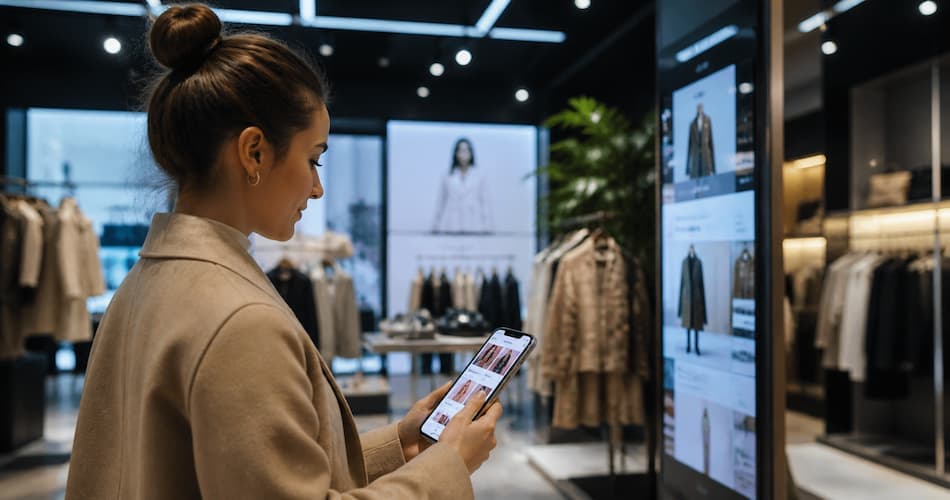
At the World Retail Congress 2026 in Berlin, one message stood out above all: e-shopping is no longer driven by intent, it is driven by influence. The industry is shifting away from search-led transactions toward a model built on content, creators, and continuous discovery.
For decades, e-commerce was defined by a simple journey, consumers searched for a product, compared options, and completed a purchase. That model is now being rapidly replaced. Platforms such as TikTok are reshaping the path to purchase, turning passive scrolling into active buying, and transforming entertainment into commerce.
From Search to Discovery
The rise of TikTok Shop signals a structural change in how products are found and sold. Consumers are no longer entering platforms with a fixed intention to buy; instead, they are discovering products through content, often without prior demand. In this environment, creators function as storefronts, and algorithms act as the new shop windows.
Traditional players are already feeling the impact. Companies like QVC, once synonymous with television retail, are now finding new audiences through TikTok, reporting significant customer acquisition driven by short-form video and live commerce formats. The shift is not incremental, it is foundational.
E-Shopping Becomes Content-Led Commerce
What is emerging is a new form of e-shopping where content is not a layer on top of commerce, it is the core of it. The entire funnel, from awareness to conversion, is collapsing into a single experience.
Consumers watch, engage, and purchase within the same interface. The boundaries between media, marketing, and retail are dissolving, creating a unified environment where inspiration directly leads to transaction. In this model, the speed of decision-making increases, and the role of brand storytelling becomes more critical than ever.
AI Enables Scale, But Not Differentiation
Artificial intelligence is accelerating this transition, particularly in areas such as content generation, personalization, and inventory optimization. Retailers are increasingly able to produce visuals, tailor recommendations, and respond to demand in real time.
Yet, the tone in Berlin was measured. AI may enhance efficiency, but it does not replace creativity or human connection. The brands that stand out will not be those that automate the most, but those that combine technology with compelling narratives.
Retail Repositions Around Experience
While e-shopping evolves, physical retail is undergoing its own transformation. Stores are no longer expected to compete with digital channels on convenience or price. Instead, they are being repositioned as spaces for experience, community, and brand immersion.
Retailers are investing in environments that encourage interaction, spaces where consumers can spend time, connect with others, and engage with products beyond the transactional moment. The store, in this context, becomes a complement to digital discovery rather than a competitor.
A New Retail Equation
The discussions in Berlin point to a broader redefinition of the industry. Retail is no longer a channel-based system divided between online and offline. It is becoming an integrated ecosystem shaped by content, technology, and human engagement.
The future of e-shopping will not be won through logistics alone, nor through platforms alone. It will belong to those who understand how to capture attention, build relevance, and convert inspiration into action, often within seconds.
In that sense, the evolution of retail is not just about where consumers shop, but how and why they decide to buy at all.
Read more on
About the author
Leila Gadirli Pirgulieva
253 stories on WORLDEF since March 2026.
More from Leila Gadirli Pirgulieva →Related
Bombay High Court Orders Amazon to Hand Over Expired Goods for Disposal
Saudi Arabia’s Q1 Consumer Spending Growth Boosts Retail Real Estate Demand

UK Online Retail Market Reaches Highest Share Since 2021

Saudi Retail Revenues Rise 7.3% in Q1 as E-Commerce Growth Accelerates
The week in commerce, before your competitors.
1,458 stories since January 2025, distilled into three newsletters. Pick the ones you want.