
Number of Counterfeit Products Seized in the EU Hits Record 196 Million
The European Union detained a record 196 million suspected counterfeit products in 2025, up 67% from the previous year, with an estimated value of €6.3 billion. E-commerce shipments featured prominently in customs inspections, while EU authorities outlined…
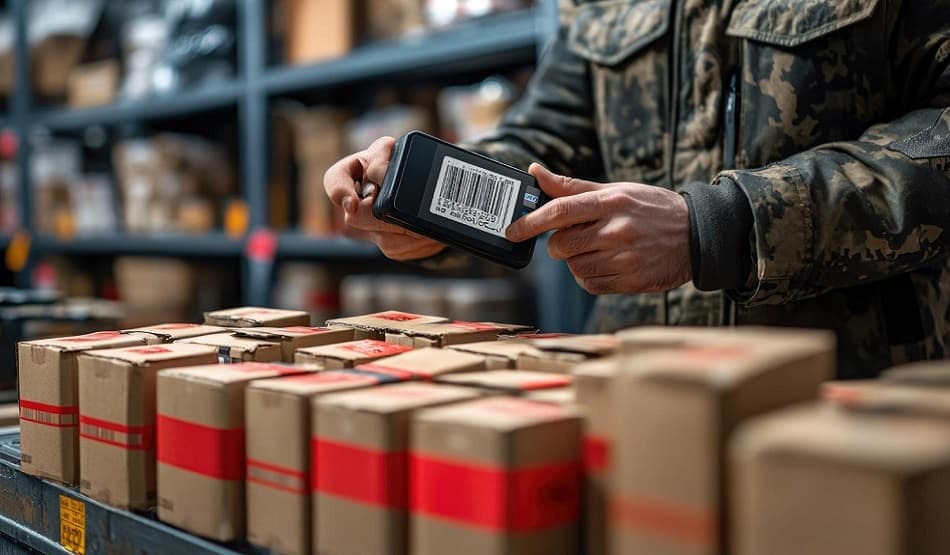
The number of counterfeit products detained in the European Union (EU) on suspicion of infringing intellectual property rights increased by 67% in 2025 compared with the previous year, exceeding 196 million. According to a joint report by the European Commission and the European Union Intellectual Property Office (EUIPO), the estimated value of these products reached €6.3 billion. E-commerce shipments accounted for a significant share of cases detected by customs authorities.
Number of Counterfeit Products in the EU Increased by 67% in One Year
A report published by the European Commission and EUIPO on October 22, 2026, revealed that the number of products detained during inspections at EU borders and within the single market reached its highest level on record in 2025.
According to the report, the number of counterfeit products increased from approximately 112 million in 2024 to more than 196 million in 2025. This figure was also 29% higher than the previous record set in 2023. The estimated value of the detained products rose from €3.8 billion in 2024 to €6.3 billion.
EU customs authorities detained approximately 42 million products at external borders, with their estimated value approaching €2 billion. The number of products detained by customs authorities more than doubled compared with the previous year.
Toys and Digital Content Products Ranked Among the Leading Categories
According to data released by the EU, CDs and DVDs accounted for 29.3% of detained products, followed by toys at 19.65% and labels and stickers at 12.82%. Cigarettes represented 6.19%, games 3.88%, and clothing products 2.62%.
The CD and DVD category includes film and music recordings, as well as content such as software and computer games. The report indicates that counterfeit trade is not limited to physical goods and that copyright infringements also occur in products associated with digital content.
According to customs data, trademarks were the most frequently infringed type of intellectual property right, followed by design rights.
E-Commerce Shipments Featured Prominently in Customs Inspections
In 2025, EU customs authorities detained 45,094 express courier shipments and 26,453 postal shipments. The European Commission stated that increasing e-commerce volumes, fragmented supply chains, and different transportation methods have made detecting counterfeit products more difficult.
Road transport surpassed maritime transport for the first time in terms of the number of products detained, while maritime transport maintained its leading position in terms of estimated monetary value. China, Hong Kong, and Türkiye were among the leading sources of shipments containing products detained at EU borders.
EU Plans to Increase the Use of Artificial Intelligence in Customs Inspections
The European Commission announced that the customs reform adopted to combat counterfeit trade aims to strengthen inspection capabilities. The reform provides for the establishment of the European Union Customs Authority and the development of the AI-powered EU Customs Data Hub. The system is intended to enable real-time monitoring of supply chains and faster identification of high-risk shipments.
The Commission states that counterfeit trade poses risks to consumer safety, fair competition, and intellectual property rights. The reported figures cover suspected products subject to inspections in the EU in 2025; they do not represent the total volume of illicit trade in the market or all confirmed intellectual property rights infringements.
Read more on
About the author
WORLDEF Editors
929 stories on WORLDEF since January 2025.
More from WORLDEF Editors →Related
Dubai CommerCity to Support Companies Entering the Chinese Market via Hong Kong

Putin Says Russia Failed to Anticipate Ukrainian Attacks on Wildberries and Ozon Warehouses

Dubai CommerCity Expands Its E-Commerce Infrastructure with an AED 1.8 Billion Investment

Senior Executive Appointment at Aras Kargo: Ramazan Altınay Becomes General Manager and Chairman of the Board of Aras Global

The week in commerce, before your competitors.
1,473 stories since January 2025, distilled into three newsletters. Pick the ones you want.