
WORLDEF Prime Antalya 2026 — Super Early Bird Discounts

Register Now

Genetic AI Revolutionizes Online Checkout: A 2025 Shift in Internet Shopping

As of 2025, Genetic Artificial Intelligence (Gen AI) technology is dramatically transforming the online shopping experience, particularly in the payment process. This seismic shift is bringing significant changes for both consumers and retailers alike.

The Role of Gen AI in Payment Processes

Gen AI analyzes user shopping habits and preferences, making the payment process faster and more personalized. The technology streamlines tasks such as automatically filling shopping carts, managing payment information securely, and speeding up transaction approvals. As a result, the shopping experience becomes more seamless and efficient.

Moreover, with the integration of Gen AI, fraud detection and prevention during payment processes are becoming more effective. By analyzing shopping behaviors, AI can detect suspicious transactions, enhancing security.

Retailers are using Gen AI to enhance the customer experience, improving inventory management, pricing strategies, and customer service. This, in turn, leads to more efficient operations and higher customer satisfaction.

The integration of Gen AI into the checkout process is shaping the future of online shopping. Consumers benefit from a faster, more secure, and personalized shopping experience, while retailers gain a competitive advantage. These advancements are seen as a key step in the evolution of digital commerce.

Countries Most Obsessed with Online Shopping: 2025

Online shopping has become a rapidly growing sector worldwide in 2025. According to data from CEOWORLD magazine, the countries with the highest online shopping spending are leading the global trend of digital commerce. In 2025, online shopping will continue to be a significant part of retail sales growth.

Countries with the Highest Online Shopping Spending

The United States holds the largest share of online shopping, accounting for 47.54% of its retail spending on digital platforms. This figure highlights how large e-commerce has become as a sector. China follows closely with 45.72%, benefiting from its vast population and digital infrastructure that contribute to the growth of online shopping. Japan ranks third with 40.11%, while other Asian countries also contribute significantly to the online shopping market.

India, Hong Kong, and South Korea are also noteworthy for their strong online shopping participation. These countries have seen substantial growth in e-commerce, driven by technological advancements and increasing internet usage. In India, the growing interest of the younger population in digital shopping plays a major role in the expansion of e-commerce.

Globally, online shopping has evolved from just a shopping method into a lifestyle. With the impact of digitalization, these countries are shaping the future of commerce and making online shopping culture even more widespread. This trend suggests that emerging markets, including developing countries, will also have a growing share in online shopping in the future.

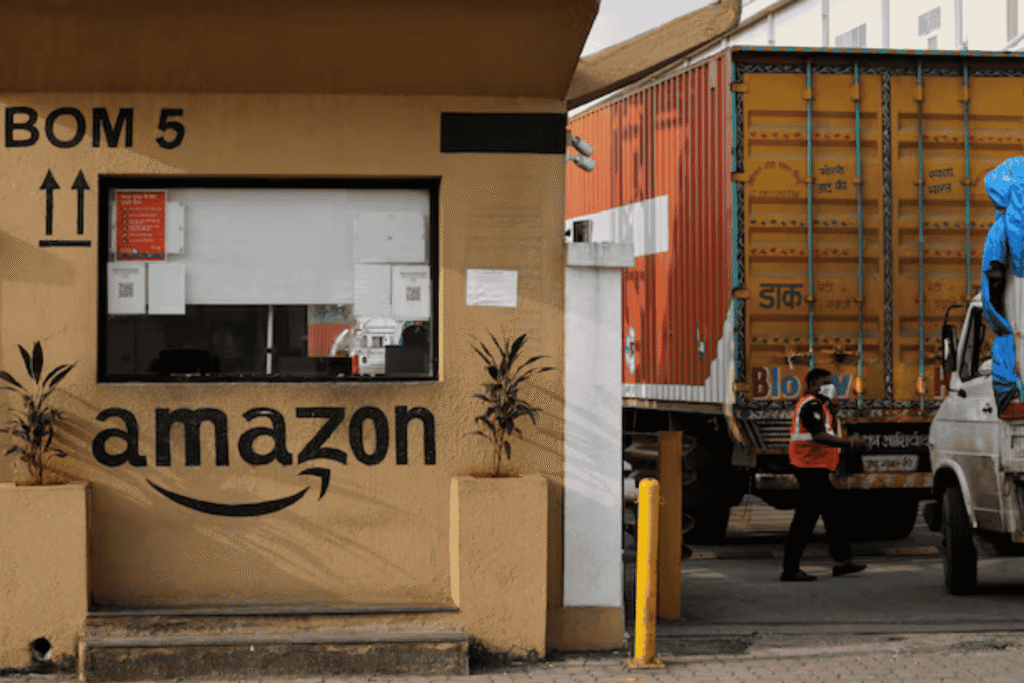
Amazon’s Exit from Google Shopping Ads Triggers Major Shift in MENA Digital Advertising

In a surprising move, Amazon recently pulled out of Google Shopping Ads across several key global markets, leading to ripple effects in the MENA region’s retail media and e-commerce ecosystems. The abrupt withdrawal, which took place almost overnight, has caused a significant reshuffling in ad auctions, cost dynamics, and brand strategies across digital platforms.

Previously holding a dominant share of Google Shopping impressions, Amazon’s sudden disappearance has left a vacuum that many regional brands are now racing to fill. This shift is more than a temporary disruption—it signals a possible long-term strategic realignment by one of the world’s largest e-commerce players. While Amazon has yet to release an official statement, industry experts speculate the move may be aimed at driving more product discovery within its own ecosystem, bypassing third-party platforms entirely.


Opportunities Emerge as CPC Drops and Impressions Shift in MENA Market

With Amazon out of the auction landscape, cost-per-click (CPC) rates have noticeably dropped—some estimates suggest decreases of 20% to 40% in certain categories. As a result, other retailers are seeing increased visibility and higher impression shares without significantly raising their ad spend. This presents a rare opportunity for both regional giants and agile local brands to gain market presence at a lower cost.

Many marketers in the MENA region view this as a turning point. The exit has encouraged brands to rethink their paid media strategies, diversify their acquisition channels, and invest more in first-party data. It also highlights a broader trend in digital commerce: the growing tension between platform dependency and brand autonomy.

In a region where consumers are increasingly beginning their shopping journeys directly on retailer platforms rather than search engines, Amazon’s strategy might be ahead of the curve. Whether this signals a wider move away from Google’s advertising infrastructure remains to be seen—but one thing is clear: the digital advertising landscape in MENA is entering a new, unpredictable phase.

E-Commerce App Installs Decline While Sessions Rise: Mobile Shopping Faces a Challenging Phase

The first half of 2025 has presented a mixed picture for the global e-commerce sector on mobile platforms. According to Adjust’s “Shopping App Insights Report: 2025 Edition,” e-commerce app installs dropped by 14% globally compared to the previous year, while user sessions rose by 2%. These contrasting figures suggest that acquiring new users is becoming increasingly difficult, yet engagement among existing users continues to grow.

The report predicts that global e-commerce spending will reach $6.42 trillion by the end of 2025, with around $2.5 trillion of that expected to come from mobile commerce. Despite this significant potential, the decline in app installs indicates that the industry is struggling to fully capitalize on mobile growth. For e-commerce brands, this underscores the importance of improving user retention and creating long-term engagement.


LATAM and APAC Show Strong Growth, While North America and Europe Decline

Looking at regional trends, Latin America (LATAM) stands out as a rising star in mobile e-commerce. App installs in LATAM increased by 18%, while user sessions surged by an impressive 27%. This growth highlights the region’s rapid digital adoption and untapped market potential.

The Asia-Pacific (APAC) region also recorded steady growth, with installs up by 13% and sessions increasing by 2%. In contrast, mature markets like North America and Europe faced declines. In North America, app installs dropped by 15% and sessions by 5%, while Europe and the MENA region saw similar downward trends.

These findings suggest that e-commerce businesses must reassess their regional strategies and focus more on high-growth markets to remain competitive in the evolving digital landscape.

Shein and Temu Rapidly Gain Ground in South Africa’s Fashion Market

Chinese e-commerce giants Shein and Temu are experiencing remarkable growth in South Africa’s fashion sector. Together, these platforms reached total sales of 7.3 billion rand (approximately $405 million) in 2024, capturing 3.6% of the market and strengthening their strong presence in the region.

Rising E-Commerce in South Africa

Shein entered the South African market in 2020, followed by Temu in 2024, and both have grown rapidly since. Their aggressive pricing strategies and effective marketing efforts have allowed them to surpass traditional local and international retailers. This shift caused local retailers’ market share to decrease from 75.3% in 2011 to 74% in 2024.

Shein holds a significant 28% share in the online women’s apparel segment and dominates 37.1% of the overall e-commerce fashion market. Meanwhile, international brands such as H&M, Zara, and Cotton On maintain a combined market share of only 3.4%.

The rapid growth is driven by strong consumer appeal through competitive pricing and fast delivery services. However, after the South African government ended the “de minimis” tax exemption last year, these companies faced partial reductions in cost advantages. Local retailers have reported resulting price increases and a rise in customer complaints.

In conclusion, the rise of Shein and Temu in South Africa is reshaping the local retail market, underscoring the growing importance of digital transformation and innovative business models.

Shopify Forecasts Quarterly Revenue Above Estimates Amid Strong Demand

Canada-based e-commerce platform Shopify has announced quarterly revenue guidance that exceeds market expectations for the third quarter. Despite ongoing trade policy uncertainties in the U.S., the company continues to grow, driven by robust demand from merchants and AI-powered platform enhancements.

AI Innovations Drive Shopify’s Growth

Shopify forecasts revenue growth in the mid-to-high 20% range year-over-year for the July-September period, surpassing analysts’ average estimate of 21.54%. In its second-quarter earnings, the company reported a 31% annual revenue increase to $2.68 billion, beating the market’s $2.55 billion consensus. Gross Merchandise Volume (GMV) also rose significantly to $87.84 billion compared to the same period last year.

The company continues to attract new sellers by providing AI-powered tools that simplify store setup, product promotion, and sales data analysis. Shopify noted that the end of the U.S. “de minimis” exemption on low-cost imports from China would impact only about 1% of its overall business, with minimal effect on total transaction volumes.

These strong financial results reaffirm Shopify’s leading position in the e-commerce sector and its growth potential. The company’s innovative solutions powered by artificial intelligence help merchants optimize operations and maintain competitive advantages in a rapidly evolving market.

Pinduoduo Accelerates AI Talent Recruitment to Drive E-Commerce Innovation

Chinese e-commerce giant Pinduoduo has significantly ramped up its recruitment of artificial intelligence (AI) talent. The company is actively hiring experts in large language models (LLMs), multimodal algorithms, and infrastructure engineering roles. This move reflects Pinduoduo’s strategic shift from a price-competition-focused business model toward becoming a technology leader in the e-commerce sector.

Pinduoduo’s AI Hiring Signals a New Era in E-Commerce

Recent job postings reveal key positions such as Large Model Infrastructure Architect, Multimodal Algorithm Engineer, and Algorithm Engineer. These roles are designed to build AI infrastructure within e-commerce operations, leveraging AI for multimodal tasks such as product recognition and descriptions. To accelerate development, the company applies a competitive “horse-racing” style management approach, fostering rapid innovation internally.

Pinduoduo aims to enhance AI applications across recommendation systems, search optimization, advertising targeting, and customer service. The company is strengthening its R&D teams by attracting specialists from established tech firms, offering salaries that often surpass previous employers.

This strategy not only supports traditional e-commerce functions but also strives to make the platform smarter and more efficient. Through AI-driven improvements, Pinduoduo expects to reduce costs, improve user experience, and speed up transaction processing.

As major firms increase investments in AI, Pinduoduo’s initiative marks a clear push to compete technologically with rivals like Alibaba and JD.com. Amid a soaring demand for AI talent in China, companies like Pinduoduo are aiming to revolutionize both domestic and cross-border markets (including platforms like Temu) with intelligent e-commerce solutions.

In conclusion, Pinduoduo’s rapid and comprehensive expansion of AI hiring signals the dawn of a new era in e-commerce. Competition is no longer just about price but increasingly shaped by technological capabilities. With this approach, Pinduoduo aspires to become a strong tech leader both in China’s domestic market and global cross-border operations.

Shein and Temu Disrupt South Africa’s Fashion Industry

Chinese fast fashion giants Shein and Temu are rapidly reshaping the landscape of South Africa’s fashion retail sector. With ultra-low prices and an efficient delivery model, these platforms have quickly captured the attention of consumers—especially younger generations—while placing intense pressure on local manufacturers and traditional retailers.

By 2024, the two platforms had claimed an estimated 3.5% share of the country’s fashion, textiles, footwear, and leather market. Their sharp rise in popularity has challenged long-established customer loyalty toward local and physical brands, turning the tide of the retail environment in a matter of just a few years.

E-Commerce Growth Threatens Local Fashion Jobs

Shein and Temu’s aggressive pricing strategies have created a market where local brands struggle to remain competitive. The low cost of imported products has pushed many small businesses to cut staff, reduce production, or in some cases, shut down entirely. Thousands of retail jobs are believed to have already been lost in 2024 alone, with projections suggesting that tens of thousands more could disappear by 2030 if current trends continue.

At the same time, consumer behavior is evolving. Younger shoppers, in particular, are increasingly choosing online platforms where they can order the latest trends in just a few clicks, bypassing traditional malls and local boutiques altogether. This shift has significantly reduced foot traffic in brick-and-mortar stores.

Some domestic e-commerce platforms have attempted to push back by building distribution networks tailored to rural areas and underserved communities. While these efforts show promise, they remain limited in scope compared to the massive product selection and low prices offered by international players.

The rapid rise of Shein and Temu in South Africa is no longer just a commercial issue—it has become a socio-economic challenge. Local retailers, policymakers, and industry stakeholders will need to reevaluate their strategies if they hope to maintain relevance in an increasingly global and price-driven fashion market.

Ahold Delhaize Achieves Profitability in E-Commerce

International retail giant Ahold Delhaize has reached a major milestone in its digital transformation journey by announcing that its e-commerce operations have become profitable for the first time. This development signals that the company’s online business is now generating not only revenue but also net income.

Automation and Delivery Models Drive E-Commerce Efficiency

With a strong presence in both European and North American markets, Ahold Delhaize has begun to reap the benefits of its strategic investments in digital infrastructure. The company has successfully reduced operational costs while improving customer satisfaction through innovative order fulfillment and delivery solutions. In the U.S., the adoption of a “store-first fulfillment model” has significantly enhanced logistical efficiency. Meanwhile, in Europe, advanced automation systems have helped optimize labor and distribution expenses.

While e-commerce saw a major boom in the wake of the pandemic, turning that growth into profitability has been a challenge for many retailers. Ahold Delhaize has managed to overcome this hurdle by modernizing its delivery systems and improving the online customer experience. The company also reports an increase in the number of users on its online platforms and a higher average basket size, both of which have contributed to steady growth in digital revenues.

Financial data reveals double-digit growth in e-commerce sales and a positive shift in operational profitability. This indicates that Ahold Delhaize is approaching its digital strategy not just with a growth mindset, but with a strong focus on sustainable profitability.

This achievement reinforces the company’s confidence in its future digital investments and clearly demonstrates that e-commerce is no longer just a complementary channel, but a viable and profitable business model in its own right.

Wuilt Secures $2 Million to Scale Free Website Builder Across MENA

Egypt-based SaaS startup Wuilt has raised $2 million to expand its free website and e-commerce store builder across the Middle East and North Africa (MENA) region. This fresh round of funding reflects investor confidence in Wuilt’s mission to drive digital transformation among small businesses and independent sellers.

Founded in 2019 by Ahmed Rostom and Mahmoud Metwaly, Wuilt enables users to create professional-looking websites without any coding experience. In April 2025, the platform eliminated all subscription fees in Egypt, removing financial barriers and onboarding a surge of small businesses seeking digital presence.


Unlocking Digital Growth in MENA: Why Wuilt’s Model Stands Out

By moving away from the traditional subscription model, Wuilt now generates revenue through value-added services. These include logistics integration via “Wuilt Shipments,” digital payments through “Wuilt Pay,” and financial management tools like “Wuilt Wallet.” This full-stack approach allows small businesses to manage their digital operations affordably and efficiently.

A portion of the new investment will support the rollout of Wuilt’s platform in the United Arab Emirates by Q4 2025, followed by expansion into GCC markets and Turkey in early 2026. The company sees these regions as high-potential digital economies with underserved small-business segments.

Wuilt is also working on AI-powered tools to help sellers optimize inventory, customer interactions, and growth strategies. This makes the platform more than just a website builder—it’s evolving into a smart business infrastructure.

By eliminating financial friction and delivering a localized, tech-forward solution, Wuilt positions itself as a catalyst for regional digital transformation. Its model is particularly attractive to “social sellers”—entrepreneurs selling through social media—who need fast, accessible, and scalable tools.

Wuilt’s strategic expansion, starting with the UAE, signals a major leap toward empowering small businesses across MENA. As digital commerce continues to accelerate, platforms like Wuilt could play a crucial role in shaping the next generation of online entrepreneurship.