
India to Integrate Amazon and Flipkart Data into Updated Inflation Index
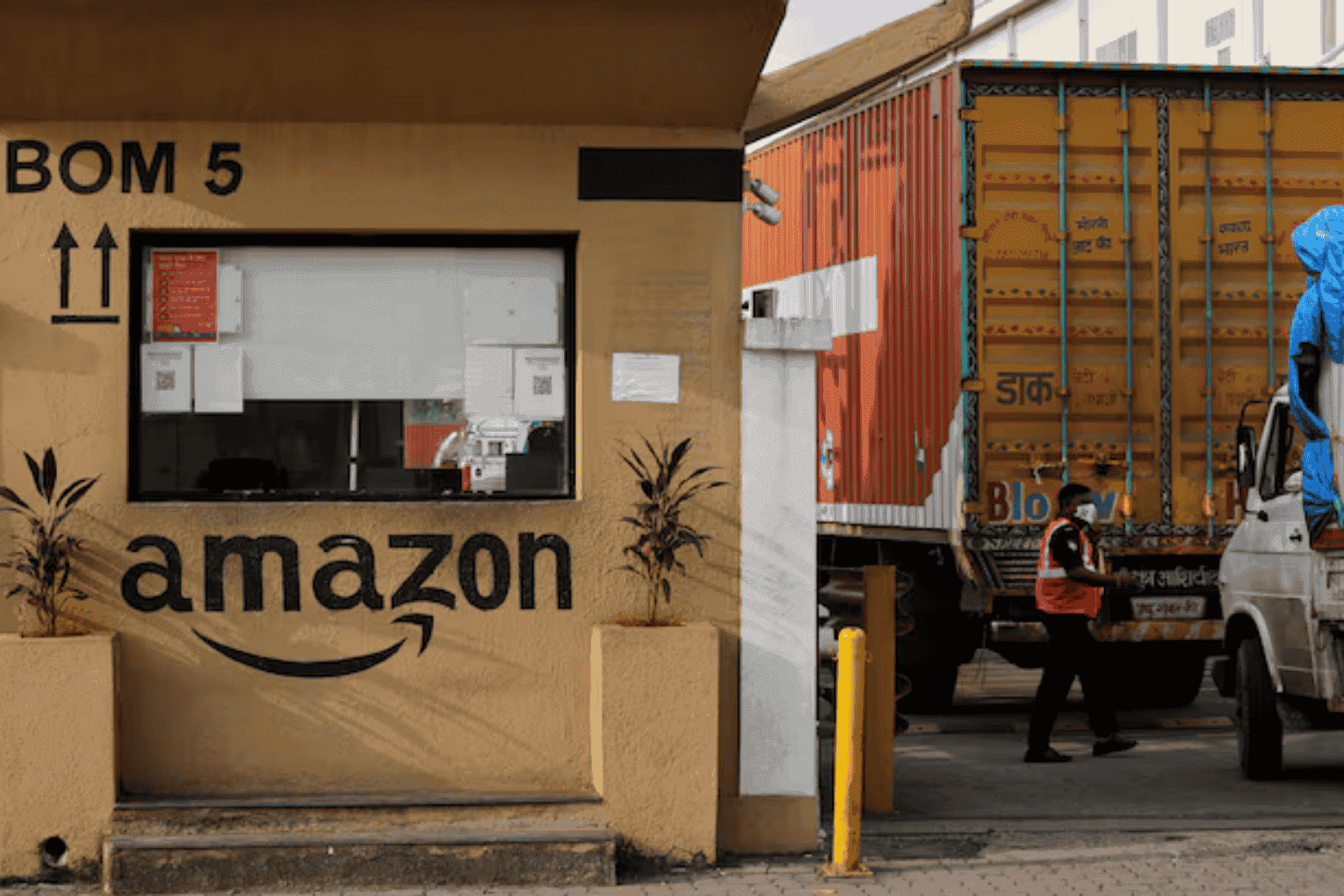
India’s government is undertaking a major overhaul of how it calculates consumer inflation, with plans to directly source real-time data from top e-commerce platforms such as Amazon and Flipkart. This initiative reflects a broader shift in consumer behavior and aims to better capture the digital economy’s impact on household spending patterns (Reuters).
The Ministry of Statistics and Programme Implementation has already started collecting online price data from 12 of India’s largest cities, each with populations over 2.5 million. These urban hubs represent key markets for online retail, and collecting accurate pricing data from them is expected to improve the Consumer Price Index (CPI)’s ability to reflect real-world inflation trends.
Officials are also in advanced talks with Amazon and Flipkart to receive weekly average product pricing data. This would mark a significant shift from India’s traditional CPI methodology, which relies heavily on manual price collection from physical stores. By incorporating online prices into the index, the government hopes to modernize a system that critics say underrepresents how people actually shop today.
The reform comes as digital shopping habits continue to rise. India recorded approximately 270 million online shoppers in 2024, and this number is expected to grow at a compound annual rate of 22% over the next several years. Much of this growth is attributed to rising smartphone usage, faster internet access, and the expansion of e-commerce platforms into smaller cities and rural regions.
As more Indian households shift their spending online, not just for electronics or fashion, but also for groceries, personal care, and services like travel bookings, the existing CPI structure, which was last updated in 2012, has become outdated. Categories such as streaming subscriptions, diagnostics, and digital payments have grown significantly but remain underrepresented in current inflation tracking.
In response, the government plans to introduce a revised CPI basket early next year. This version will feature adjusted weightings that account for digital consumption patterns and may also include services that were previously excluded. At the same time, India is preparing to roll out a new GDP series with a 2022 to 23 base year. The update will also include a doubling of the sample size for monthly labor force surveys, offering more precise employment data (Reuters).
Another major addition is the introduction of a quarterly Index of Services Production (ISP), expected to launch by mid-2026. This would give policymakers better visibility into the services sector, which contributes over 50% of India’s GDP. Currently, the lack of a dedicated services index creates challenges in accurately assessing the economy’s performance.
There is also ongoing discussion about creating a dedicated e-commerce inflation index. This would separately track price trends in online marketplaces and allow for more granular insight into how digital platforms influence inflation dynamics. According to a report by the Financial Express, this new index could be launched alongside the CPI update, although it would depend on establishing consistent data-sharing frameworks with online retailers.
While the incorporation of e-commerce data has been welcomed by economists, there are concerns around accuracy, data privacy, and methodology. Officials say they will validate platform-provided data with independent checks and ensure that data collection meets transparency and reliability standards.
The broader goal is to align India’s statistical reporting with global best practices. Countries like the United States and South Korea have already incorporated online and scanner-based pricing into their inflation measurements. These changes enable governments to react more swiftly to price shocks, improve fiscal planning, and better protect consumer purchasing power.
By modernizing the CPI and other key indicators, India aims to provide a clearer, more timely picture of economic conditions. This is increasingly important at a time when inflation, employment, and digital consumption are all evolving rapidly.
In summary, the inclusion of Amazon and Flipkart data in India’s inflation tracking system represents a critical step in aligning policy with real-world consumption trends. With additional reforms like a new GDP base year, expanded labor data, and an upcoming services index, the country is positioning itself for more responsive, data-driven governance in a digital economy.
Read more on
About the author
WORLDEF Editors
921 stories on WORLDEF since January 2025.
More from WORLDEF Editors →Related
Google Launches “Universal Cart” Feature That Combines Shopping from Different Stores into a Single Cart
Dubai’s Population and Consumer Spending Exceed Pre-Crisis Levels
Dubai CommerCity and Tencent Cloud Partner to Drive Digital Transformation in E-Commerce

Syria Resumes Postal Services: Cooperation with Türkiye on E-Commerce on the Agenda

The week in commerce, before your competitors.
1,458 stories since January 2025, distilled into three newsletters. Pick the ones you want.