
Amazon Expands Same-Day Grocery Delivery to 2,300 Cities by Year-End
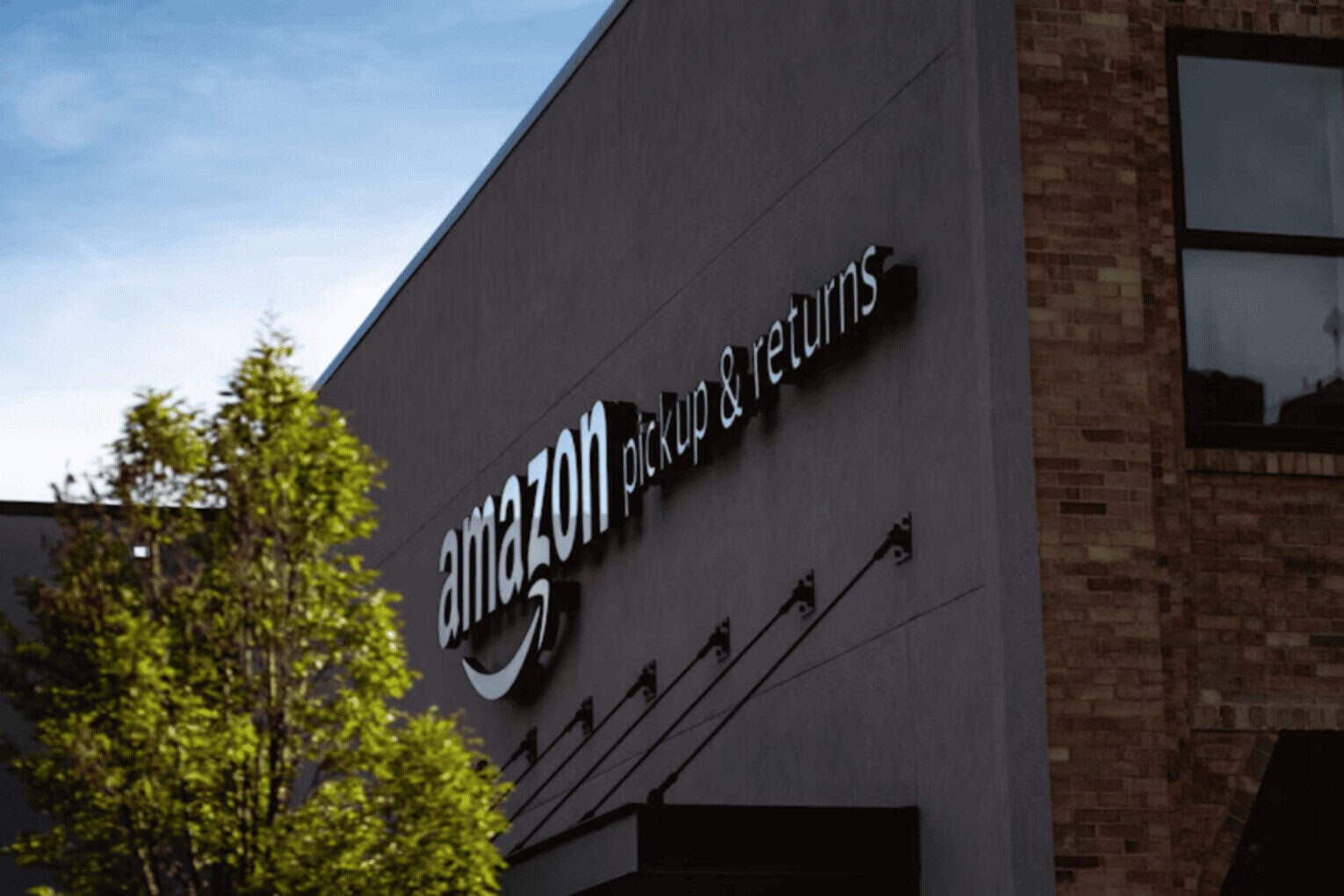
Amazon has announced a major expansion of its grocery delivery services, planning to offer same-day delivery of perishable items in over 2,300 U.S. cities and towns by the end of 2025. This strategic move positions Amazon as a formidable competitor to traditional grocery giants such as Walmart and digital platforms like Instacart, signaling a significant shift in the online grocery market (Investors.com).
Expansion Strategy and Service Details
Under the new program, Amazon Prime members will be able to access free same-day delivery for grocery orders exceeding $25. Non-Prime customers will be charged a $12.99 delivery fee. Amazon is integrating this service into its existing logistics and fulfillment network, which already supports its retail and e-commerce operations nationwide (The Sun).
The expansion reflects Amazon’s long-term goal of turning its grocery platform into a core component of daily consumer shopping. By combining groceries with other retail items, Amazon aims to provide a seamless, one-stop shopping experience, increasing convenience for millions of households and strengthening customer loyalty. This approach also enables Amazon to gather more consumer data, optimize inventory management, and refine predictive analytics for future demand (Business Wire).
Market Reactions and Stock Impact
The announcement had an immediate impact on financial markets. Amazon’s stock price rose by approximately 2.9 percent, reaching $230.98, reflecting investor optimism about the company’s expansion into the online grocery sector. In contrast, shares of competitors such as Instacart’s parent company Maplebear, DoorDash, Uber Technologies, and Walmart experienced declines, with Instacart falling more than 13 percent (Investors.com).
The market response demonstrates investor confidence in Amazon’s ability to leverage its massive distribution infrastructure and advanced data analytics to disrupt the grocery industry, which has long been dominated by established retail chains. Many analysts believe this aggressive push could potentially reshape the competitive landscape, prompting traditional grocers to accelerate their own digital transformation strategies.
Analysts’ Perspectives
Industry analysts emphasize that the U.S. grocery market remains the largest segment of offline consumer spending, estimated at $1.5 trillion annually. Morgan Stanley analyst Brian Nowak noted that Amazon’s logistics capabilities and data-driven operational model give it a significant advantage over competitors, enabling the company to capture market share more effectively (Investors.com).
Analysts also highlight that integrating groceries with Amazon’s existing retail ecosystem can drive more frequent shopping trips, rein force prime membership value, and position the company as the leading digital-first grocery provider. With features such as personalized recommendations, smart delivery scheduling, and integration with Alexa-enabled devices, Amazon is leveraging technology to enhance customer engagement and retention (The Week).
Operational Challenges
Despite the promising outlook, Amazon faces operational challenges in expanding grocery services. Delivering perishable goods requires maintaining quality and freshness during transit, as well as precise inventory management. Cold-chain logistics, timely delivery, and real-time tracking are essential for ensuring customer satisfaction. Amazon’s limited physical store presence compared to Walmart could pose a barrier to scaling operations efficiently across all regions (CBS News).
Additionally, regulatory compliance and regional market variations may affect the rollout speed. Analysts caution that while Amazon’s expansion is ambitious, execution will determine whether the initiative can achieve long-term sustainability and profitability.
Consumer Trends and Strategic Implications
Consumer behavior is shifting toward convenience driven grocery shopping, particularly among younger generations who prioritize speed, reliability, and digital accessibility. Amazon’s same-day delivery initiative addresses these trends directly, making it easier for busy households to order fresh produce, dairy, and other perishables without visiting physical stores.
The move also strengthens Amazon’s ecosystem by driving Prime memberships, encouraging repeat purchases, and creating opportunities for cross-selling other Amazon services, such as streaming or household products. Industry experts suggest that successful execution of this program could pressure competitors like Walmart, Kroger, and Instacart to enhance their own delivery networks, fueling a wave of innovation in the grocery sector (Business Wire).
Future Outlook
Amazon’s move underscores the intensifying competition in the online grocery market. Convenience, speed, and reliability are becoming key differentiators, and Amazon is positioning itself as a major player in this evolving landscape. By integrating same-day delivery, AI-powered logistics, and a wide variety of product offerings, the company aims to reshape consumer expectations for online grocery shopping.
The coming months will be critical in determining whether Amazon can successfully scale this service, challenge the dominance of competitors like Walmart and Instacart, and redefine grocery shopping in the United States. If successful, Amazon’s same-day grocery expansion could become a benchmark for digital-first retail innovation, influencing strategies of other e-commerce giants in the food sector (Investors.com).
Read more on
About the author
WORLDEF Editors
921 stories on WORLDEF since January 2025.
More from WORLDEF Editors →Related
Google Launches “Universal Cart” Feature That Combines Shopping from Different Stores into a Single Cart
Dubai’s Population and Consumer Spending Exceed Pre-Crisis Levels
Dubai CommerCity and Tencent Cloud Partner to Drive Digital Transformation in E-Commerce

Syria Resumes Postal Services: Cooperation with Türkiye on E-Commerce on the Agenda
The week in commerce, before your competitors.
1,458 stories since January 2025, distilled into three newsletters. Pick the ones you want.