WORLDEF Prime Antalya 2026 - Upcoming Event

Register Now

EAEU Council Approves Draft Agreement to Standardize E-Commerce Rules and Customs Limits

The Eurasian Economic Union (EAEU) has taken another significant step toward establishing unified rules for digital trade. The Council of the Eurasian Economic Commission (EEC) has approved a draft agreement that outlines regulations for e-commerce and updated customs thresholds.

Daniyar Amangeldiev, First Deputy Chairman of the Cabinet of Ministers of the Kyrgyz Republic, participated in the EEC Council meeting via videoconference. During the session, the Council approved the draft Agreement on Electronic Commerce within the EAEU.

The approved draft aims to create a unified regulatory framework for e-commerce activities across all EAEU member states. The document introduces harmonized approaches to consumer protection, taxation, customs controls, and the movement of goods purchased online. Officials highlight that this step will provide a clearer and more predictable environment for both consumers and sellers.

Establishing Common and Transparent Rules for E-Commerce in the EAEU Internal Market

The agreement aims to facilitate mutual e-commerce within the EAEU, protect the rights and legitimate interests of participants, and define rules of interaction between them. The EEC Council established value thresholds allowing individuals to import e-commerce goods into the EAEU customs territory duty-free up to 200 euros.

The Council also set a unified customs duty rate for electronic goods purchased by individuals 5% of the item’s value, but not less than 1 euro per kilogram, excluding certain specific product categories. Additionally, the Council decided to introduce mandatory labeling for certain food products, perfumes and cosmetics, personal hygiene items, and household chemicals. Member states will independently determine the implementation date and specific procedures for labeling products subject to identification marking.

“Kyrgyzstan Played an Active Role in This Process”

Amangeldiev noted that the draft agreement represents significant progress in harmonizing the union’s digital trade ecosystem and will strengthen cooperation among member states. He emphasized that Kyrgyzstan played an active role in the process and that unified digital trade rules are essential for enhancing economic integration and improving the business environment.

Harmonizing Customs Exemption Thresholds for Cross-Border E-Commerce

One of the key elements of the draft agreement is the unification of customs exemption limits applied to cross-border e-commerce purchases. Currently, these thresholds differ from country to country, resulting in inconsistent processing of online imports. The new framework aims to simplify and standardize the handling of low-value shipments. The EEC Council stated that the proposed limits will strengthen oversight while maintaining convenient access to online purchases for consumers.

Supporting Long-Term Growth of E-Commerce

The draft agreement will now undergo further refinement by member states before it is submitted for final approval and signing. Officials note that the regulation aims to support the long-term growth of e-commerce and establish a more predictable regulatory environment across the region. Once adopted, the agreement is expected to streamline e-commerce processes, improve customs efficiency, and strengthen digital trade cooperation among EAEU member states.

Kyrgyzstan to Launch E-Commerce Park Supporting SMEs & Digital Infrastructure
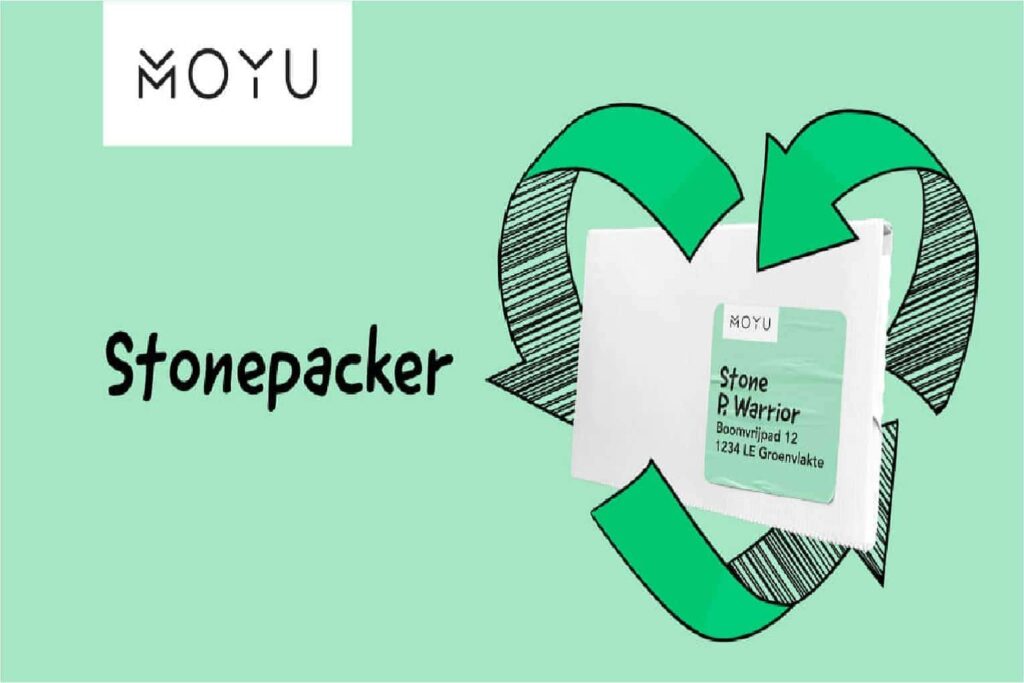
Moyu Introduces Stonepacker: A Reusable Stone Paper Box Designed for 25 Cycles

The Netherlands-based sustainable stationery brand Moyu is bringing its environmental mission into the packaging sector with Stonepacker, a reusable shipping box made from stone paper. Designed to withstand approximately 25 reuse cycles and fully recyclable at the end of its lifespan, Stonepacker aims to reduce the e-commerce industry’s heavy reliance on single-use cardboard.

The new packaging solution is integrated with Boxo’s national return network, which allows users to drop off empty boxes at designated points across the Netherlands. Once the box is returned, consumers automatically receive a €3.95 deposit refund, encouraging continuous circular reuse. After each use cycle, the boxes are inspected, cleaned, and prepared for redistribution. Once they reach around 25 uses, they are recycled into new stone paper boxes.

Stonepacker: A Strong Alternative to Single-Use Cardboard

While discussions around packaging waste often focus on plastic, Moyu emphasizes that single-use cardboard also contributes significantly to deforestation, water consumption, and CO₂ emissions. In contrast, Stonepacker uses no trees, water, or bleaching chemicals during production. The company states that producing stone paper generates 94% less CO₂ compared to traditional paper.

Stone paper is made from limestone residues generated during mining operations. These residues are processed into calcium carbonate powder and combined with recycled high-density polyethylene (HDPE) to create a durable, water-resistant material—making it well-suited for reusable logistics applications.

Strong Interest from Retailers and E-Commerce Companies

Moyu founder Roel Schatorjé says demand from retail, logistics, and e-commerce sectors has increased rapidly since the company expanded into packaging solutions. With European sustainability regulations —particularly the EU Packaging and Packaging Waste Regulation (PPWR)— pushing for more reusable systems, many brands have already begun exploring pilot projects.

“One large company asked us, ‘How have we not heard about this before?’ We are open to collaborations with frontrunners who want to structurally reduce their packaging waste,” Schatorjé explains.

Stone Paper Aiming to Become the Standard in Packaging

Founded in 2019, Moyu has reached more than 380,000 users and over 2,500 corporate clients, primarily through its erasable stone paper notebooks. The company reports saving millions of liters of water and reducing CO₂ emissions by replacing traditional paper with stone paper.

With Stonepacker, Moyu aims to extend stone paper beyond stationery. Schatorjé adds: “We envision a future where stone paper becomes the standard material not only for notebooks but also for packaging.”

As global e-commerce volumes continue to surge, reusable packaging solutions like Stonepacker are increasingly viewed as scalable and impactful tools for waste reduction, sustainability efforts, and environmental transformation.

Amazon Announces Its Largest-Ever Fee Reduction in Europe

Amazon has implemented one of its most comprehensive pricing restructures in recent years, announcing reductions in seller fees and Fulfilment by Amazon (FBA) charges across Europe. The move is widely seen as a strategic response to intense competition from ultra–low-cost marketplaces such as Shein and Temu. The new referral and FBA fees will come into effect gradually in mid-December and early February.

Amazon states that the initiative has been made possible through “ongoing operational efficiencies and technological innovations.” The average commission reduction per item sold in Europe will be €0.17; however, several categories will benefit from significantly larger reductions. Products priced at €20 or below—a segment largely dominated by Asian e-commerce competitors—are at the center of Amazon’s updated fee strategy.

Referral Fees on Home Products Drop from 15% to 8%

Under the new structure, referral fees for home products priced at €20 or less will fall from 15% to 8%. Analysts note that this shift may encourage sellers to offer more affordable products. Apparel, accessories, groceries, nutritional supplements, and pet products are also included in the revised fee categories.

Industry experts stress that Amazon’s aggressive pricing adjustment is closely tied to the rapid expansion of discount-driven platforms. Shein and Temu have gained a strong foothold in Europe’s low-price segment by offering extremely cheap goods shipped directly from Chinese manufacturers.

Rapid Expansion of Amazon Haul

In response, Amazon has been expanding Amazon Haul, the low-cost storefront it launched in the United States last year. Haul is now active in the United Kingdom, Germany, France, Spain, and Italy. A large portion of the thousands of products offered on Haul come from Chinese suppliers specifically invited by Amazon. These unbranded goods are often sold through Amazon’s first-party model and shipped directly from Asia.

However, the new fee reductions also underscore Amazon’s commitment to supporting Western third-party sellers. By lowering operational costs, the company aims to help EU-based small and medium-sized businesses (SMEs) remain competitive in an increasingly price-driven market. European sellers collectively sold more than 1.3 billion products worldwide on Amazon last year, and the company expects that number to rise even further under the new pricing model.

“One of Our Largest-Ever Fee Reductions”

“We want to ensure that Amazon remains the most advantageous platform for businesses to grow,” the company said, describing the update as “one of our largest-ever fee reductions.”

Analysts predict that this fee overhaul may drive broader shifts across Europe’s e-commerce landscape, prompting competing platforms to reassess their pricing strategies and encouraging sellers to diversify their product ranges and expand into international markets.

Amazon Takes Its Low-Cost E-Commerce Service Global to Challenge Shein and Temu

Social E-Commerce Platform Taager Enters the Moroccan Market

The social e-commerce platform Taager, founded in Egypt and headquartered in Saudi Arabia, has officially entered Morocco by launching its operations in Casablanca. This move marks the company’s first expansion into North Africa.

Taager was founded in 2019 by Abdelrahman Sherief, Ahmed Ismail, Ismail Omar, and Mohammed Elhorishy. The company offers services such as product sourcing, warehousing, shipping, and customer delivery, enabling anyone to establish and grow their own social e-commerce business. This step represents the company’s first North African expansion following its presence in Egypt, Saudi Arabia, and the UAE.

Taager Aims to Make Online Selling More Accessible for Digital-Focused Entrepreneurs

The expansion targets Morocco’s rapidly growing e-commerce sector. Taager aims to make online selling more accessible for young, digital-focused entrepreneurs. Taager’s entry into Morocco reflects the increasing regional demand for low-barrier e-commerce tools. With its young population and rising digital transformation, Morocco represents a high-potential market for the company’s MENA expansion strategy. Earlier this year, Taager completed a pre-Series B funding round of $6.75 million, led by the Africa-focused tech investment fund Norrsken22.

“Our Goal Is to Reduce the Barriers Preventing Young People from Starting Online Businesses”

Taager Co-Founder Abdelrahman Sherief said, “Morocco brings together a connected young population and a strong digital ecosystem. Our goal is to reduce the barriers that prevent young people from starting online businesses.”

Taager’s Moroccan operations will be led by Salma Ammor, who has experience scaling digital ventures. Ammor will focus on providing Moroccan youth with the tools they need to accelerate their businesses. She summarises the company’s mission as follows: “Our aim is to equip young Moroccan entrepreneurs with accessible e-commerce tools that enable them to build and grow their own businesses.”

Increasing internet penetration, mobile-first shopping habits, and the rise of social commerce are turning Morocco into an attractive hub for e-commerce innovation in North Africa. Industry data shows that online spending in the Moroccan e-commerce market exceeds $1.6 billion annually, with expectations of double-digit growth through 2027. Much of this momentum comes from young sellers and shopping trends driven by social media.

New Handling Fee Introduced for Cross-Border E-Commerce Parcels Entering the Netherlands

The Netherlands is preparing to introduce a new handling fee on low-value e-commerce parcels arriving from outside the European Union, joining several other European countries that have recently taken similar measures. Governments across Europe are implementing such policies to relieve pressure on customs systems that are struggling under heavy workloads.

Dutch authorities are considering a fee ranging from €0.50 to €2 per item for products valued under €150. The initiative aligns with similar regulations announced by France, Belgium, and Luxembourg, which are expected to take effect in early 2026. The primary driver behind these measures is the surge of millions of low-value parcels entering EU countries mostly from Asian marketplaces, particularly in China.

According to Dutch public broadcaster NOS, policymakers in The Hague are concerned that if neighbouring countries apply their fees earlier, major e-commerce platforms may redirect shipments to Dutch hubs such as Schiphol Airport or the Port of Rotterdam to avoid the extra cost. This diversion could result in significant customs bottlenecks.

EU-Wide Fee on the Way, but Months Until Implementation

The European Union is developing an EU-wide handling fee as part of its broader customs reform strategy. However, the measure is not expected to take effect until November 2026. The Netherlands and the Benelux countries argue that this timeline is too late to alleviate the mounting pressure on national customs systems.

A European Commission spokesperson previously stated that the fee aims to eliminate the fragmented structure created by unilateral decisions of member states and to establish a “fair and harmonised framework.” Until then, however, many countries appear determined to move forward with their own national measures.

Warnings from Dutch Industry Representatives: Market Disruptions Likely

Air Cargo Netherlands (ACN), a leading industry association, supports an EU-wide harmonised fee but warns that implementing national fees too early could cause significant market distortions.

ACN notes that Dutch parcel carriers may not have sufficient time to adjust their systems to collect the new fees. The organisation also predicts potential job losses if shipments are rerouted through countries that do not impose such fees—such as Lithuania, the Czech Republic, or Hungary before being transported back into Western Europe.

In its statement, ACN said: “We recognise the need to strengthen customs capacity to manage the extraordinary rise in e-commerce volumes. However, a fee applied at the EU level is the only balanced and effective solution. National measures may shift air cargo flows to other countries, increase consumer costs, and weaken oversight of product safety.”

European Customs Systems Under Heavy Pressure Due to Asian Parcels

The surge in low-value e-commerce imports—mostly small parcels shipped from Asian marketplaces such as Temu and Shein—has exposed vulnerabilities in the EU customs infrastructure. Reports from multiple institutions, including the European Court of Auditors, highlight major challenges, including:

  • Millions of low-value parcels with inaccurate declarations
  • Insufficient staff for physical inspections
  • Health and safety risks posed by unregulated goods
  • Increasing pressure on postal and express delivery operators

France and Belgium have warned that without new fees and tighter controls, their national customs systems could “collapse under current volume growth.”

A Critical Year for Europe’s E-Commerce Regulations

The Netherlands’ proposal indicates that EU countries are becoming increasingly divergent in their responses to the e-commerce surge. While there is broad support for a harmonised solution, different implementation timelines may create new bottlenecks and market distortions across the logistics chain.

Until the EU’s comprehensive customs reform is fully implemented, European governments must navigate a delicate balance: protecting national logistics capacity while avoiding unintended economic consequences. The Dutch government is expected to announce its next steps in early 2026 following consultations with industry stakeholders.

EU to Eliminate €150 Customs Exemption in E-Commerce

Paribu Acquires CoinMENA at a USD 240 Million Valuation

Paribu, which develops blockchain-based innovative products and services, has acquired CoinMENA through a deal valued at up to USD 240 million. With this transaction, Paribu has executed the largest fintech acquisition in Türkiye’s merger and acquisition history and completed the country’s first international acquisition in the crypto vertical.

CoinMENA Operates in Bahrain and Dubai

CoinMENA was founded in 2020 in Bahrain by Talal Tabbaa and Dina Sam’an. The company operates as a licensed crypto asset service provider under the entity “CoinMENA B.S.C.” CoinMENA FZE, located in Dubai, operates with a Virtual Asset Service Provider (VASP) license granted by the Dubai Virtual Assets Regulatory Authority (VARA).

To date, CoinMENA has raised nearly USD 20 million in investments from funds including BECO, Arab Bank Switzerland, Circle, and Bunat Ventures. The platform serves more than 1.5 million users across over 45 countries. Offering trading in more than 50 crypto assets with eight local currencies including the Bahraini Dinar, UAE Dirham, and Saudi Riyal CoinMENA also positions itself as one of the MENA region’s leading crypto asset platforms through its institutional services such as OTC (over-the-counter) infrastructure.

Yasin Oral: “We Are Proud to Sign Türkiye’s First International Agreement in the Crypto Vertical”

Paribu Founder and CEO Yasin Oral stated: “This agreement represents a milestone not only for Paribu but also for the crypto asset and financial ecosystems of Türkiye and the MENA region. As Paribu, we are proud to have executed Türkiye’s largest financial technology transaction and its first international agreement in the crypto vertical. CoinMENA, one of the leading crypto asset platforms in the MENA region, is a strategic choice for Paribu’s regional expansion goals.

This acquisition, which brings together Paribu’s technology infrastructure and CoinMENA’s regional insights, will set a new standard for the region’s digital asset and financial ecosystem by providing millions of users across MENA with regulated, fast, and secure financial services.”

“We Are Bringing Crypto Sector Consolidation to MENA”

Emphasizing that this acquisition positions Paribu as a licensed operator in the MENA region one of the markets with the highest levels of crypto adoption Yasin Oral continued: “As of 2025, we have completed our operational licensing applications for both our platform and our custody institution. With our ColdShield® technology developed by Paribu engineers, we have set new standards for digital asset custody in Türkiye and globally.

We have received our establishment license for Paribu Yatırım Menkul Değerler A.Ş., our fully authorized brokerage firm. Today, as regulatory frameworks become clearer and crypto sector consolidation becomes a global trend, we are extending this consolidation to the MENA region. From now on, a new chapter begins in Paribu’s growth journey.”

Talal Tabbaa: Regional Expertise Will Merge with Paribu’s Technological Capability

In a joint statement emphasizing the continuous growth and maturation of the MENA crypto asset market, CoinMENA Co-Founder Talal Tabbaa said: “Joining forces with Pari bu will help accelerate this momentum even further. By combining CoinMENA’s regional expertise with Paribu’s technological capability, we are preparing to build a comprehensive financial product ecosystem that will empower users in Türkiye and across the MENA region.”

Co-Founder Dina Sam’an added: “This acquisition represents the most significant milestone in CoinMENA’s history. The agreement validates the strength of the structure we have built so far. Together, we will set new standards for access and innovation in the region’s financial landscape.”

UAE Reinforces Its Status as a Global Hub for Corporate Headquarters in 2025

Google Expands Its Virtual Try-On Experience

Google is enhancing its virtual apparel try-on tool, accelerating the tech giant’s transition into AI-driven fashion retail. This feature is expected to transform how consumers interact with clothing during online shopping.

Google’s improved virtual try-on assistant is now available across Google Search, Shopping, Images, and AI Mode. The new version allows users to see how garments would look on their own bodies through realistic visualizations, strengthening decision-making before purchase.

This update is part of Google’s “Shopping Graph” strategy, which brings together billions of product listings from global retailers under a single AI-powered ecosystem. As competition among e-commerce platforms intensifies, Google’s investment in immersive shopping tools signals a shift toward a digital fashion discovery experience that rivals physical retail.

Artificial Intelligence Makes Online Fashion More Realistic and Personal

Google’s enhanced virtual try-on experience uses advanced generative AI models that analyze full-length photos. This enables the simulation of how fabrics stretch, fold, and drape across different body types. Unlike previous versions, the new system supports a much larger catalog—tops, bottoms, dresses, outerwear, and footwear—and increases visual accuracy while reducing rendering times. This technology eliminates one of online fashion’s biggest challenges: uncertainty around fit and appearance.

Google Strengthens Its Competitive Position Against AI-Powered Discovery Rivals

The virtual try-on feature also enhances Google’s competitive strength against rivals investing in AI-led discovery systems, such as Amazon, Temu, and TikTok Shop. Analysts predict that when combined with Google’s robust product data infrastructure, virtual try-on technology will become one of the foundational elements of future fashion retail.

E-Commerce Becomes the Growth Engine in the UAE and Saudi Arabia Markets

NielsenIQ has released its “State of the Nation – Q3” report for the UAE and Saudi Arabia. While Modern Trade remains the largest channel, e-commerce is driving growth across both markets. According to the third-quarter “State of the Nation” report, the consumer basket continues to expand throughout the Middle East. However, spending behaviors in the United Arab Emirates (UAE) and Saudi Arabia vary significantly.

The report shows that the snacking category leads growth in the UAE, while Pet Care ranks first in Saudi Arabia, followed by snacking. In both markets, consumers exhibit a polarized shift toward value and premium segments, with the premium segment growing the fastest in the UAE.

“Contrasting Consumer Behaviors in Saudi Arabia and the UAE Present an Opportunity for Suppliers”

NielsenIQ APP General Manager Andrey Dvoychenkov stated: “Saudi consumers prioritize value in grocery shopping but are willing to spend on premium technology. In the UAE, spending is strong at both the entry-level and premium ends, offering suppliers opportunities to serve both segments. The contrasting consumer behaviors in the Saudi and UAE markets present a clear opportunity for suppliers: cater to value-oriented shoppers in certain categories while capturing premium demand in others.”

Product Variety in the Middle East Market Has Increased Significantly

Fast-Moving Consumer Goods (FMCG) and Tech & Durables (T&D) categories recorded strong growth in the 12 months leading up to September 2025. This growth is attributed to the notable increase in product variety entering the Middle Eastern market.

In the UAE, FMCG revenues increased by 7.7%, while the T&D sector grew by 6.9%.
A similar trend was observed in Saudi Arabia, where consumers increased their spending on food and technology products. FMCG revenues rose by 1.7%, and T&D registered growth of 4.5%.

Key highlights from the report include:

  • Saudi consumers are prioritizing value in groceries while increasing their technology spending.
  • UAE consumers are investing more in premium food baskets, while displaying relatively cautious behavior in tech categories.

Traditional Trade and E-Commerce Rapidly Expanding Their Roles in the Consumer Journey

Where consumers shop has become just as critical as what they buy. The Middle Eastern market clearly demonstrates the necessity of a strong omni-channel strategy across FMCG and T&D sectors.

According to NielsenIQ, Modern Trade remains the dominant channel for food and technology purchases, accounting for approximately 70% of FMCG sales in the region. However, both Traditional Trade and e-commerce are rapidly expanding their roles in the consumer journey. E-commerce gained two percentage points compared to last year, reaching 5.6% of FMCG sales in Saudi Arabia and 11.9% in the UAE. E-commerce ande traditional channels also remain significant, representing 23% of FMCG sales in Saudi Arabia and 18% in the UAE.

The Tech & Durables market similarly requires a strong omni-channel presence. Organized retail accounts for more than 75% of T&D revenues in the Middle East, while the online/e-commerce channel contributes nearly one-third of total sales.

How Are Consumer Dynamics Shaping in Saudi Arabia and the UAE?

In Saudi Arabia, a clear divergence exists between grocery and technology spending. In FMCG, consumers are increasingly opting for value segments compared to the previous year, while premium brands dominate T&D. This indicates that Saudi consumers focus on essential needs in groceries but are willing to spend more on high-end technology products.

Growing FMCG categories:

  • Pet Care: +13%
  • Snacking: +6%
  • Beverages: +3%

In T&D, premium categories lead the market:

  • Smartphones: +7%
  • TVs: +2%
  • Tablets: +6%

In the UAE, consumer behavior is more diverse across both FMCG and T&D. In FMCG, both value and premium segments grew by more than 20% year-on-year. In T&D, value (+3.6%) and premium (+7.5%) products outperformed the mainstream segment (+6.0%).

Bleak Outlook for U.S. E-Commerce: High Tariffs Could Trigger a $320 Billion Loss

A Statista analysis warns that tariffs in the United States are not only a trade policy instrument but a force capable of reshaping the country’s e-commerce landscape over the next five years.

If high tariffs remain in place, the U.S. e-commerce market is expected to contract sharply. According to Statista, the tariff policies proposed for 2025 could lead to a $320 billion loss by 2029 compared with a free-trade scenario. The report estimates that U.S. online sales would reach $1.84 trillion by 2029 without tariff changes. Under a high-tariff regime, however, the figure would fall to $1.52 trillion, a decline of nearly 17%.

What Does Trump’s Scenario Mean?

Statista uses a model based on proposals by former President Donald Trump, which involve substantial tariff increases. In some categories, rates would triple, pushing U.S. tariffs to their highest level since 1969. Some countries may receive negotiated reductions China, for example, would see certain tariffs drop from 145% to 55%. Still, the overall tariff framework would significantly raise the cost of goods imported from Asia, Europe, and Latin America.

How Would Tariffs Impact E-Commerce?

The effects extend beyond price hikes. According to Statista:

  • 76% of Amazon sellers and 71% of D2C brands expect higher product costs.
  • More than 60% of surveyed companies plan consumer price increases.
  • 44% of Amazon sellers are considering shifting production out of China.
  • Fashion and home goods could face notable declines in global competitiveness.
  • In fashion, the average tariff would jump from 1.83% to 12.55%.

A Strategic Test for the E-Commerce Sector

Statista’s findings show that tariffs could reshape every part of the value chain from importers and distributors to marketplaces and end consumers. For companies, success will depend on rapid adaptation, supply-chain diversification, and stronger value propositions in a higher-cost and more competitive environment. For consumers, the challenge will be maintaining access to competitive prices without compromising variety or quality.

US Tariff Ruling 2025: What It Means for E-Commerce Sellers?

Jeff Bezos Visits UAE President Al Nahyan

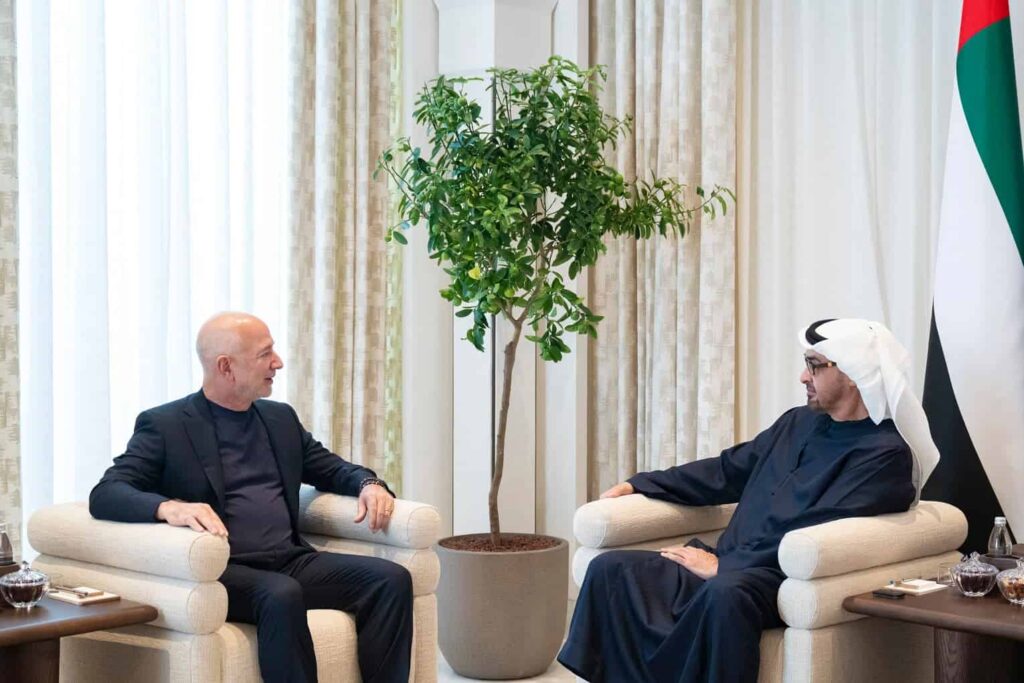
UAE President Sheikh Mohamed met with Jeff Bezos, the founder of Amazon, in Abu Dhabi. The UAE leader discussed with Bezos the efforts to advance high-technology partnerships.

The meeting, held at Qasr Al Shati in Abu Dhabi, was attended by Sheikh Tahnoon bin Zayed Al Nahyan, Deputy Ruler of Abu Dhabi and Chairman of the Artificial Intelligence and Advanced Technology Council (AIATC); Khaldoun Khalifa Al Mubarak, Chairman of the Executive Affairs Authority; and several senior officials.

Focus of the Meeting: Artificial Intelligence

The meeting addressed the importance of strengthening cooperation and fostering partnerships in innovation, advanced technology, and artificial intelligence. Discussions particularly focused on applying these tools in vital sectors such as education, healthcare, and the economy.

The stated objective was to advance development, enhance quality of life, and contribute to human progress and prosperity. The two leaders discussed efforts to strengthen partnerships in innovation, artificial intelligence, and other forms of advanced technology. It was emphasized that the purpose of the meeting was to accelerate progress in vital sectors and improve overall quality of life.

Bezos Praises the UAE’s Vision

Bezos praised the UAE’s forward-looking vision and its approach to embracing future technologies in ways that support society and development. Jeff Bezos, the billionaire entrepreneur who founded the technology, streaming, and e-commerce company Amazon in 1994 and remains its executive chairman, commended the UAE’s enterprising approach to adopting future technologies to support societal advancement.

Sheikh Tahnoon Previously Met with Musk and Bezos Together

Meanwhile, Sheikh Tahnoon bin Zayed Al Nahyan, Deputy Ruler of Abu Dhabi and Chairman of the Artificial Intelligence and Advanced Technology Council (AIATC), had previously met with Bezos together with Elon Musk, the founder of Tesla and owner of X. Those meetings focused on “strategies to strengthen collaborative efforts” in artificial intelligence. Sheikh Tahnoon held these discussions as part of Sheikh Mohamed’s official visit to the United States in September.

Jeff Bezos Takes on a New Role in an AI Venture

Four years after stepping down as Amazon’s CEO, Jeff Bezos appointed himself last month as co-CEO of an artificial intelligence startup called “Project Prometheus.” The former Amazon CEO will co-lead Project Prometheus together with technology executive Vik Bajaj.

Jeff Bezos Introduces New Artificial Intelligence Venture Project Prometheus