
EAEU Council Approves Draft Agreement to Standardize E-Commerce Rules and Customs Limits

The Eurasian Economic Union (EAEU) has taken another significant step toward establishing unified rules for digital trade. The Council of the Eurasian Economic Commission (EEC) has approved a draft agreement that outlines regulations for e-commerce and updated customs thresholds.
Daniyar Amangeldiev, First Deputy Chairman of the Cabinet of Ministers of the Kyrgyz Republic, participated in the EEC Council meeting via videoconference. During the session, the Council approved the draft Agreement on Electronic Commerce within the EAEU.
The approved draft aims to create a unified regulatory framework for e-commerce activities across all EAEU member states. The document introduces harmonized approaches to consumer protection, taxation, customs controls, and the movement of goods purchased online. Officials highlight that this step will provide a clearer and more predictable environment for both consumers and sellers.
Establishing Common and Transparent Rules for E-Commerce in the EAEU Internal Market
The agreement aims to facilitate mutual e-commerce within the EAEU, protect the rights and legitimate interests of participants, and define rules of interaction between them. The EEC Council established value thresholds allowing individuals to import e-commerce goods into the EAEU customs territory duty-free up to 200 euros.
The Council also set a unified customs duty rate for electronic goods purchased by individuals 5% of the item’s value, but not less than 1 euro per kilogram, excluding certain specific product categories. Additionally, the Council decided to introduce mandatory labeling for certain food products, perfumes and cosmetics, personal hygiene items, and household chemicals. Member states will independently determine the implementation date and specific procedures for labeling products subject to identification marking.
“Kyrgyzstan Played an Active Role in This Process”
Amangeldiev noted that the draft agreement represents significant progress in harmonizing the union’s digital trade ecosystem and will strengthen cooperation among member states. He emphasized that Kyrgyzstan played an active role in the process and that unified digital trade rules are essential for enhancing economic integration and improving the business environment.
Harmonizing Customs Exemption Thresholds for Cross-Border E-Commerce
One of the key elements of the draft agreement is the unification of customs exemption limits applied to cross-border e-commerce purchases. Currently, these thresholds differ from country to country, resulting in inconsistent processing of online imports. The new framework aims to simplify and standardize the handling of low-value shipments. The EEC Council stated that the proposed limits will strengthen oversight while maintaining convenient access to online purchases for consumers.
Supporting Long-Term Growth of E-Commerce
The draft agreement will now undergo further refinement by member states before it is submitted for final approval and signing. Officials note that the regulation aims to support the long-term growth of e-commerce and establish a more predictable regulatory environment across the region. Once adopted, the agreement is expected to streamline e-commerce processes, improve customs efficiency, and strengthen digital trade cooperation among EAEU member states.
Kyrgyzstan to Launch E-Commerce Park Supporting SMEs & Digital Infrastructure
Read more on
About the author
WORLDEF Editors
921 stories on WORLDEF since January 2025.
More from WORLDEF Editors →Related
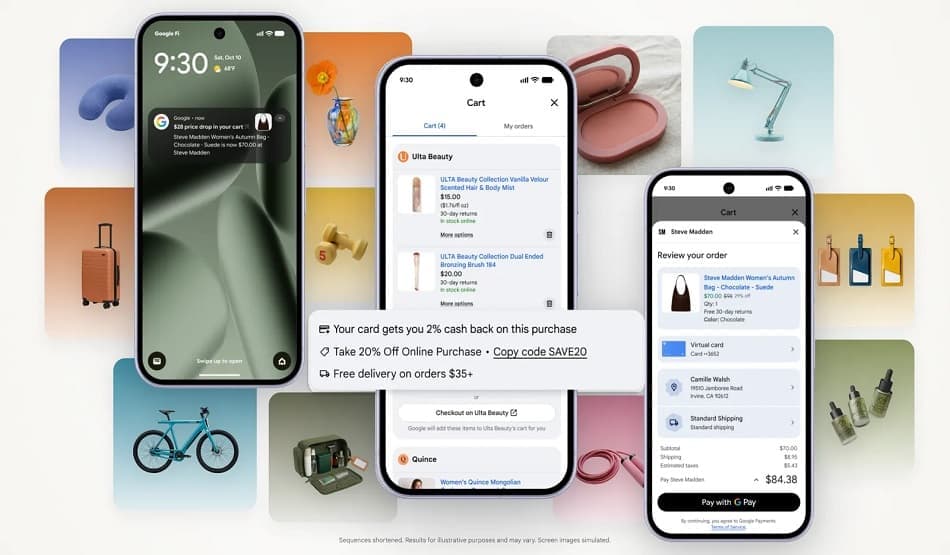
Google Launches “Universal Cart” Feature That Combines Shopping from Different Stores into a Single Cart
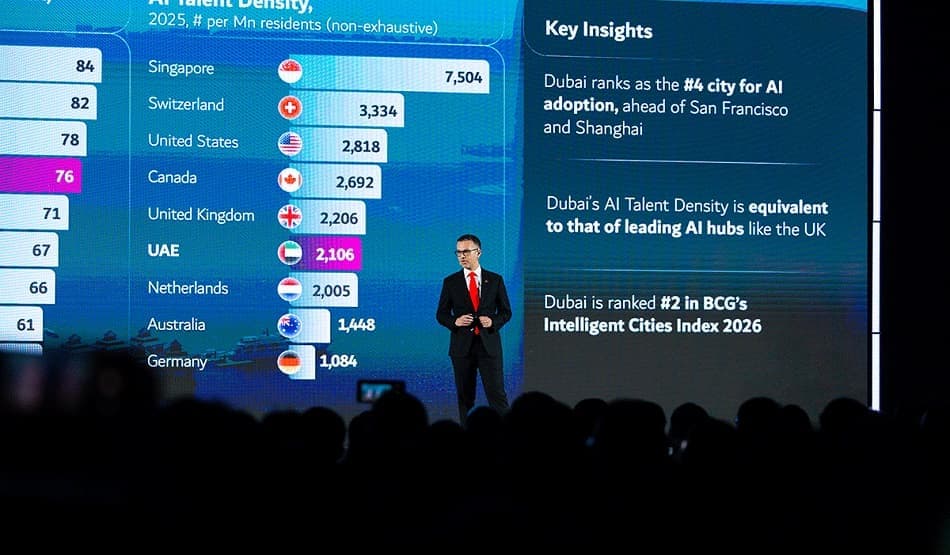
Dubai’s Population and Consumer Spending Exceed Pre-Crisis Levels
Dubai CommerCity and Tencent Cloud Partner to Drive Digital Transformation in E-Commerce

Syria Resumes Postal Services: Cooperation with Türkiye on E-Commerce on the Agenda

The week in commerce, before your competitors.
1,458 stories since January 2025, distilled into three newsletters. Pick the ones you want.