
Bleak Outlook for U.S. E-Commerce: High Tariffs Could Trigger a $320 Billion Loss

A Statista analysis warns that tariffs in the United States are not only a trade policy instrument but a force capable of reshaping the country’s e-commerce landscape over the next five years.
If high tariffs remain in place, the U.S. e-commerce market is expected to contract sharply. According to Statista, the tariff policies proposed for 2025 could lead to a $320 billion loss by 2029 compared with a free-trade scenario. The report estimates that U.S. online sales would reach $1.84 trillion by 2029 without tariff changes. Under a high-tariff regime, however, the figure would fall to $1.52 trillion, a decline of nearly 17%.
What Does Trump’s Scenario Mean?
Statista uses a model based on proposals by former President Donald Trump, which involve substantial tariff increases. In some categories, rates would triple, pushing U.S. tariffs to their highest level since 1969. Some countries may receive negotiated reductions China, for example, would see certain tariffs drop from 145% to 55%. Still, the overall tariff framework would significantly raise the cost of goods imported from Asia, Europe, and Latin America.
How Would Tariffs Impact E-Commerce?
The effects extend beyond price hikes. According to Statista:
- 76% of Amazon sellers and 71% of D2C brands expect higher product costs.
- More than 60% of surveyed companies plan consumer price increases.
- 44% of Amazon sellers are considering shifting production out of China.
- Fashion and home goods could face notable declines in global competitiveness.
- In fashion, the average tariff would jump from 1.83% to 12.55%.
A Strategic Test for the E-Commerce Sector
Statista’s findings show that tariffs could reshape every part of the value chain from importers and distributors to marketplaces and end consumers. For companies, success will depend on rapid adaptation, supply-chain diversification, and stronger value propositions in a higher-cost and more competitive environment. For consumers, the challenge will be maintaining access to competitive prices without compromising variety or quality.
US Tariff Ruling 2025: What It Means for E-Commerce Sellers?
Read more on
About the author
WORLDEF Editors
921 stories on WORLDEF since January 2025.
More from WORLDEF Editors →Related
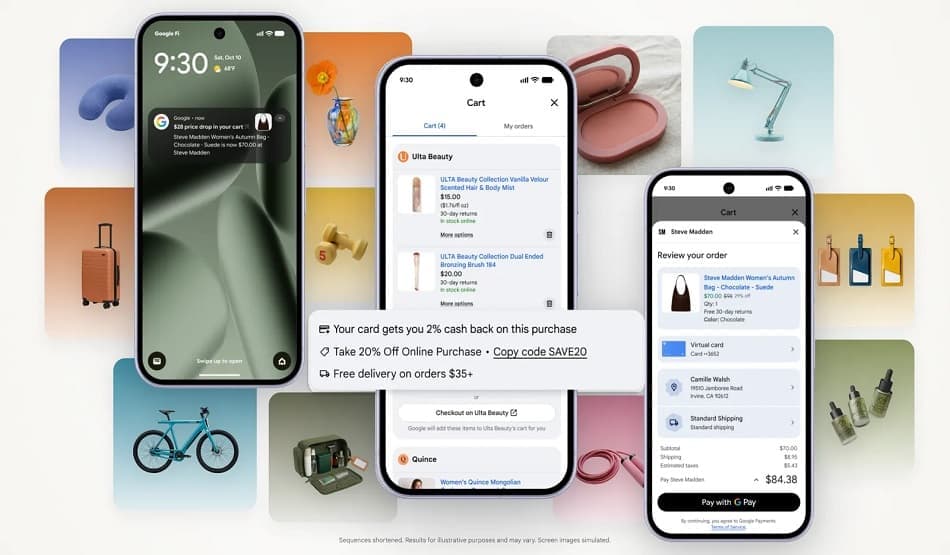
Google Launches “Universal Cart” Feature That Combines Shopping from Different Stores into a Single Cart
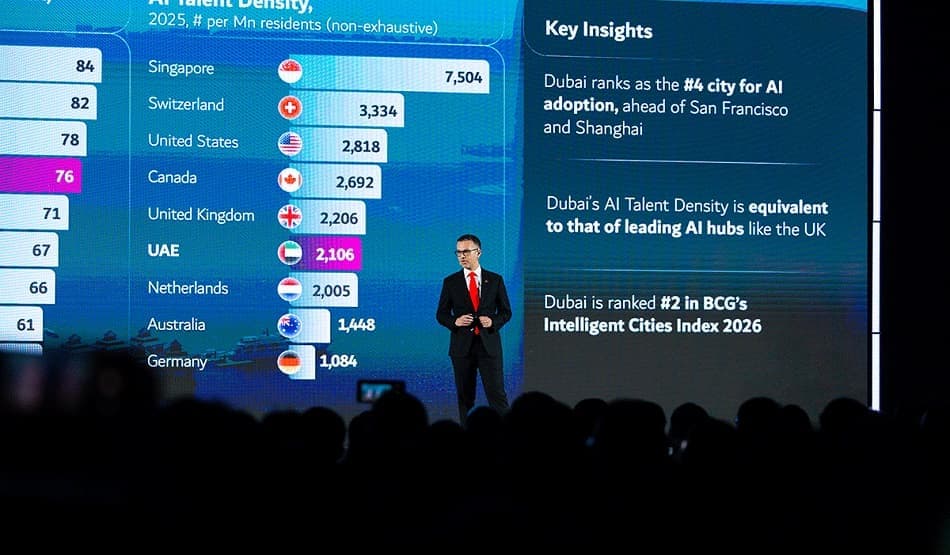
Dubai’s Population and Consumer Spending Exceed Pre-Crisis Levels
Dubai CommerCity and Tencent Cloud Partner to Drive Digital Transformation in E-Commerce

Syria Resumes Postal Services: Cooperation with Türkiye on E-Commerce on the Agenda

The week in commerce, before your competitors.
1,458 stories since January 2025, distilled into three newsletters. Pick the ones you want.