WORLDEF Istanbul 2026 - Upcoming Event

Register Now

Dubai Chambers China Forum 2026 to Accelerate Digital Economy and Trade Growth

Dubai Chambers China Forum 2026 to Accelerate Digital Economy and Trade Growth

Dubai Chambers has announced that the next edition of the Dubai Business Forum – China will take place in Shenzhen on October 14, 2026, aiming to strengthen trade, investment, and innovation ties between Dubai and China. The event will be held under the theme “Momentum at Scale: Accelerating Shared Success.”

Organized by Dubai Chambers, the forum is expected to bring together senior business leaders, investors, technology firms, policymakers, and multinational companies from both markets to explore opportunities across the digital economy, logistics, advanced manufacturing, venture capital, and emerging technologies.

How Dubai Chambers Is Expanding UAE-China Digital Economy Partnerships

Dubai Chambers stated that the forum is designed to create new channels for cross-border collaboration while positioning Dubai as a strategic global hub for Chinese companies seeking international expansion. Officials highlighted that the initiative aligns with the goals of the Dubai Economic Agenda (D33), which aims to double Dubai’s economy and strengthen its position among the world’s top global business cities.

According to Mohammad Ali Rashed Lootah, President and CEO of Dubai Chambers, the event will focus on “high-impact opportunities” in sectors including the digital economy and emerging technologies.

Shenzhen was selected as the host city due to its global reputation in technology, innovation, and advanced manufacturing. Located in China’s Greater Bay Area, the city has become a major center for digital transformation, smart mobility, logistics, and venture capital development.

The upcoming edition marks the fifth international Dubai Business Forum and the second one hosted in China. Previous editions were held in cities including Beijing, London, Hamburg, and New York. The Beijing edition in 2024 attracted more than 800 business leaders and investors.

Source

Bangladesh Sees Positive Marketplace Shift as Jiji Acquires Bikroy

Bangladesh Sees Positive Marketplace Shift as Jiji Acquires Bikroy

African classifieds marketplace Jiji has acquired Bikroy, Bangladesh’s largest online classifieds platform, marking the company’s first acquisition outside Africa and a major step in its international expansion strategy.

The acquisition comes just 13 months after Jiji officially entered the Bangladeshi market, where it launched operations to compete directly with established local players including Bikroy, Daraz and Ajkerdeal. Financial details of the transaction were not disclosed, although Jiji stated that the acquisition was completed using internal resources and shareholder support.

Founded in Nigeria, Jiji has built one of Africa’s largest digital classifieds ecosystems by following a “compete-then-buy” expansion strategy. The company previously acquired OLX Africa’s operations across several African markets in 2019 and later purchased Ghana’s Tonaton in 2022. Bikroy now becomes the third major competitor absorbed by the platform within six years.

Bikroy has been one of Bangladesh’s most recognized online marketplaces since its launch in 2012. The platform operates in both Bengali and English and has built a strong presence across categories including electronics, vehicles, property, jobs and household products.

Industry analysts view the move as a strategic effort by Jiji to replicate its African growth model in high-potential emerging markets. Bangladesh’s rapidly growing internet penetration, expanding middle class and rising online shopping adoption have made the country increasingly attractive for global e-commerce and marketplace companies.

Bangladesh Becomes a Key Digital Commerce Battleground

Bangladesh’s e-commerce sector is projected to reach between $12 billion and $13 billion within the next few years, driven by increasing smartphone usage and stronger digital payment adoption. According to industry data referenced by Jiji, nearly 79% of Bangladeshi consumers already shop online, while almost half are comfortable making payments through digital platforms.

By acquiring Bikroy instead of continuing direct competition, Jiji gains immediate access to one of the country’s largest online marketplace audiences and strengthens its position against regional competitors such as Alibaba-backed Daraz.

The acquisition also signals a broader trend in emerging-market e-commerce, where consolidation is becoming a key strategy for scaling digital marketplaces faster and reducing customer acquisition costs.

As competition intensifies across Asia and Africa, Jiji’s latest move highlights how global marketplace companies are increasingly targeting high-growth developing economies to secure long-term digital commerce leadership.

Source

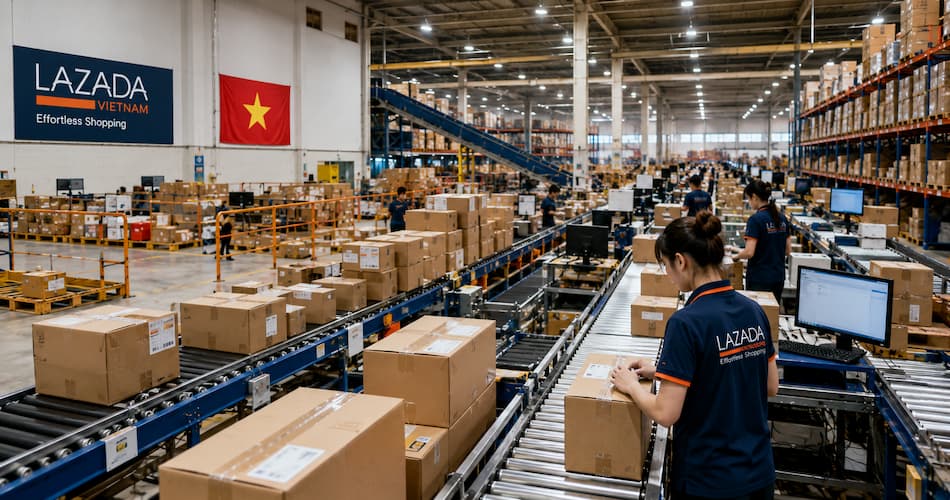
Vietnam’s E-Commerce Records Positive 47% Surge, Reaching $5.6B in Q1 2026

Vietnam’s E-Commerce Records Positive 47% Surge, Reaching $5.6B in Q1 2026

Vietnam’s e-commerce sector continued its rapid expansion in the first quarter of 2026, reinforcing the country’s position as one of Southeast Asia’s fastest-growing digital markets.

According to recent market data, total gross merchandise value (GMV) across Vietnam’s leading e-commerce platforms reached nearly VND148.6 trillion ($5.64 billion) during Q1 2026, representing a strong 47% year-on-year increase. The growth reflects rising consumer confidence, expanding platform competition and the increasing influence of social commerce in the country’s retail ecosystem.

Major platforms including Shopee, TikTok Shop, Lazada and Tiki continued to dominate the market, while livestream commerce and short-form video shopping became key drivers of online consumer engagement.

The number of online transactions also grew significantly during the quarter, surpassing 1.14 billion products sold. Vietnamese consumers spent an average of nearly $63 million per day on e-commerce platforms, highlighting the growing importance of digital retail channels in daily purchasing habits.

Beauty and personal care products emerged as the strongest-performing category, generating more than VND24.4 trillion in revenue. Women’s fashion and home-related products also remained among the top-selling segments. At the same time, men’s fashion recorded one of the fastest growth rates in the market, signaling changing consumer behavior and stronger demand for lifestyle-focused online shopping.

Social Commerce and Livestream Shopping Reshape Vietnam’s Market

Vietnam’s e-commerce growth is increasingly being fueled by social commerce strategies. Platforms are investing heavily in livestream shopping, creator-driven sales and short-video content to increase customer engagement and conversion rates.

TikTok Shop continues to rapidly expand its market share through “shoppertainment” strategies, while Shopee strengthens its position through integrated creator partnerships and platform-wide promotional campaigns. Analysts note that video-led commerce is becoming one of the defining trends of Vietnam’s digital economy.

Industry experts also highlight that Vietnam’s young digital-first population, improving logistics infrastructure and growing mobile internet penetration are creating strong long-term opportunities for online retail growth.

As Southeast Asia’s e-commerce competition intensifies, Vietnam is increasingly positioning itself as one of the region’s most dynamic and high-potential digital commerce markets for both local and international brands.

Source

TikTok Introduced TikTok GO: Travel Bookings Within the App

TikTok GO

TikTok has announced a new service that allows users to discover and book hotels, attractions, and events directly within the app: TikTok GO. This new feature was launched with the same logic as TikTok Shop, which integrates e-commerce into the app.

TikTok GO has been launched for users in the United States, enabling them to quickly book local services they discover. Now, TikTok aims to make users’ lives easier not only with fun videos but also with travel plans and bookings.

TikTok GO: A New Feature That Turns Discovery into Action

TikTok GO transforms travel-related content discovered by TikTok users within the app into a platform where they can directly make bookings. The app presents information about hotels, activities, and places to visit that users encounter while browsing TikTok, and users can book these places with just a few taps.

Initially available only in major cities in the U.S., TikTok GO is currently available in cities such as Atlanta, Dallas-Fort Worth, Philadelphia, and Seattle, and will be accessible in more regions by the end of the year. Users must be over 18 years old to take advantage of this service.

TikTok GO and Travel Reservations

TikTok GO marks a significant shift in the travel industry. Users will now not only save and share travel recommendations they see on TikTok, but they will also easily access and make bookings for those experiences through TikTok GO. The company has integrated a wide range of accommodation and tour options into the platform through partnerships with major travel brands such as Booking.com, Expedia, Viator, and Trip.com.

A feature that could be considered a competitor to Amazon’s TikTok GO is TikTok’s pricing strategy. While Amazon offers competitive prices for fast delivery, TikTok GO’s pricing is also more transparent and accessible for Prime members.

New Delivery Points and Fast Booking Options

TikTok is reducing its dependence on larger warehouses by setting up smaller delivery points closer to where users live, enabling faster and more efficient bookings. This strategy not only allows for quicker discovery of travel content but also ensures that users can access this content with just a few taps. Additionally, TikTok offers 1-hour and 3-hour delivery options to provide more alternatives.

Another innovation in TikTok GO is its in-app feature combined with TikTok’s “Prime Air” drone deliveries. This feature allows users to quickly access the services they want. TikTok recently began testing drone deliveries and aims to engage users with delivery options faster than 60 minutes.

TikTok GO offers new opportunities for creators as well. Creators who produce content about hotels, attractions, and local services can directly link their content to bookings and earn through commissions and creator campaigns.

Used with the Same Logic as TikTok Shop

In 2023, TikTok brought e-commerce directly into the app with TikTok Shop, allowing users to buy products featured in videos without leaving the app. TikTok GO applies the same logic to travel. Instead of directing users to third-party websites when they encounter a destination or recommendation in a video, TikTok positions itself as a one-stop platform where viral travel content can be directed towards bookings and revenue generation.

The addition of TikTok GO also places TikTok in more direct competition with Google. TikTok has already been chipping away at Google’s core businesses, Search and Google Maps, as users increasingly turn to the app as a search engine, and this latest launch further intensifies TikTok’s competition with the search giant.

“TikTok GO Integrated into the App Used by More Than 200 Million Americans”

TikTok stated: “Every day, people come to TikTok to discover their next adventure, like the hotel with the view that sparked their interest, the hidden gem restaurant a creator swears by, or the experience they didn’t know they needed. Today, we’re announcing TikTok GO, a new way for people in the U.S. to discover and book local services like hotels, attractions, and tours directly on TikTok.

TikTok GO, integrated into the app used by more than 200 million Americans, helps connect the places and experiences you discover on TikTok with the businesses behind them. Whether planning a weekend getaway, looking for something to do nearby, or following a creator’s recommendation, people can explore and book with just a few taps.”

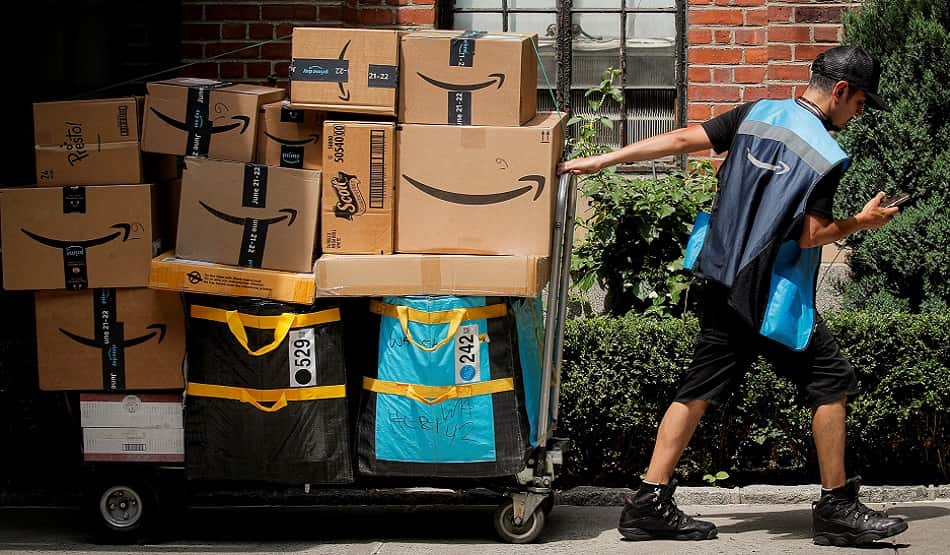
Amazon Launches 30-Minute Delivery Option Across the U.S.

Amazon

Amazon has taken a significant step in the e-commerce sector with the launch of its 30-minute delivery service in several major cities across the United States. The company calls this new service “Amazon Now,” allowing consumers to receive a variety of products, from grocery shopping to household needs, within just 30 minutes.

With “Amazon Now,” Amazon offers great convenience to customers seeking speed while shopping. The company announced that the service will initially be available in large cities such as Atlanta, Dallas-Fort Worth, Philadelphia, and Seattle.

Additionally, the service is planned to expand to other cities such as Austin, Denver, Houston, and Orlando. Amazon aims to provide this service to millions of customers in different regions of the U.S. by the end of the year.

Amazon’s Fast Delivery Competition

Amazon Now offers a wide range of products, from fresh food items to electronics. Customers can quickly access the products they need by placing an order via the app or website. Furthermore, Amazon members can take advantage of this service by paying just a $3.99 fee per order.

With this new 30-minute delivery option, Amazon aims to gain an advantage over competitors not only in terms of speed but also in pricing. Compared to other fast delivery services, Amazon’s pricing strategy is more transparent and generally more favorable for Prime members. For example, Prime members pay only $3.99, while non-Prime members pay $13.99.

New Delivery Locations Set Up for Fast Commerce

In order to enable these fast deliveries, Amazon is reducing its reliance on larger warehouses by setting up smaller delivery locations closer to where customers live. These smaller warehouses not only provide faster delivery times but also make Amazon’s supply chain more efficient.

With “Amazon Now,” Amazon is not only offering 30-minute delivery options but also providing different alternatives with 1-hour and 3-hour delivery options. Additionally, Amazon is testing drone deliveries under Prime Air, which are faster than 60 minutes.

Amazon Prime members can receive millions of products worldwide either the same day or the next day. As of 2025, Amazon Prime members have received over 13 billion products in total.

E-Commerce Volume in Türkiye Exceeded 115 billion USD

Türkiye

New data on e-commerce in Türkiye has been released. In 2025, the e-commerce volume in the country increased by 52.2% compared to the previous year, exceeding 4.57 trillion TL (115.43 billion USD). The number of transactions reached 5 billion 940 million.

The Ministry of Trade of Türkiye has announced the “2025 E-Commerce Outlook Report in Türkiye“. According to the announced data, the retail e-commerce volume in Türkiye reached 2 trillion 460 billion Turkish liras (54.3 billion USD) in 2025, showing a 51.8% increase compared to the previous year. The number of retail e-commerce transactions was 1 billion 940 million. Between 2019 and 2025, the annual compound growth rate of the total e-commerce volume was 79.6%, and the annual compound growth rate of retail e-commerce volume was 83.7% during the same period.

E-Commerce Volume in Türkiye Increased by 382% in USD Terms

In 2019, the e-commerce volume in Türkiye was 23 billion 940 million USD, and it steadily increased each year, reaching 89 billion 580 million USD in 2024. In 2025, it reached 115 billion 430 million USD, marking a 28.9% increase compared to the previous year. Between 2019 and 2025, the growth rate in USD terms was 382%.

E-Commerce’s Share in Total Trade Reached 19.3%

In 2025, the domestic e-commerce volume accounted for 6.9% of Türkiye’s Gross Domestic Product (GDP), which was 63 trillion 20 billion 905 million TL (1.40 trillion USD) according to the Turkish Statistical Institute (TÜİK). The share of e-commerce in total trade in Türkiye showed a high trend in the first quarter, decreased in the second quarter, remained stable in the third quarter, and increased again in the last quarter, mainly due to the impact of campaigns, but declined in the last month of the year.

634,611 Businesses Engaged in E-Commerce Activities in Türkiye

In 2024, 600,800 businesses in Türkiye were engaged in e-commerce activities, and by 2025, this number reached 634,611. Among the businesses involved in e-commerce, 75% are sole proprietorships, 21% are limited liability companies, and 4% are joint-stock companies. Among the e-commerce business owners, 72% are male, and 28% are female. The majority of male and female business owners are in the 30-34 age range.

Clothing, Footwear, and Accessories Sector Ranked First

In the distribution of businesses engaged in e-commerce by sector in Türkiye, the food sector had the highest share at 20.3%, followed by the clothing, footwear, and accessories sector at 13.8%, electronics at 11.9%, and home, garden, furniture, and decoration sectors at 10.5%. In 2025, the sector that took the largest share of e-commerce volume was clothing, footwear, and accessories, with 428 billion 700 million Turkish liras, followed by electronics at 304 billion 340 million Turkish liras, airlines at 285 billion 440 million Turkish liras, and food at 270 billion 160 million Turkish liras.

The Most Preferred Payment Method in E-Commerce Was Card Payments with 62.5%

When examining the payment methods used in e-commerce in Türkiye, card payments ranked first with 62.5%, followed by wire/EFT payments at 29.2%, cash on delivery at 3.5%, and other payment methods at 4.8%. Of the card payments, 64.1% were made using the 3D secure security method.

In November 2025, e-commerce volume increased by 41.5% compared to the same period in 2024. During the same period, the number of products and services sold increased by 11.6%. In the campaign month, the highest volume increase compared to the previous year occurred in the following sectors: books and magazines, food, entertainment and arts, and groceries and supermarkets.

Quick Commerce Reached 388.7 Billion Turkish Liras

Quick commerce (Q-Commerce), where consumers can reach the products they need within minutes, increased by 55.6% in 2025 compared to the previous year, with its share in the total e-commerce volume reaching 8.5%. In quick commerce, the food sector led the list with 69.5%, showing a noticeable difference compared to other sectors.

Consumer-to-consumer (C2C) e-commerce demonstrated significant potential in terms of sustainability. In 2025, the transaction volume in consumer-to-consumer (C2C) sales reached 21 billion 800 million Turkish liras, with 23 million 600 thousand transactions. The clothing, footwear, and accessories sector accounted for 36.7% of the sustainable e-commerce volume, followed by the electronics sector with 29.5%.

Blackstone’s Positive €635M Skroutz Deal Signals New Growth Era for Southeast European E-Commerce

Blackstone’s Positive €635M Skroutz Deal Signals New Growth Era for Southeast European E-Commerce

Global investment giant Blackstone has agreed to acquire a majority stake in Greek e-commerce platform Skroutz from CVC Capital Partners in a deal valued at approximately €635 million, including debt. The acquisition marks one of the most significant recent e-commerce transactions in Southeast Europe and highlights growing investor confidence in the region’s digital retail ecosystem.

Originally founded in 2005 as a price-comparison platform, Skroutz has evolved into Greece’s leading online marketplace, now offering more than 26 million products from around 9,000 merchants to approximately 2.5 million active users. Over the years, the company expanded its operations beyond marketplace services into logistics, fulfillment, fintech, retail media, and last-mile delivery infrastructure.

Why the Blackstone–Skroutz Deal Matters for the E-Commerce Industry

The transaction reflects a broader trend of major global investment firms targeting regional digital commerce leaders with strong infrastructure and long-term expansion potential. Blackstone sees Skroutz as more than just an online marketplace; the company has built a vertically integrated ecosystem that includes payment services, logistics operations, and fulfillment capabilities across Greece and neighboring markets.

Skroutz has already expanded into Cyprus, Romania, and Bulgaria, positioning itself as an emerging regional player in Southeast Europe. Analysts believe Blackstone’s backing could accelerate this growth strategy and strengthen the platform’s competitiveness against global marketplaces and rapidly growing Asian e-commerce platforms.

Economic Growth and Digital Retail Expansion in Greece

The acquisition also underlines the rapid transformation of Greece’s digital economy. Greece has become one of Europe’s faster-growing economies in recent years, while e-commerce penetration across Southeast Europe still remains below Western European levels , creating significant room for future growth.

According to reports, Skroutz’s revenue grew from approximately €30 million in 2020 to more than €130 million by 2024, driven by rising online shopping adoption, stronger logistics capabilities, and expanding merchant participation.

Despite the ownership change, Skroutz’s founders will remain actively involved in the company. Co-founder George Chatzigeorgiou is expected to continue serving as CEO, while the founding team retains a minority stake in the business.

Source

Kaspi.kz Posts Robust Q1 Growth as Türkiye Becomes Core E-Commerce Market

Kaspi.kz Posts Robust Q1 Growth as Türkiye Becomes Core E-Commerce Market

Kaspi.kz delivered another quarter of strong growth in the first quarter of 2026, driven by accelerating marketplace activity and the rapid expansion of its operations in Türkiye.

The Kazakhstan-based fintech and e-commerce giant reported a 31% year-over-year increase in total revenue, reaching approximately $2.3 billion, while e-commerce gross merchandise value (GMV) climbed 41% to $2.6 billion.

A key highlight of the quarter was the growing contribution of Türkiye to the company’s regional commerce strategy. Following the consolidation of Hepsiburada, Türkiye now accounts for nearly half of Kaspi.kz’s total e-commerce GMV, underlining the strategic importance of the market in the company’s international expansion plans.

Türkiye Emerges as a Strategic Growth Engine

Kaspi.kz’s latest results reflect a broader transformation underway within the company. Once primarily known as Kazakhstan’s dominant super app, the group is increasingly positioning itself as a regional digital commerce and fintech ecosystem spanning Central Asia and Türkiye.

Marketplace revenue rose 49% year-over-year to roughly $1.1 billion, supported by stronger consumer demand, increased order frequency, and deeper engagement across its integrated services. Revenue generated from advertising and logistics services surged 73%, demonstrating the growing monetization potential of Kaspi.kz’s broader ecosystem infrastructure.

The company’s expansion strategy in Türkiye appears to be gaining momentum as it integrates Hepsiburada into its platform operations while leveraging cross-border commerce and digital payment capabilities.

Profitability Pressured by Investments and Funding Costs

Despite the strong top-line growth, profitability remained under pressure during the quarter. Adjusted EBITDA increased 9% year-over-year to $768 million, while net income remained relatively stable at $526 million.

Kaspi.kz attributed the slower profit growth to higher funding costs in Kazakhstan as well as continued investments tied to the integration and scaling of Hepsiburada’s operations in Türkiye.

The company also completed a $600 million Eurobond issuance with a five-year maturity during the quarter, strengthening its liquidity position and supporting future strategic investments.

Regional E-Commerce Competition Intensifies

Kaspi.kz’s expansion comes at a time when competition across emerging e-commerce markets is intensifying. Companies throughout Central Asia, the Middle East, and Türkiye are increasingly investing in marketplace ecosystems, fintech integration, logistics infrastructure, and AI-powered commerce tools to capture long-term digital retail growth.

By combining fintech services, payments, marketplace operations, and logistics within a single ecosystem, Kaspi.kz continues to differentiate itself from more traditional e-commerce players operating in the region.

The company maintained its full-year 2026 guidance, signaling confidence in continued growth across both Kazakhstan and Türkiye as digital commerce adoption accelerates across the wider region.

Source: TradingView

Allegro and OpenAI Partnership Signals a Powerful New Era for European E-Commerce

Allegro and OpenAI Partnership Signals a Powerful New Era for European E-Commerce

Poland’s leading marketplace platform, Allegro, has officially entered into a strategic partnership with OpenAI, marking one of the most significant AI-focused collaborations in the European e-commerce sector this year. The move is expected to accelerate AI innovation across Allegro’s marketplace ecosystem, from smarter shopping experiences to advanced seller tools and personalized commerce services.

The partnership gives Allegro direct access to OpenAI’s latest artificial intelligence technologies, models, and expert support. According to the company, the collaboration will focus on designing, testing, and deploying AI-powered applications specifically tailored for e-commerce operations.

AI Becomes the Core of Allegro’s Growth Strategy

Artificial intelligence has already become a major part of Allegro’s platform development strategy. The company recently introduced AI-powered assistants for both shoppers and sellers, aiming to simplify product discovery, improve offer management, and optimize marketplace performance.

One of the newest developments is Allegro’s AI assistant for sellers, which provides merchants with real-time insights, quality score explanations, optimization recommendations, and logistics support. The solution is currently moving beyond its pilot phase and is expected to roll out more broadly in the coming months.

At the same time, Allegro is expanding AI functionalities for consumers through intelligent shopping assistants integrated into its mobile app and browser experience. The marketplace says these tools are designed to help users compare products faster, make better purchasing decisions, and receive more personalized recommendations.

OpenAI Collaboration Could Reshape European Marketplace Competition

The partnership arrives at a time when AI competition among global marketplaces is intensifying. Companies such as Amazon, Zalando, and several European retail platforms are rapidly integrating conversational commerce and AI-driven recommendation systems into their ecosystems.

For Allegro, the collaboration with OpenAI is not only about operational efficiency but also about positioning itself as one of Europe’s most technologically advanced marketplace companies. CEO Marcin Kuśmierz described AI as a transformational force capable of redefining how e-commerce operates across the region.

Industry observers see the move as another sign that European marketplaces are accelerating investments in generative AI to compete with global tech giants while improving merchant productivity and customer engagement.

Poland Emerges as a Growing AI Commerce Hub

The announcement also highlights the growing role of Poland and Central Europe in the AI and digital commerce ecosystem. OpenAI representatives noted that the region is showing strong adoption of artificial intelligence technologies, particularly in e-commerce and digital services.

Allegro remains the dominant marketplace platform in Poland and continues expanding its technological capabilities despite increasing pressure from international competitors. The company has recently focused on streamlining operations, investing in AI infrastructure, and strengthening marketplace services for merchants and consumers alike.

As AI rapidly becomes central to online retail strategy, the Allegro-OpenAI partnership could become a defining example of how European marketplaces adapt to the next generation of digital commerce.

Source

UAE and Syria Open a New Economic Chapter With First Positive Business Forum Since Assad’s Fall

UAE and Syria Open a New Economic Chapter With First Positive Business Forum Since Assad’s Fall

The United Arab Emirates and Syria have taken a significant step toward rebuilding economic relations with the launch of their first bilateral business forum since the fall of former Syrian president Bashar Al Assad. Held in Damascus, the forum brought together government representatives, investors, and business leaders from both countries, highlighting a renewed regional push toward economic recovery, investment, and long-term cooperation.

The event reflects a broader transformation taking place across the Middle East, where regional powers are increasingly prioritizing economic diplomacy and reconstruction opportunities in post-conflict markets. For Syria, the forum represents more than a symbolic diplomatic development, it signals an effort to reposition the country as an emerging investment destination after years of political isolation and economic instability.

Economic Cooperation Between the UAE and Syria Gains New Momentum

Delegations from the UAE explored opportunities across several sectors considered critical for Syria’s recovery, including infrastructure, logistics, construction, tourism, technology, healthcare, energy, and real estate. Syrian officials emphasized the importance of attracting foreign direct investment to help rebuild damaged industries and modernize the country’s economic foundations.

The UAE’s growing interest in Syria aligns with its broader regional strategy of expanding economic influence through trade, infrastructure, and strategic investment partnerships. Emirati companies are already reported to be assessing major projects in cities such as Damascus and Latakia, particularly in urban development and hospitality. Analysts believe Gulf-backed investments could play an important role in accelerating Syria’s reconstruction process over the coming years.

The forum also arrives at a time when regional supply chains and trade routes are undergoing significant shifts. Syria’s geographic position has historically made it a strategic gateway connecting the Gulf, the Levant, and Europe. Renewed commercial activity between the UAE and Syria could eventually strengthen logistics corridors, cross-border trade, and regional connectivity initiatives.

Beyond economics, the meeting demonstrates how business cooperation is increasingly becoming a tool for political normalization in the region. Following leadership changes in Syria in late 2024, several Middle Eastern countries have gradually reopened channels of communication with Damascus, focusing on stability, economic integration, and regional development.

For Syrian businesses, the forum provides an opportunity to reconnect with Gulf investors and re-enter regional markets after years of limited international engagement. For UAE companies, Syria offers long-term potential in sectors that require modernization, digital transformation, and infrastructure redevelopment.

While challenges including sanctions, financing conditions, and political uncertainties remain, the forum signals cautious optimism for a new phase of regional cooperation. As Gulf economies continue seeking new investment frontiers, Syria’s reconstruction could become one of the Middle East’s most closely watched economic stories in the years ahead.

Source