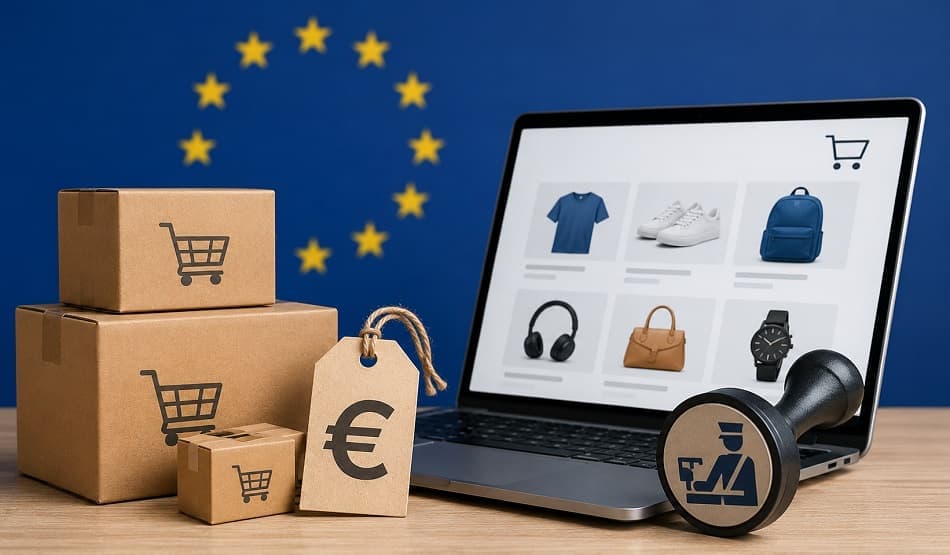
Consumer organizations and members of the European Parliament in the European Union (EU) have called on the European Commission to take action to ensure that consumers do not face unexpected charges due to the new customs duty imposed on low-value e-commerce parcels. As of July 1, 2026, the EU began applying a fee of €3 per parcel to low-value e-commerce imports that had previously entered the region duty-free.
Customs Duty Should Be Included in the Total Price
The European Consumer Organisation, BEUC, which represents consumer organizations in 31 European countries, stated that consumers should be able to see the total price, including taxes and other charges, at the time of purchase. The organization found that customs duty information was displayed only at the final stage of the payment process for some orders, while in some cases it was not disclosed at all.
European postal companies such as PostNL and La Poste state that the fee may be requested from the recipient before delivery. BEUC also announced that some postal operators are charging high administrative processing fees in addition to the customs duty. The organization will conduct a comprehensive study in the coming months to determine the impact of the practice on consumers.
Responsibility of Platforms Emphasized
Dutch lawmaker Dirk Gotink, who is responsible for customs regulations in the European Parliament, stated in a letter sent to EU Trade Commissioner Maros Sefcovic that the payments should be the responsibility of e-commerce platforms rather than consumers. Gotink said consumers should not face unexpected charges at the time of delivery or as a precondition for delivery.
A European Commission spokesperson also stated that companies are legally responsible for customs procedures, customs duties, and taxes, and that the charges should not be collected from consumers. The Commission was reported to be monitoring current practices.
Practices of Temu, AliExpress, and Shein
Temu and AliExpress display customs duty charges to consumers on the checkout screen. AliExpress presents the amount as an estimated fee. Shein, meanwhile, does not show a separate customs duty item during checkout, but states that it pays the applicable taxes itself and includes these costs in product prices. Some deliveries made by the company from EU warehouses are not subject to the new fee.
The EU’s new practice aims to reduce unfair competition caused by online retailers and the volume of e-commerce parcels, which reached 5.8 billion in 2025. In the first 48 hours after the duty came into effect, direct air cargo capacity from China to Europe fell by 18%, while the decline in the first week was recorded at 14%.