WORLDEF Prime Antalya 2026 — Super Early Bird Discounts

Register Now

EU Imposes Record Fine on AliExpress: €550 Million Penalty for Illegal Products

AliExpress

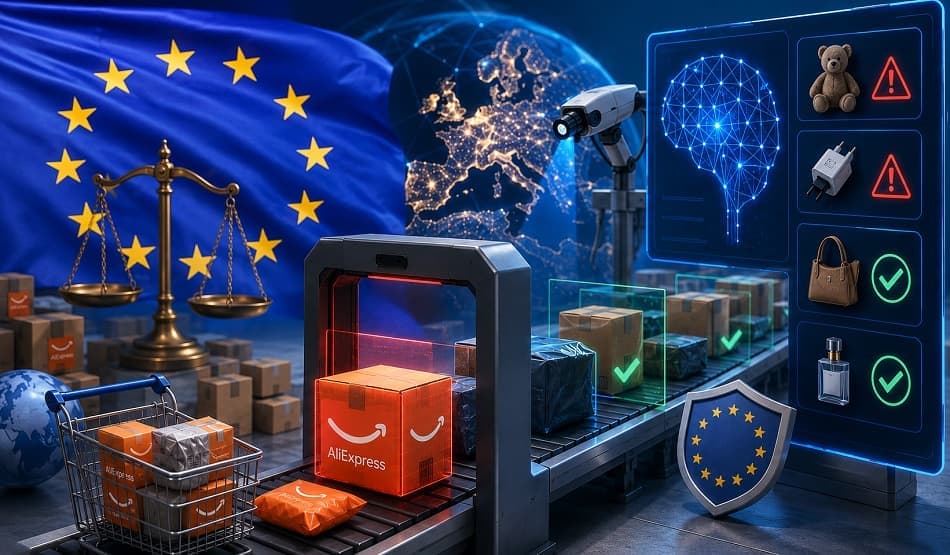
The European Commission fined AliExpress €550 million on the grounds that it failed to adequately assess and mitigate the risks related to the sale of illegal, unsafe, and counterfeit products. The decision marked the highest fine the European Union has imposed on an e-commerce platform to date under the Digital Services Act.

Deficiencies Identified in AliExpress’s Monitoring Systems

In the investigation launched in March 2024, it was determined that AliExpress had not assigned a sufficient number of employees to detect illegal products on the platform. According to European Commission sources, some employees had only 10 to 20 seconds to assess the risks posed by the products.

The Commission stated that AliExpress had overstated the effectiveness of its automated product detection systems and relied largely on a single quantitative indicator to measure moderation performance. It was also noted that the platform’s recommendation and advertising systems increased the circulation of illegal products.

Algorithmic Controls Were Easily Circumvented

It was stated that sellers were able to bypass compliance checks by placing products in incorrect categories. The mandatory “brand authorization” system used to prevent counterfeit products was reported to have failed to deliver the expected results due to insufficient staffing and ineffective controls.

As a result of these deficiencies, counterfeit clothing, unsafe toys, and dangerous cosmetic products remained on sale for weeks despite being detected. It was also reported that some sellers who had been sanctioned for violating the rules continued to operate on the platform.

Of the €550 million fine, €110 million was attributed to inadequate risk assessment, while €440 million was related to the failure to implement effective risk mitigation measures. The fine exceeded the €120 million penalty imposed on X and the €200 million sanction applied to Temu.

AliExpress Will Appeal the Decision

AliExpress described the fine as “disproportionate,” stating that it had cooperated with the European Commission, improved its risk management system, and introduced voluntary measures. The company announced that it would appeal the decision.

AliExpress, which has 193 million users in Europe, is required to submit an action plan containing compliance measures to the Commission by October 20, 2026. If the plan is found to be insufficient, additional fines may be imposed on the platform.

5.8 Billion Shipments Raise Alarm as EU Industry Pushes for Immediate Action on Imports

E-commerce industry faces surge in cross-border shipments as parcels pile up in EU logistics warehouse

A coalition of European industry and retail organisations has called on the European Union to take urgent action to address growing challenges linked to cross-border e-commerce imports.

In a joint statement released in Brussels, industry groups warned that existing regulatory gaps are undermining fair competition, weakening consumer protection, and putting increasing pressure on the EU’s Single Market.

Surge in Cross-Border E-Commerce Imports

The rapid expansion of global e-commerce has significantly increased the volume of small parcels entering the EU. In 2025 alone, around 5.8 billion shipments were delivered into the bloc, creating serious challenges for customs authorities and market surveillance systems.

Many of these imports reportedly fail to comply with EU standards, including product safety rules, VAT obligations, environmental regulations, and intellectual property protections. This situation allows non-compliant sellers—often based outside the EU—to gain a competitive advantage over European businesses that are required to meet stricter regulatory requirements.

Risks for Consumers and Businesses

Industry representatives say the current system exposes consumers to unsafe or misleading products, particularly in categories such as electronics, textiles, and consumer goods.

At the same time, European companies face increasing pressure from unfair competition, as non-EU sellers can bypass compliance costs and regulatory checks. The coalition also highlighted the broader economic impact, warning that these trends could harm local industries, disrupt supply chains, and accelerate the decline of physical retail across European cities.

Recent EU data further supports these concerns, showing that a significant share of imported e-commerce goods fail to meet EU safety standards, reinforcing calls for stronger enforcement mechanisms.

Call for Faster Regulatory Action

While the EU is already working on reforms under the Union Customs Code—particularly the introduction of the “deemed importer” system—industry groups argue that the current timeline is too slow. The system is not expected to be fully implemented until 2028.

Instead, the coalition is urging policymakers to introduce interim measures that can be applied immediately. One key proposal is to require all non-EU sellers to appoint a legally responsible representative within the EU. This would make it easier for authorities to enforce compliance and ensure accountability across cross-border transactions.

Strengthening Environmental and Compliance Rules

Another major concern raised by the coalition relates to environmental obligations. Industry groups are calling for stricter enforcement of Extended Producer Responsibility (EPR) rules, particularly in areas such as packaging, electronics, batteries, and textile waste.

Ensuring that online marketplaces and foreign sellers comply with these requirements would help prevent “free-riding” practices and create a more level playing field for European businesses operating under sustainability regulations.

A Growing Push for Immediate Change

The coalition’s message is clear: action cannot wait. With e-commerce imports continuing to grow at scale, industry leaders are urging the European Commission and Member States to accelerate reforms and introduce practical enforcement measures now—rather than relying solely on long-term regulatory changes.

They argue that faster intervention is essential to protect consumers, restore fair competition, and maintain the integrity of the EU’s internal market.

Source: EURATEX