WORLDEF Prime Antalya 2026 — Super Early Bird Discounts

Register Now

UK and Kenya Open Negotiations on Landmark Digital Trade Agreement

UK and Kenya Open Negotiations on Landmark Digital Trade Agreement

The United Kingdom and Kenya have officially launched negotiations on a comprehensive digital trade agreement designed to strengthen economic ties, expand digital commerce, and attract greater technology investment between the two countries.

The proposed agreement is expected to establish a modern framework for digital trade by improving the flow of online services, supporting innovation, and reducing barriers for businesses operating across both markets. The initiative reflects the growing importance of digital economies in international trade and builds on the long-standing commercial relationship between the UK and Kenya. 

Focus on E-Commerce and Digital Innovation

Negotiators aim to create rules that facilitate cross-border digital transactions while encouraging investment in technology-driven industries. The agreement is expected to benefit businesses ranging from startups and fintech firms to e-commerce platforms and digital service providers.

Among the key objectives are improving regulatory cooperation, promoting trusted digital trade, supporting secure data flows, and creating a more predictable business environment for companies expanding internationally.

The partnership is also intended to encourage innovation by enabling businesses to adopt new digital technologies and expand access to international markets. 

Strengthening Kenya’s Digital Economy

For Kenya, the negotiations represent another step in advancing its ambition to become a leading digital economy in Africa. The country has experienced rapid growth in mobile payments, online retail, financial technology, and digital entrepreneurship over the past decade.

A digital trade agreement with the UK could help Kenyan businesses access new export opportunities while attracting foreign investment into technology infrastructure, digital services, and innovation ecosystems.

Small and medium-sized enterprises (SMEs), which make up a significant share of Kenya’s economy, are also expected to benefit from simplified digital trade processes and improved market access.

Expanding Opportunities for UK Businesses

For the United Kingdom, the agreement supports its broader strategy of deepening trade relationships with high-growth economies following Brexit. By strengthening digital cooperation with Kenya, British companies could gain greater access to one of Africa’s fastest-growing technology markets.

The agreement is expected to create new opportunities for businesses operating in sectors including cloud computing, financial technology, cybersecurity, digital logistics, artificial intelligence, and professional digital services.

Building on Existing Trade Relations

The negotiations complement the existing trade partnership between the UK and Kenya while shifting greater attention toward the digital economy. As global commerce increasingly moves online, both governments are seeking to establish trade rules that reflect modern business practices and support long-term economic growth.

If concluded, the agreement could become one of Africa’s most significant bilateral digital trade partnerships, serving as a model for future digital economy agreements between developed and emerging markets.

Officials from both countries will continue discussions over the coming months as they work toward a comprehensive framework that promotes innovation, enhances digital connectivity, and supports sustainable growth in cross-border e-commerce and technology investment.

Source

ASEAN Negotiators Move Closer to Landmark Digital Economy Agreement in Manila Talks

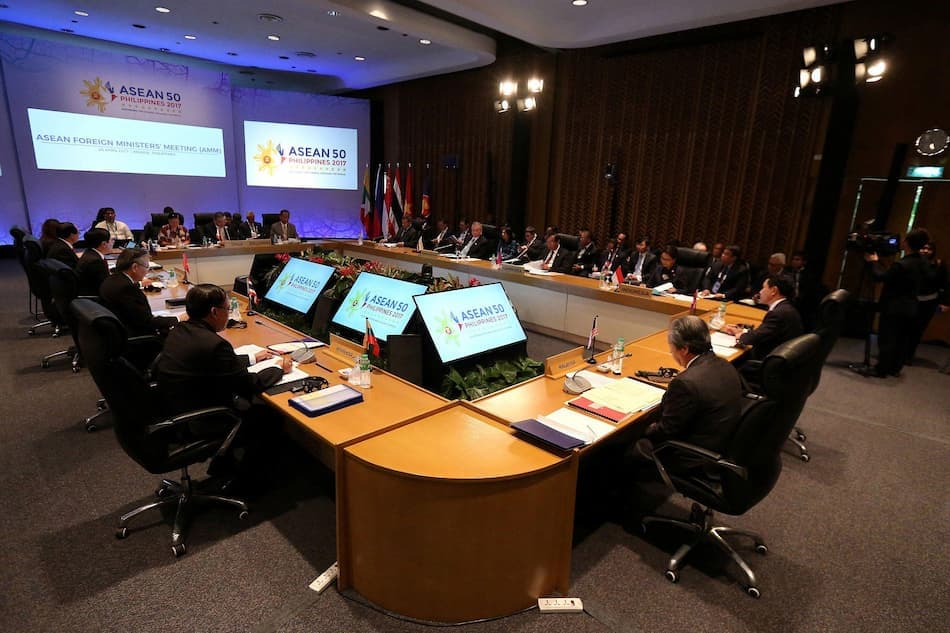
ASEAN officials meeting in Manila to discuss regional digital economy agreement

The ASEAN digital economy framework took another step forward as negotiators convened in Manila to advance a landmark regional agreement.

Officials and technical experts from the Association of Southeast Asian Nations (ASEAN) met in Bonifacio Global City from March 8 to 10 for the 18th meeting of the ASEAN Digital Economy Framework Agreement (DEFA) Negotiating Committee, alongside a second session involving legal experts reviewing the draft provisions of the agreement.

The meeting represents another step toward building a unified regional framework designed to support the growth of digital commerce, cross-border services and technology-driven innovation across Southeast Asia.

Toward a Unified ASEAN Digital Economy

The proposed ASEAN Digital Economy Framework Agreement is intended to establish common rules and standards for digital trade among the bloc’s 10 member states.

Regional policymakers say the agreement could play a critical role in accelerating digital integration, improving interoperability between national systems and reducing regulatory fragmentation that currently complicates cross-border digital transactions.

Southeast Asia has become one of the fastest-growing digital markets in the world. According to regional estimates cited by officials, the ASEAN digital market could reach $2 trillion by 2030, fueled by expanding internet access, mobile adoption and a rapidly growing e-commerce sector.

By introducing shared frameworks for digital payments, electronic documentation, cybersecurity cooperation and consumer protection, the agreement aims to create a more seamless digital marketplace across ASEAN countries.

Boosting Cross-Border E-Commerce

One of the core objectives of the digital economy agreement is to support the continued expansion of cross-border e-commerce throughout the region.

Online commerce has grown rapidly in Southeast Asia over the past decade, with millions of consumers increasingly relying on digital platforms to purchase goods and services from across borders.

Officials involved in the negotiations say the framework could make it easier for companies to operate regionally by simplifying digital trade procedures and promoting compatible regulations between countries.

The agreement is also expected to benefit micro, small and medium-sized enterprises (MSMEs), which form the backbone of many ASEAN economies. By lowering barriers to digital trade, smaller businesses could gain easier access to international markets and new customer bases.

Improved interoperability between digital payment systems and electronic documentation could also help reduce costs and improve transaction efficiency for businesses operating online.

Legal Review and Next Steps

During the Manila meetings, negotiators worked to narrow remaining differences on key provisions while legal experts reviewed sections of the agreement that have already been finalized.

This process, often referred to as “legal scrubbing,” ensures that the text of the agreement is consistent, clear and ready for final approval once negotiations conclude.

The digital trade initiative is among the Philippines’ priority economic projects during its ASEAN leadership agenda in 2026. Regional officials have expressed optimism that negotiations could be completed within the year if discussions continue progressing as expected.

If finalized, the ASEAN Digital Economy Framework Agreement would become one of the most comprehensive regional frameworks dedicated specifically to digital economic cooperation, potentially reshaping how digital trade operates across Southeast Asia.

The agreement is widely seen as a major step toward creating a more connected regional digital market capable of supporting innovation, investment and long-term growth.

Source: Philippine Information Agency (PIA)