WORLDEF Prime Antalya 2026 — Super Early Bird Discounts

Register Now

Shipping Resumes Between Iran and UAE as Direct Cargo Routes Reopen

Shipping Resumes Between Iran and UAE as Direct Cargo Routes Reopen

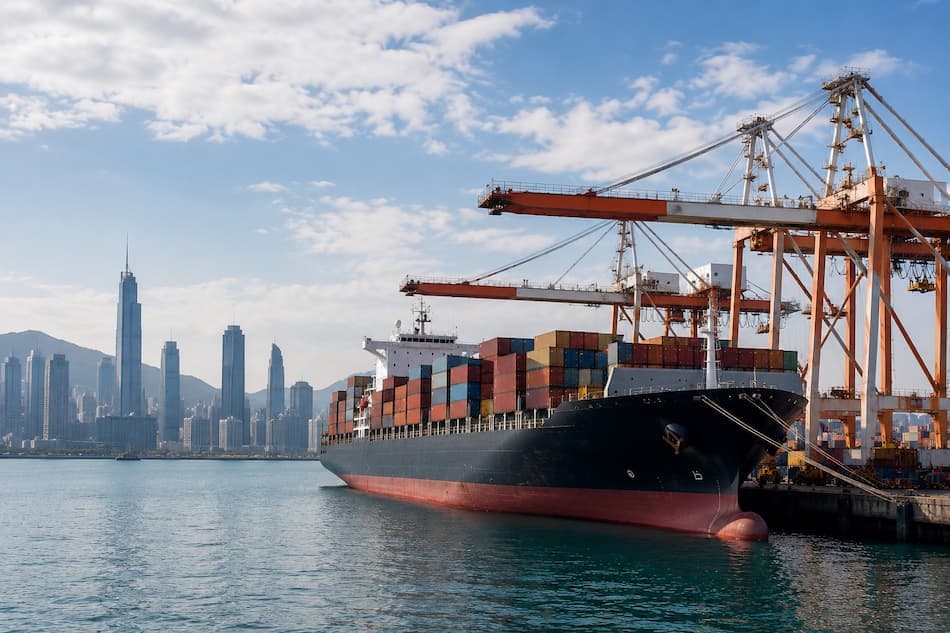
Iran has announced the resumption of direct cargo shipping routes from the United Arab Emirates, marking a significant step toward restoring trade connectivity between the two neighboring economies. The move could improve logistics efficiency and facilitate cross-border commerce in the Gulf region, although Emirati authorities have yet to officially comment on the development.

Iranian officials said direct cargo shipping services between the UAE and Iran have resumed, indicating that bilateral trade relations are gradually returning to normal. Ali Emami, Director-General of Logistics and Support at Iran’s Trade Development Organisation, stated that goods are once again being transported directly between the two countries.

The development follows recent signs of improving connectivity between the two nations. Earlier this week, Dubai International Airport reportedly received a direct flight from Tehran, with return services also resuming after disruptions linked to regional tensions and the recent conflict involving Iran. Iran had also announced the reactivation of trade exchanges through Dubai’s Jebel Ali Port and indicated that flights between the two countries would restart within days.

Renewed Shipping Routes Could Strengthen Gulf Trade Connectivity

The UAE and Iran have historically maintained strong commercial ties, with the UAE serving as one of Iran’s key trade and re-export partners. The restoration of direct cargo shipping routes is expected to ease supply chain pressures, reduce transit times, and lower logistics costs for businesses operating between the two markets.

For logistics providers, retailers, and e-commerce businesses, renewed maritime connectivity could create opportunities for more efficient movement of goods and strengthen regional trade flows at a time when companies are increasingly seeking resilient and diversified supply chains across the Middle East. However, operational details and the full scope of the resumption remain unclear, as Emirati authorities have not yet issued an official statement regarding Iran’s announcement.

Source

Tehran E-Commerce Faces 100% Disruption Risk as Internet Restoration Urged

Tehran E-Commerce Sector Urges Immediate Internet Restoration as Crisis Deepens

Tehran’s digital economy calls for urgent action

Iran’s digital business community is calling for the immediate restoration of internet services as ongoing disruptions continue to impact economic activity across the country. The Tehran Electronic Commerce Association has issued a formal statement urging authorities to restore full connectivity, describing stable internet access as a critical foundation for both economic recovery and public confidence.

According to the association, the current situation is no longer just a technical issue but a structural challenge affecting thousands of businesses and millions of users who rely on digital services daily.

E-commerce operations under pressure

The disruptions have significantly affected key sectors of Tehran’s e-commerce ecosystem. Ride-hailing platforms, food delivery services, online marketplaces, and fintech applications have all experienced operational slowdowns or partial outages.

Many businesses report reduced transaction volumes and difficulties in maintaining customer communication. Small and medium-sized enterprises, in particular, are facing growing pressure as their ability to sell, market, and operate online becomes increasingly limited.

Despite these challenges, parts of the sector have continued to function at reduced capacity, highlighting the resilience of Iran’s digital entrepreneurs. However, industry leaders warn that this situation is not sustainable in the long term.

Limited access and global isolation

Authorities have relied on a restricted “national internet” infrastructure, allowing access primarily to domestic platforms while limiting global connectivity. This approach has created a digital divide, cutting businesses off from international markets, tools, and platforms.

In addition, restrictions on VPN services commonly used to bypass such limitations have further reduced access to global networks. As a result, many companies are unable to engage in cross-border trade or use essential digital services.

Economic impact continues to grow

The prolonged restrictions are contributing to broader economic challenges. Businesses are experiencing declining revenues, disrupted operations, and reduced productivity. While some financial services have resumed and certain regulatory deadlines have been extended, these measures offer only temporary relief.

Industry representatives stress that without full internet restoration, the damage to Tehran’s e-commerce sector could have lasting consequences.

A defining moment for digital economies

The situation in Tehran highlights a broader global reality: reliable internet access has become a fundamental pillar of modern economies. As pressure mounts from the business community, the coming period will be critical in determining the future stability and growth of Iran’s digital ecosystem.

Source

Stay updated with global e-commerce insights and developments on WORLDEF.