
French E-Commerce Grows Steadily in Early 2025
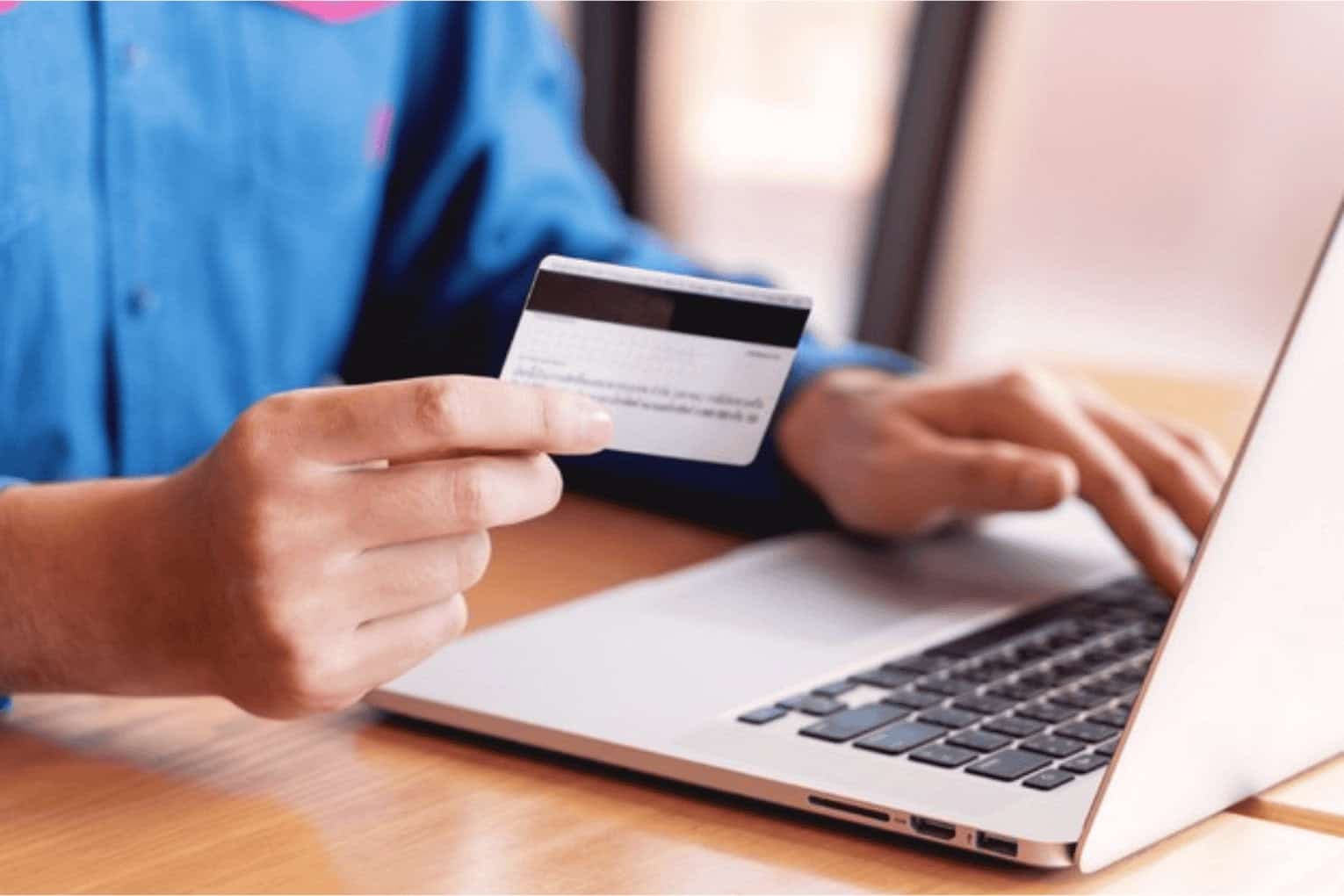
French e-commerce market continued its steady upward trend in the first half of 2025, expanding by nearly 8 percent compared to the same period in 2024. According to data from Fevad, the Federation of E-Commerce and Distance Selling, the sector’s resilience reflects strong consumer adaptation to online shopping and the ongoing integration of digital commerce into everyday French life.
(interiordaily.com)
Despite a cooling economy and lower inflation, French consumers continued to shop online in record numbers. The total value of online transactions grew by 7.9 percent, while the overall number of purchases jumped by 11.3 percent signaling that more people are turning to e-commerce for convenience and affordability.
Product and Service Breakdown
Fevad’s report shows a clear distinction between product and service performance. Product sales grew by about 4 percent year-on-year, while online services such as travel bookings, ticketing, and digital subscriptions surged by 10 percent.
This divergence reflects the recovery of the tourism and entertainment sectors, which were slower to rebound after the pandemic. The return of travel and leisure spending played a central role in boosting the service segment’s momentum.
In total, French consumers completed hundreds of millions of online transactions during the first six months of 2025, confirming the maturity of the market. However, the average basket value fell to around €67, marking a decline of 3 percent for goods and 5 percent for services compared to the previous year.
According to Fevad, the drop in basket size is linked to stabilizing prices after years of inflation, a rise in smaller, frequent purchases, and a growing interest in second-hand and discount platforms. Consumers are prioritizing value for money and promotions, leading to higher transaction volumes but smaller individual spends.
Insights from the Fevad iCE 100 Index
The data is based on Fevad’s “iCE 100” index, a panel of over 100 leading e-commerce websites operating in France. The report revealed that B2C (business-to-consumer) sales rose by 5.3 percent, driven primarily by performance in key retail categories.
The most dynamic sectors in the first half of 2025 were:
- Sports equipment (+5.8%)
- Consumer electronics and home appliances (+4.5%)
- Furniture and home décor (+2.2%)
Meanwhile, fashion and beauty segments experienced limited growth. Clothing sales increased only 0.1 percent, while beauty and cosmetics rose 0.6 percent. Analysts attribute this stagnation to market saturation and ongoing price competition from discount retailers and fast-fashion platforms.
In contrast, the service sector posted 9 percent growth, boosted by strong demand for travel and hospitality. The rebound in tourism, both domestic and international, helped offset slower growth in retail categories.
Professional Sales and Market Adjustments
While consumer activity remains robust, sales to professional buyers (B2B) declined by approximately 2.6 percent in the same period. Fevad noted that business investment has slowed amid cautious economic sentiment, particularly in manufacturing and construction sectors.
However, analysts believe this decline is temporary and reflects broader cyclical patterns rather than a structural weakness in the digital marketplace. The long-term outlook for B2B e-commerce in France remains positive, with continued digitalization of procurement systems expected to drive recovery later in the year.
Changing Consumer Behavior
French consumers are becoming increasingly strategic in their online spending. Many are leveraging price comparison tools, loyalty programs, and seasonal promotions to manage their budgets more effectively. The rising popularity of second-hand goods, refurbished electronics, and peer-to-peer resale platforms such as Vinted and LeBonCoin has also reshaped the landscape of digital commerce.
This shift toward sustainable consumption aligns with broader European trends. Shoppers are seeking affordable options without compromising on quality or environmental responsibility. As a result, hybrid marketplaces that combine new and pre-owned goods have gained significant traction.
Fevad’s secretary general, Marc Lolivier, commented that “French e-commerce is stabilizing at a high level of maturity it’s no longer about explosive growth but consistent, structural integration into everyday life.” He added that despite smaller baskets, the total number of transactions continues to set new records, confirming consumer trust in digital retail channels.
Sectoral Trends and Regional Performance
Geographically, growth remains strongest in large metropolitan areas such as Paris, Lyon, and Marseille, but smaller cities and rural regions are catching up thanks to better logistics networks and faster delivery options. The continued expansion of click-and-collect services and next-day shipping has made online shopping more accessible beyond urban centers.
In terms of sectors, sports and electronics continue to lead due to innovation cycles and consumer upgrades in connected devices, smart home products, and fitness equipment. Furniture and décor also saw moderate increases as home improvement spending remains stable.
Luxury and high-end beauty categories have plateaued, reflecting cautious discretionary spending among middle-income households. However, niche premium brands are performing better online than in physical stores, suggesting that digital platforms are becoming the preferred channel for brand discovery.
Broader Economic Context
Fevad’s analysis situates e-commerce growth within the broader French economy, which has been shaped by slower GDP expansion and easing inflation. After several years of rising prices, households have regained some purchasing power, but many continue to prioritize savings and seek discounts.
E-commerce’s steady growth, despite these pressures, underscores its resilience. The combination of convenience, variety, and transparency continues to attract consumers even in uncertain economic conditions.
According to Fevad, online retail now accounts for approximately 14 percent of France’s total retail spending a proportion expected to rise as digital infrastructure improves and omnichannel strategies evolve.
Sustainability and Digital Innovation
Sustainability has also emerged as a competitive differentiator in the French market. Retailers are adopting greener packaging, carbon-neutral delivery options, and recycling programs to appeal to environmentally conscious consumers.
At the same time, digital innovation continues to shape customer experiences. The use of artificial intelligence for personalized recommendations, faster checkout processes, and improved logistics tracking has made e-commerce smoother and more efficient.
French retailers, both large and small, are investing in automation and data analytics to optimize inventory management and reduce costs. These improvements are expected to help stabilize prices and support profitability even as competition intensifies.
Outlook for the Second Half of 2025
Looking ahead, Fevad projects that the French e-commerce market will maintain moderate but steady growth throughout the rest of the year. The upcoming holiday season and major shopping events such as Black Friday are expected to lift sales volumes further.
Retailers are focusing on loyalty retention and enhancing mobile experiences, as smartphone-driven shopping continues to rise. Mobile transactions now account for over half of all online purchases in France, a milestone achieved earlier this year.
Despite potential headwinds, industry experts remain optimistic. They argue that France’s e-commerce ecosystem supported by logistics infrastructure, trusted payment systems, and strong consumer confidence is positioned for sustainable long-term expansion.
Conclusion
The first half of 2025 confirms that France’s e-commerce industry has entered a phase of maturity defined by stability, innovation, and evolving consumer habits. With transaction volumes climbing, service sectors booming, and sustainability shaping new business models, the market shows no sign of slowing down.
While spending patterns may shift toward value-conscious behavior, the underlying digital transformation of retail in France remains irreversible marking e-commerce as one of the most dynamic pillars of the national economy.
Read more on
About the author
WORLDEF Editors
921 stories on WORLDEF since January 2025.
More from WORLDEF Editors →Related
Google Launches “Universal Cart” Feature That Combines Shopping from Different Stores into a Single Cart
Dubai’s Population and Consumer Spending Exceed Pre-Crisis Levels
Dubai CommerCity and Tencent Cloud Partner to Drive Digital Transformation in E-Commerce

Syria Resumes Postal Services: Cooperation with Türkiye on E-Commerce on the Agenda

The week in commerce, before your competitors.
1,458 stories since January 2025, distilled into three newsletters. Pick the ones you want.