
Walmart Expands in South Africa with First Branded Store in Johannesburg
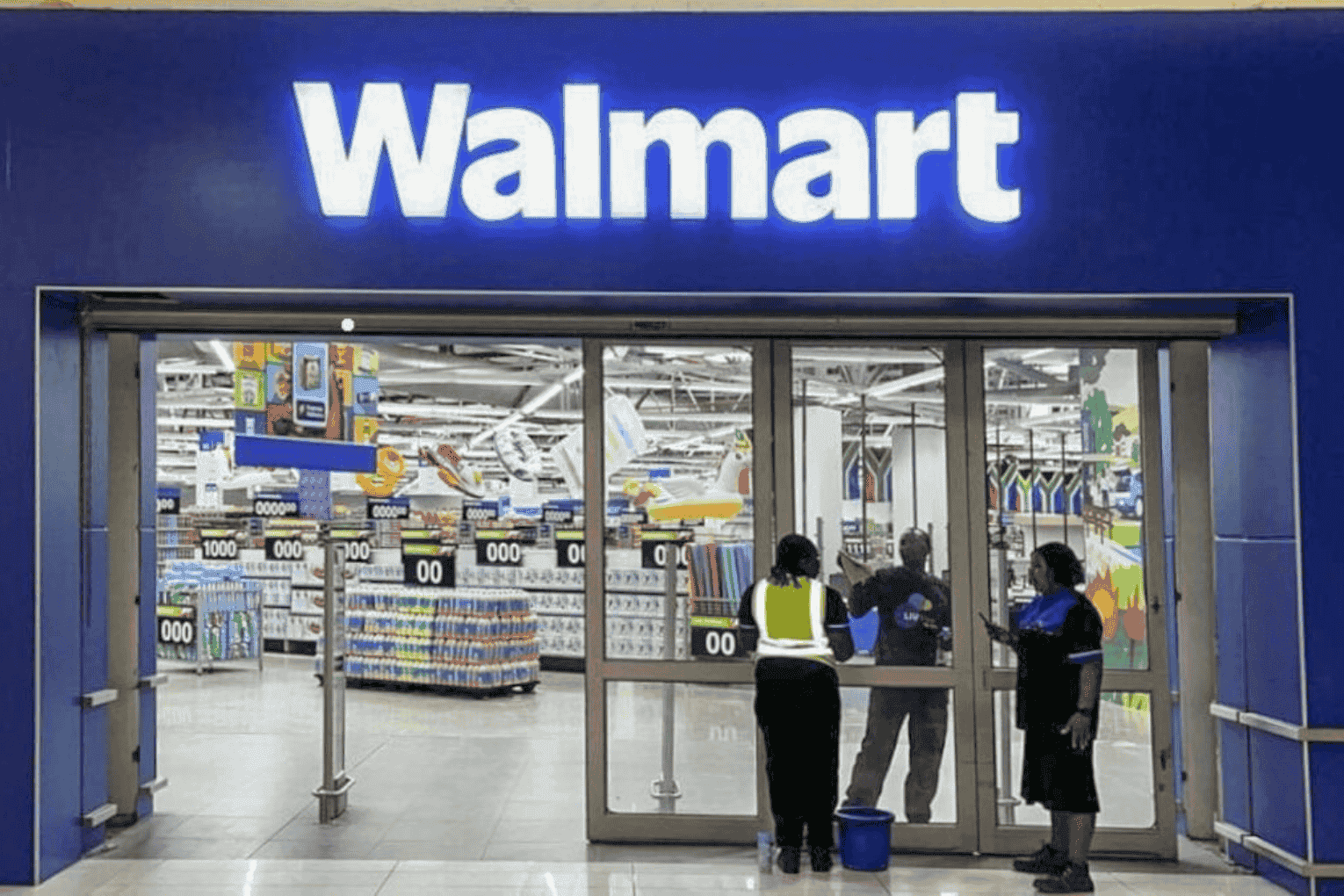
Global retail giant Walmart is deepening its footprint in Africa with the launch of its first self-branded store in South Africa, located at Clearwater Mall in Johannesburg. The move marks a pivotal step in Walmart’s regional expansion strategy, reflecting the company’s confidence in the country’s evolving retail and e-commerce landscape. (bandwidthblog.co.za)
This development follows more than a decade of indirect presence in the South African market through its ownership of Massmart, which operates several well-known retail brands including Game, Makro and Builders. Walmart’s decision to open a store under its own brand for the first time represents a significant evolution of its strategy in the region, transitioning from a partnership-led model to a direct retail footprint.
According to Bandwidth Blog, the new store is set to open in the former Game retail space, which has undergone renovation to reflect Walmart’s global store identity. The decision underscores the company’s effort to bring its “Everyday Low Prices” philosophy and integrated omnichannel retail strategy directly to South African consumers.
A Strategic Expansion for Walmart in Africa
South Africa has long been viewed as one of the continent’s most attractive retail markets, thanks to its developed infrastructure, growing middle class and strong digital penetration. For Walmart, entering the market under its own name aligns with broader efforts to capture the region’s expanding consumer spending power while positioning the company to compete with established local giants such as Shoprite, Pick n Pay and Woolworths.
Walmart first entered South Africa in 2011 with a majority stake in Massmart Holdings, an acquisition then valued at approximately USD 2.4 billion. However, despite that investment, the company’s influence in shaping local retail remained largely behind the scenes. Its decision to roll out a fully branded Walmart store marks a departure from that strategy, signaling greater operational autonomy and renewed confidence in its ability to connect directly with South African shoppers.
Industry analysts have interpreted the move as part of Walmart’s broader strategy to combine physical retail with e-commerce, mirroring trends seen in other global markets. As online retail adoption rises across Africa, particularly in urban centers such as Johannesburg, Cape Town and Durban, Walmart’s hybrid approach of physical presence supported by online fulfillment infrastructure could position it ahead of regional competitors.
Market Dynamics and E-Commerce Integration
South Africa’s e-commerce sector continues to grow at double-digit rates annually. The country’s high smartphone penetration and digital-payment adoption have made it one of the fastest-growing online markets on the continent. Walmart’s global strategy increasingly prioritizes seamless integration between its physical stores and digital shopping platforms, allowing consumers to order online and either collect in-store or receive same-day delivery.
While Walmart has yet to confirm whether its Johannesburg store will feature such capabilities at launch, observers expect that it will serve as a pilot site for future omni-channel models in Africa. The company’s expertise in logistics, inventory management and technology-driven operations could enable faster delivery times and improved customer service, addressing one of the major pain points in African online retail.
According to MyBroadband, the decision to open a Walmart-branded outlet also follows a period of restructuring within Massmart, including the closure of underperforming Game outlets. Some of these locations are expected to be converted into Walmart-branded stores in the coming years if the Johannesburg experiment proves successful. (mybroadband.co.za)
Competitive Landscape and Local Adaptation
Despite Walmart’s global reputation and scale, entering South Africa under its own name presents unique challenges. The country’s retail industry is dominated by strong local players with deep understanding of consumer behavior, local sourcing, and pricing dynamics. South African shoppers are known for their sensitivity to both price and brand authenticity, which may require Walmart to adapt its strategy to local expectations.
Retail analysts caution that Walmart’s success will depend on how well it localizes its product mix. South African households often prefer locally manufactured goods, fresh produce, and regionally sourced brands. Walmart’s ability to balance global supply-chain efficiency with local supplier engagement will be critical in establishing brand trust.
Moreover, Walmart’s decision to establish a physical presence comes at a time when global retail is shifting toward digital-first models. This means the company must find a way to position its brick-and-mortar expansion as complementary to, rather than in conflict with, the broader digital transformation underway across African retail.
Economic Impact and Job Creation
The opening of Walmart’s first store in Johannesburg is also expected to stimulate job creation and supply-chain investment. Industry experts estimate that the new outlet will directly employ around 250 staff, with hundreds more involved indirectly through logistics, warehousing and supply contracts. Local producers could benefit as Walmart strengthens its partnerships with regional suppliers to ensure consistent stock availability and pricing competitiveness.
The economic timing is notable: South Africa’s retail sector has been recovering gradually after inflationary pressures and cost-of-living increases in 2024. Consumer confidence has begun to rise, and foreign direct investment into retail and e-commerce has been picking up pace. Walmart’s decision to proceed with expansion during this recovery phase could position it as a long-term player in the country’s economic rebound.
Challenges and Long-Term Outlook
While Walmart’s arrival has been widely welcomed, it also faces structural hurdles. South Africa’s logistics costs remain high due to fluctuating fuel prices and infrastructure constraints. The company must also navigate local labor regulations and competitive wage requirements, which have posed challenges for international retailers in the past.
Additionally, Walmart’s success will depend on its ability to build brand loyalty in a market where digital-savvy consumers already have multiple retail choices. Ensuring a high-quality in-store experience, maintaining affordability, and launching region-specific promotions could help Walmart establish a strong foothold.
If the Johannesburg location performs well, industry observers expect Walmart to roll out additional branded stores across Gauteng province, followed by expansions into Cape Town and Durban. The long-term vision likely includes integrating online delivery platforms and digital-payment systems, potentially partnering with local fintech providers to reach underserved customers in secondary cities.
Conclusion
Walmart’s decision to open its first fully branded store in Johannesburg represents a strategic milestone in the company’s African growth story. It underscores the multinational retailer’s commitment to building a direct relationship with South African consumers, strengthening supply chains, and participating more actively in the region’s digital retail evolution.
The move reflects broader trends in global retail, where major players are increasingly blending physical and digital strategies to stay competitive. For South Africa, Walmart’s presence may bring greater competition, improved logistics, and expanded product variety, benefiting both consumers and local businesses.
As the store prepares for launch, expectations are high that it could set the standard for international retail operations in the country. Whether Walmart’s “Everyday Low Prices” promise resonates with South African shoppers will determine if this experiment becomes the foundation for a nationwide rollout.
Read more on
About the author
WORLDEF Editors
921 stories on WORLDEF since January 2025.
More from WORLDEF Editors →Related
Google Launches “Universal Cart” Feature That Combines Shopping from Different Stores into a Single Cart
Dubai’s Population and Consumer Spending Exceed Pre-Crisis Levels
Dubai CommerCity and Tencent Cloud Partner to Drive Digital Transformation in E-Commerce

Syria Resumes Postal Services: Cooperation with Türkiye on E-Commerce on the Agenda
The week in commerce, before your competitors.
1,458 stories since January 2025, distilled into three newsletters. Pick the ones you want.