
What Should E-Commerce Sellers Expect from Q4 2025?

The e-commerce ecosystem is gearing up for the final quarter of 2025 the busiest and most profitable period of the year. Sellers are approaching this season with both optimism and caution. But what exactly should e-commerce players expect from Q4 2025?
As global e-commerce continues to replace traditional retail, it also feels the impact of economic and geopolitical shifts more deeply than ever. The online retail sector is undergoing a massive transformation driven by artificial intelligence, while simultaneously facing regulatory challenges worldwide. The industry must also navigate global inflation, diplomatic tensions, the U.S. “de minimis” decision, supply chain disruptions, logistics challenges, shifting consumer behavior, and intense competition.
Despite all this, e-commerce remains resilient and continues to grow globally. Data from the first half of 2025 suggests even fiercer competition ahead. Brands that have embraced smart logistics and AI adaptation expect higher efficiency gains, while those that remain “traditional” are likely to face a tougher Q4.
Global E-Commerce Performance in the First Half of 2025
In the first six months of 2025, global e-commerce maintained steady growth though the rapid surge seen in the post-pandemic years has slowed. According to eMarketer and UNCTAD, global online sales reached $3.8 trillion as of June 2025, marking a 9.4% year-over-year increase.
Regions such as Southeast Asia, MENA, and Africa are leading with double-digit growth rates, driven by mobile commerce, social selling, and regional payment systems. In contrast, mature markets like the U.S. and Europe face growth limitations due to inflation and high interest rates. Sellers are focusing on efficiency over volume as storage, shipping, and digital advertising costs continue to rise.
The “De Minimis” Effect: A New Era for Global Supply Chains
As Q4 approaches, the U.S. removal of the “de minimis” exemption has sent shockwaves across the e-commerce landscape. This policy change eliminates the tax exemption for low-value international shipments, introducing new customs requirements and mandatory import duties.
For Asia- and Europe-based sellers, this means higher costs and longer delivery times. To offset these expenses, many have shifted from air freight to postal or hybrid logistics solutions. The shift has also accelerated mergers and restructuring among international logistics providers. For e-commerce sellers, diversifying logistics networks and proactive planning are no longer optional they’re essential.
Peak-Season Expectations for Q4 2025
Despite tightening regulations, Q4 2025 could be a record-breaking sales season. Major global campaigns Singles’ Day, Black Friday, and Cyber Monday will fuel momentum through the end of the year. Analysts predict that global e-commerce revenues will exceed $2 trillion in Q4 alone, representing more than one-third of annual online sales.
This surge will be powered by AI-driven personalization, live shopping trends, and omnichannel fulfillment strategies. Yet competition is fiercer than ever: customer acquisition costs remain high, and digital ad prices are expected to rise 12 to 15% during the quarter. To stay ahead, brands must focus on loyalty, automation, and customer retention.
Cautious Forecasts for the Holiday Season
At the same time, many analysts maintain cautious expectations compared to previous years. For the first time since the pandemic, holiday-season growth may remain in single digits.
Rising living costs, slowing consumer spending, and growing return rates are key factors dampening momentum. Adobe Analytics and eMarketer project global online sales growth of 6 to 8% in Q4 2025 well below the 12% increase seen in 2024. In the U.S., retailers expect tougher conditions for matching last year’s Black Friday and Cyber Monday records. In Europe, inflation is pushing average basket values down, while MENA and Asia are forecast to experience steadier growth.
Consumers Plan to Shop Less but Smarter
According to KPMG, 63% of consumers plan to make “fewer but more meaningful purchases” this holiday season. Discounts and free shipping remain the strongest purchase motivators.
Q4 2025 will also mark one of the first holiday periods where AI-powered personalization is used extensively. Platforms such as Amazon, TikTok Shop, Shopify, and Temu are leveraging recommendation engines to deliver more targeted campaigns and improve conversion rates.
In Türkiye, the UAE, and Saudi Arabia, e-commerce is expected to grow by double digits during the holiday period driven by rising investment and strengthened logistics infrastructure. Experts emphasize that 2025 will be less about “flash sales” and more about strategic sustainability. Higher operating costs and ad competition are pushing brands to be more precise in inventory planning, fast delivery, and customer experience.
Strategic Recommendations for Q4 2025
Strengthen logistics and customs compliance: Brands selling to the U.S. and EU should collaborate with logistics partners experienced in new customs regulations. Hybrid postal models and regional warehousing strategies can effectively reduce costs and delivery times.
Focus on AI-driven forecasting and personalization: AI-based systems now power nearly all major e-commerce platforms. Demand forecasting, inventory optimization, and personalized recommendations are among the most effective ways to boost conversions during peak season.
Leverage social commerce and live-stream selling: TikTok Shop, Instagram Checkout, and YouTube Live are driving impulsive purchase behavior. Live interactions increase average order values and brand visibility.
Invest in sustainability and consumer trust: In 2025, shoppers care more than ever about environmental impact and data privacy. Offering carbon-neutral shipping and ensuring data transparency can set brands apart in crowded markets.
What Lies Ahead for E-Commerce in 2026
As we enter 2026, e-commerce continues to evolve at the intersection of technology, regulation, and customer experience. Brands that adapt quickly to the post-de minimis environment, embrace automation, and integrate global trade compliance will gain a decisive competitive edge.
Therefore, Q4 2025 will not only mark a season of record-breaking sales but also a strategic turning point that defines the next era of digital commerce. The winners will not just be those who sell more but those who grow smartly, compliantly, and sustainably.
Read more on
About the author
WORLDEF Editors
921 stories on WORLDEF since January 2025.
More from WORLDEF Editors →Related
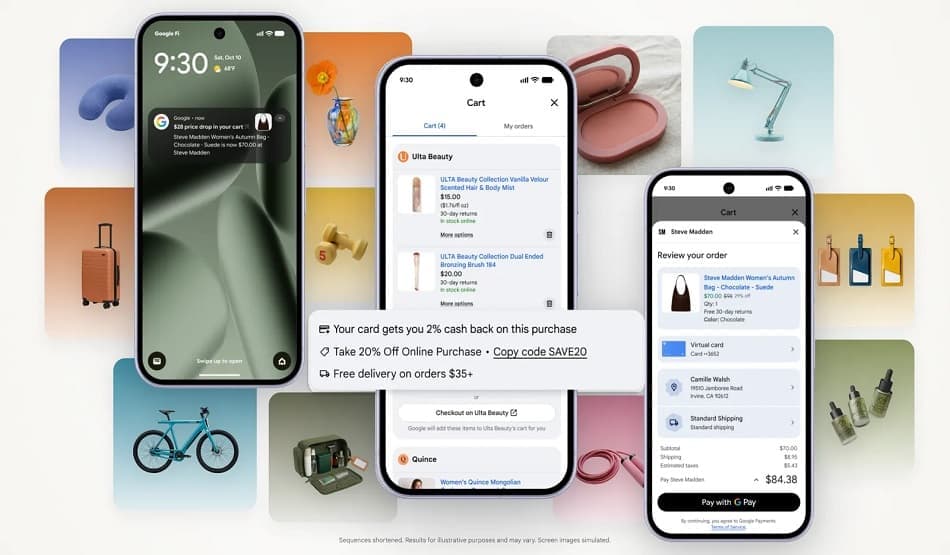
Google Launches “Universal Cart” Feature That Combines Shopping from Different Stores into a Single Cart
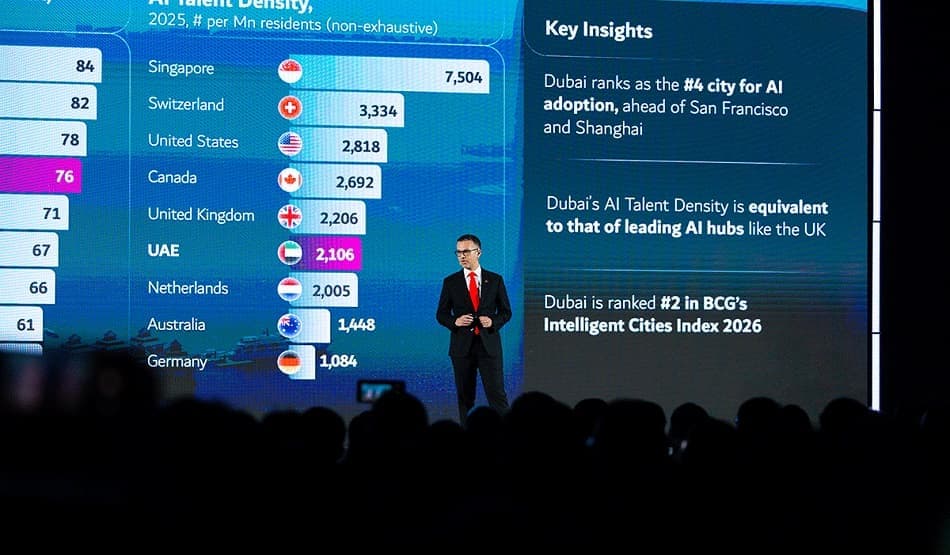
Dubai’s Population and Consumer Spending Exceed Pre-Crisis Levels
Dubai CommerCity and Tencent Cloud Partner to Drive Digital Transformation in E-Commerce

Syria Resumes Postal Services: Cooperation with Türkiye on E-Commerce on the Agenda

The week in commerce, before your competitors.
1,458 stories since January 2025, distilled into three newsletters. Pick the ones you want.