
Shein Reportedly Buys Everlane for $100 Million
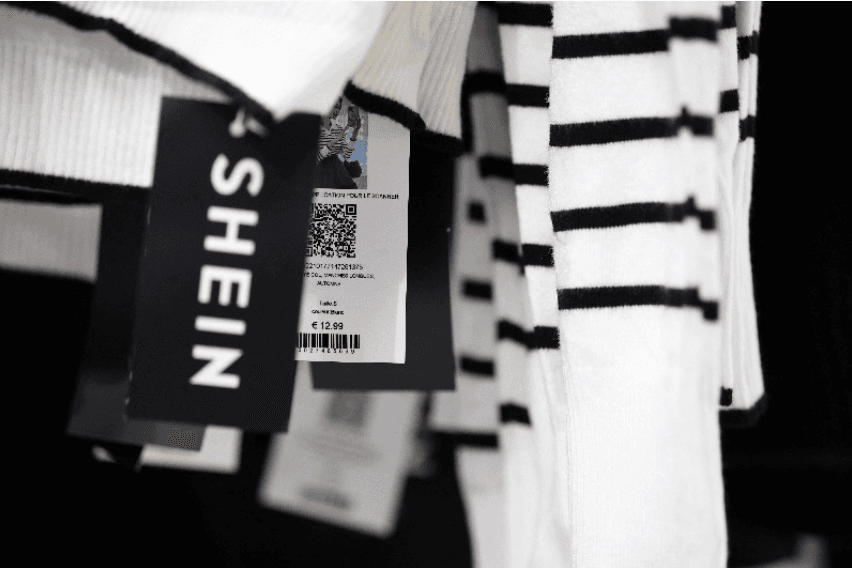
In a major development for the global cross-border digital trade sector, fast-fashion powerhouse Shein is reportedly acquiring United States-based apparel retailer Everlane from its majority owner, private equity firm L Catterton. According to initial reports by Puck News and The Information, the transaction values the San Francisco-born direct-to-consumer (DTC) pioneer at approximately $100 million.
The transaction highlights a massive valuation drop compared to the multi-million-dollar heights the brand commanded during the pandemic-era online shopping boom.
The board of Everlane reportedly signed off on the deal on Saturday, May 16, 2026. A note distributed to shareholders indicated that common stockholders will not receive a payout, reflecting a harsh exit for the startup’s early backers. While details remain unconfirmed regarding whether preferred shareholders will receive cash or equity in Shein, the underlying economic factors driving this consolidation are entirely clear.
This buyout is symptomatic of a broader consolidation wave sweeping the modern digital retail landscape. Many digital-first pioneers that flourished during the e-commerce surge of the early 2020s have since struggled to sustain operational momentum amid rising customer acquisition costs, mounting logistics expenses, and cooling macroeconomic consumer demand.
Strategy of Shein
For Shein, the corporate buyout serves multiple strategic objectives beyond simply absorbing a domestic competitor. Historically criticized by global environmental advocates for its hyper-frequent production cycles, absorbing Everlane offers Shein immediate entry into a premium, eco-aware consumer segment. It provides an immediate path to diversifying its massive portfolio into timeless, higher-margin wardrobe staples.
Ultimately, this transaction establishes a definitive precedent for the global retail industry. Brand identity and ethical marketing are no longer a sufficient safety net in a retail downturn if they lack a high-velocity backend logistics engine. This historic e-commerce brand acquisition demonstrates that the future of digital commerce belongs to conglomerates capable of marrying localized brand affinity with heavy-duty algorithmic supply chains.
Read more on
About the author
Leila Gadirli Pirgulieva
253 stories on WORLDEF since March 2026.
More from Leila Gadirli Pirgulieva →Related
Shein IPO Valuation Slips as Regulatory Pressure Weighs on Growth Prospects
Shein Expands with 600+ Sales Partners in Germany as Marketplace Growth Accelerates
Qatar Launches a New Licensing Era in E-Commerce: Covers 194 Commercial Activities

European Parliament Gives Final Approval to E-Commerce Customs Reform

The week in commerce, before your competitors.
1,458 stories since January 2025, distilled into three newsletters. Pick the ones you want.