
Cross-Border B2C E-Commerce Market to Hit USD 4,482.6B by 2029
The global cross-border business-to-consumer (B2C) e-commerce market is undergoing a transformative phase, with projections indicating that it will reach USD 4,482.6 billion by 2029, growing at a robust compound annual growth rate (CAGR) of 25.1%.

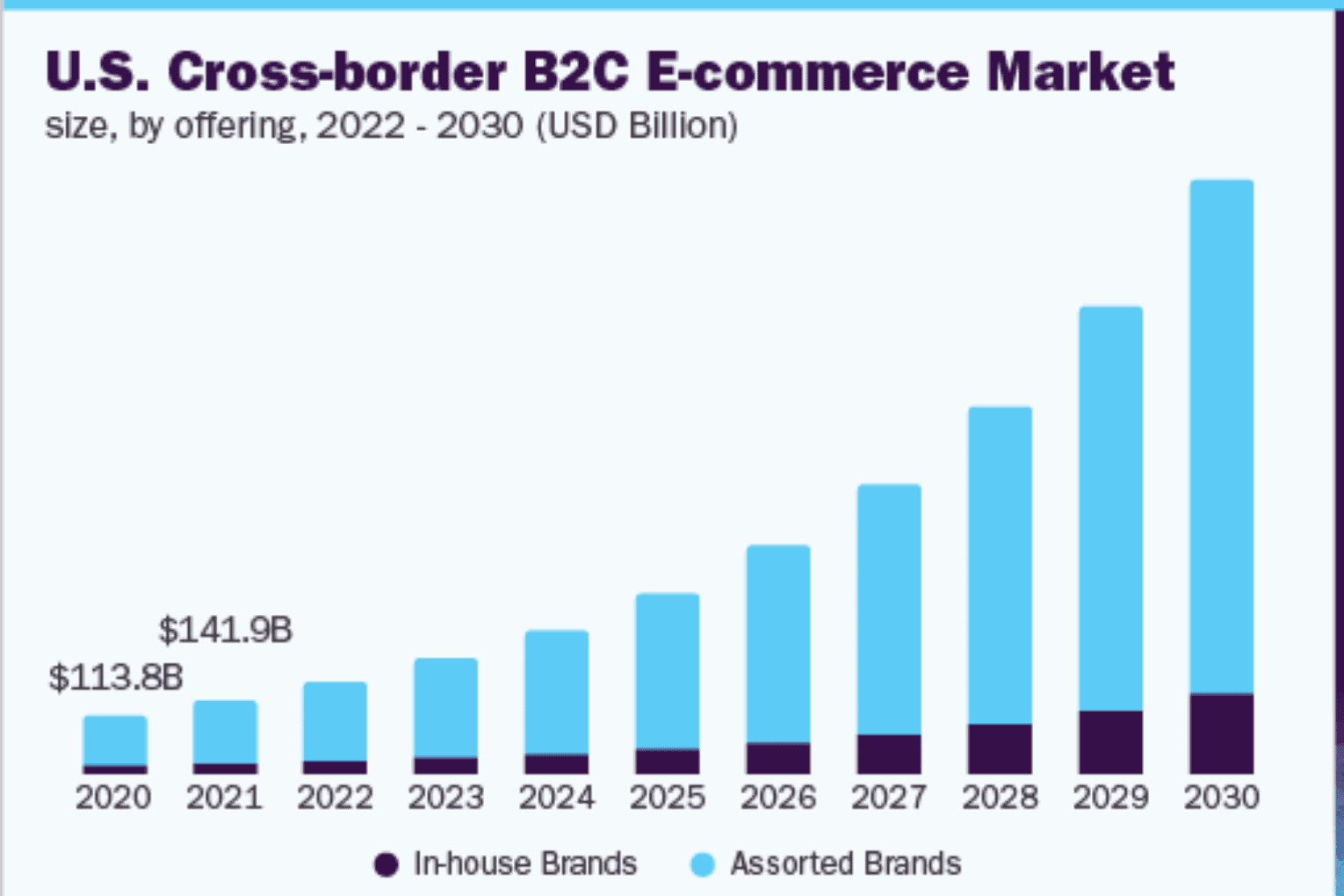
The global cross-border business-to-consumer (B2C) e-commerce market is undergoing a transformative phase, with projections indicating that it will reach USD 4,482.6 billion by 2029, growing at a robust compound annual growth rate (CAGR) of 25.1%. This unprecedented growth reflects the rising consumer preference for international online shopping, the increasing globalization of trade, and the rapid adoption of digital payment solutions. Businesses worldwide are now rethinking their strategies to capitalize on this expanding market, while consumers are benefiting from a wider selection of products, competitive pricing, and improved shopping experiences. (EIN Presswire)
Key Drivers Fueling Market Growth
Several critical factors are propelling the growth of cross-border B2C e-commerce globally:
-
Rising Consumer Demand for Global Products
Consumers are increasingly seeking products from international markets, driven by brand recognition, quality assurance, and unique product offerings not available locally. According to Grand View Research, the demand for overseas products is particularly high in categories like electronics, fashion, beauty, and health supplements. -
Advancements in Payment Solutions
The proliferation of localized digital payment options has reduced friction in cross-border transactions. Secure payment gateways, multi-currency support, and buy-now-pay-later solutions have increased consumer confidence in purchasing internationally. Companies like PayPal, Mastercard, and Stripe are playing key roles in this digital transformation. (The Business Research Company) -
Improved Logistics and Supply Chains
Efficient shipping networks, international fulfillment centers, and partnerships with global courier services have shortened delivery times. Companies are increasingly using advanced tracking systems and AI-driven inventory management to enhance cross-border logistics efficiency. -
Government Support and Trade Policies
Many countries are introducing favorable trade policies and tax regulations to encourage cross-border e-commerce. Reduced tariffs, streamlined customs procedures, and government-backed e-commerce initiatives contribute to smoother international transactions. -
Digital Marketing and AI Personalization
Businesses are leveraging AI and big data analytics to offer personalized shopping experiences, targeted promotions, and localized content. This level of customization not only improves customer engagement but also increases conversion rates and reduces cart abandonment.
Regional Insights
The cross-border B2C e-commerce market exhibits distinct trends across different regions:
-
Asia-Pacific: Dominates the global market due to high population, smartphone penetration, and strong export infrastructure. China remains the leading hub for cross-border e-commerce, both in terms of exports and consumer adoption. India, Japan, and Southeast Asian countries are rapidly growing markets.
-
Europe: Exhibits steady growth driven by intra-European trade and a high level of consumer trust in online transactions. Countries like Germany, the UK, and France are leading e-commerce exporters and importers.
-
North America: The United States and Canada maintain strong demand for international products, particularly from Asia and Europe. E-commerce giants and regional marketplaces facilitate easy cross-border shopping experiences.
-
Latin America and Africa: These emerging markets are witnessing gradual adoption of cross-border e-commerce, supported by improving internet penetration, mobile commerce, and digital payment infrastructures. Brazil, Mexico, South Africa, and Nigeria are emerging as key markets.
Understanding these regional dynamics is crucial for businesses seeking to expand internationally and optimize supply chain strategies.
Market Segmentation
Cross-border B2C e-commerce can be segmented based on product type, platform, and payment methods:
-
By Product Type
-
Consumer Electronics: Smartphones, laptops, and accessories account for a significant share due to high demand for imported gadgets.
-
Fashion and Apparel: Clothing, footwear, and accessories drive market growth with trends like fast fashion and luxury items.
-
Health and Beauty: Supplements, skincare, and cosmetic products see high cross-border demand.
-
Home and Lifestyle: Furniture, décor, and kitchen appliances increasingly purchased internationally for better variety and pricing.
-
-
By Platform
-
Online Marketplaces: Amazon, eBay, and Alibaba dominate as cross-border platforms offering multiple product categories.
-
Retailer Websites: Direct-to-consumer websites allow brands to maintain control over pricing, promotions, and customer experience.
-
Mobile Apps: The rise of mobile commerce is making cross-border purchases easier, especially in Asia-Pacific and Latin America.
-
-
By Payment Method
-
Digital Wallets: PayPal, Apple Pay, and Alipay streamline cross-border payments.
-
Credit/Debit Cards: Remain the most popular method due to global acceptance.
-
Buy Now Pay Later (BNPL): Increasingly adopted in markets with younger consumers seeking flexible payment options.
-
Challenges Facing the Market
Despite promising growth, cross-border B2C e-commerce faces multiple challenges:
-
Regulatory and Compliance Issues
Varying customs regulations, import duties, and local taxation policies can complicate transactions. Businesses must invest in legal expertise and compliance strategies. -
Logistical Barriers
International shipping delays, high costs, and inefficient return processes can affect consumer satisfaction. Companies are focusing on regional warehouses and partnerships to address these issues. -
Currency Fluctuations
Exchange rate volatility can impact product pricing and profit margins. Companies often adopt hedging strategies or offer dynamic pricing to mitigate risk. -
Data Privacy and Security
With increased international transactions, safeguarding personal and financial data becomes critical. Compliance with GDPR in Europe, CCPA in the U.S., and other regional regulations is mandatory. -
Cultural and Language Barriers
Adapting websites, product descriptions, and customer service to local languages and cultural expectations is necessary for higher engagement and conversion rates.
Technological Innovations Shaping the Future
The growth of cross-border B2C e-commerce is being accelerated by several technological advancements:
-
Artificial Intelligence (AI): Personalized recommendations, demand forecasting, and fraud detection improve efficiency and customer satisfaction.
-
Blockchain: Enhances transparency in supply chains and ensures secure cross-border transactions.
-
Augmented Reality (AR) and Virtual Reality (VR): Allow consumers to virtually try products, increasing confidence in online purchases.
-
Automation and Robotics: Streamline warehousing, packaging, and delivery, reducing costs and turnaround times.
Such innovations not only facilitate seamless cross-border transactions but also allow companies to remain competitive in a rapidly evolving market.
Future Outlook and Investment Opportunities
The cross-border B2C e-commerce market is expected to maintain its rapid growth trajectory in the coming years. Key opportunities include:
-
Expansion in emerging markets like Latin America and Africa.
-
Leveraging AI and data analytics to provide hyper-personalized shopping experiences.
-
Developing sustainable logistics practices to meet consumer demand for eco-friendly solutions.
-
Offering flexible payment options to increase consumer reach and satisfaction.
Companies that can navigate regulatory complexities, adopt technological innovations, and understand regional market nuances are poised to capture significant market share. (The Business Research Company)
Conclusion
The cross-border B2C e-commerce market is on the brink of unprecedented expansion, with projections pointing to a USD 4,482.6 billion market by 2029 at a 25.1% CAGR. Factors such as rising consumer demand, advanced payment solutions, improved logistics, and technological innovations are driving this growth.
However, businesses must also navigate challenges including regulatory differences, logistics complexities, currency fluctuations, and data security concerns. Those that successfully implement scalable, customer-centric strategies and invest in innovative technologies will likely emerge as leaders in the global e-commerce ecosystem.
As the world becomes increasingly connected, cross-border B2C e-commerce represents not just an opportunity for revenue growth but also a pathway to international market expansion, improved consumer experience, and sustainable business practices.