Amazon, Temu and Shein Warn of Delivery Delays in the Middle East as Conflict Disrupts Global Shipping Routes

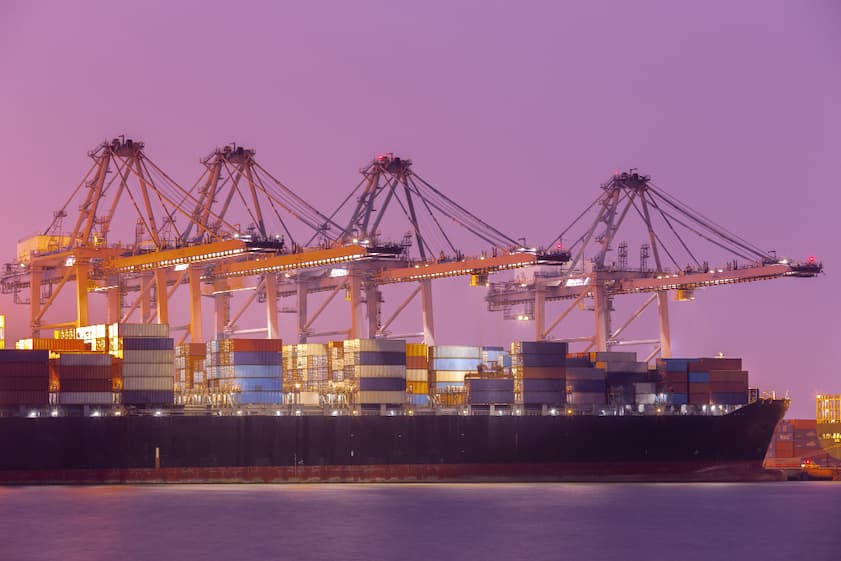
Major global e-commerce platforms including Amazon, Temu and Shein are warning customers in the Middle East about longer delivery timelines as escalating geopolitical tensions disrupt key international trade routes.
According to a report by Bloomberg, the ongoing conflict involving Iran, the United States and Israel has begun to impact global logistics networks, slowing both air cargo operations and maritime shipping into the region.
The disruptions are already affecting cross-border e-commerce deliveries, raising concerns among merchants and logistics providers that delays, rising freight costs and inventory shortages could intensify in the coming months.
Delivery Windows Expand Across Major Platforms
Data from logistics tracking platform 17Track indicates that delivery estimates across several international e-commerce platforms have lengthened since the conflict escalated.
Temu currently lists delivery timelines of 6 to 20 days, compared with its previous 7 to 15 day estimate. Fashion retailer Shein has also extended its delivery window to 8 to 10 days, up from the earlier 5 to 8 days range.
On Amazon, some products now display estimated delivery times of 35 to 45 days, while shipments previously arrived in less than 35 days. In many cases, delivery windows have increased by approximately 10 days compared with pre-conflict estimates.
Merchants Pause Shipments Amid Rising Uncertainty
The growing instability has prompted some sellers to reconsider their logistics strategies in the region.
According to Bloomberg, several Chinese merchants selling through Amazon, Shein and Temu have temporarily paused plans to ship new inventory from China to the Middle East until transportation conditions stabilize.
Huang Lun, a Chinese apparel merchant who expanded his operations to the Middle East last year, said geopolitical developments have significantly increased the risks associated with cross-border trade.
“The Middle East market is a write-off this year,” Huang said, citing rising uncertainty driven by shifting tariffs, tightening regulations in Western markets and escalating conflict in the region.
Global Shipping Routes Under Pressure
The situation is also affecting some of the world’s most critical trade corridors. Maritime traffic through the strategic Strait of Hormuz-a key artery for global shipping—has slowed as security concerns mount.
Several major shipping companies have already adjusted their operations.
MSC Mediterranean Shipping Company has halted cargo bookings to and from the Middle East, while A.P. Moller-Maersk and Hapag-Lloyd have suspended crossings through the strait.
Freight forwarders warn that if disruptions persist, shipping costs and delivery times could potentially double, placing additional pressure on cross-border sellers and logistics providers.
Ramadan Shopping Season Faces Supply Pressure
The disruptions are unfolding during Ramadan, one of the busiest retail periods across the Middle East, when consumer spending and online shopping activity typically increase significantly.
The Gulf region has emerged as a key growth market for global e-commerce platforms such as Amazon, Temu and Shein, driven by a young, digitally connected population that relies heavily on imported goods.
However, ongoing disruptions to international shipping routes and logistics networks could result in longer delivery times, higher shipping costs and potential product shortages, placing additional pressure on retailers and consumers during one of the region’s peak shopping seasons.
Source: Bloomberg