Lagos Summit Confronts AI Dreams Amid Africa’s Digital Divide
At a pivotal gathering in Lagos, Africa’s most populous city, policymakers, business leaders, and tech experts convened for the African Digital Economy and Inclusion Conference.

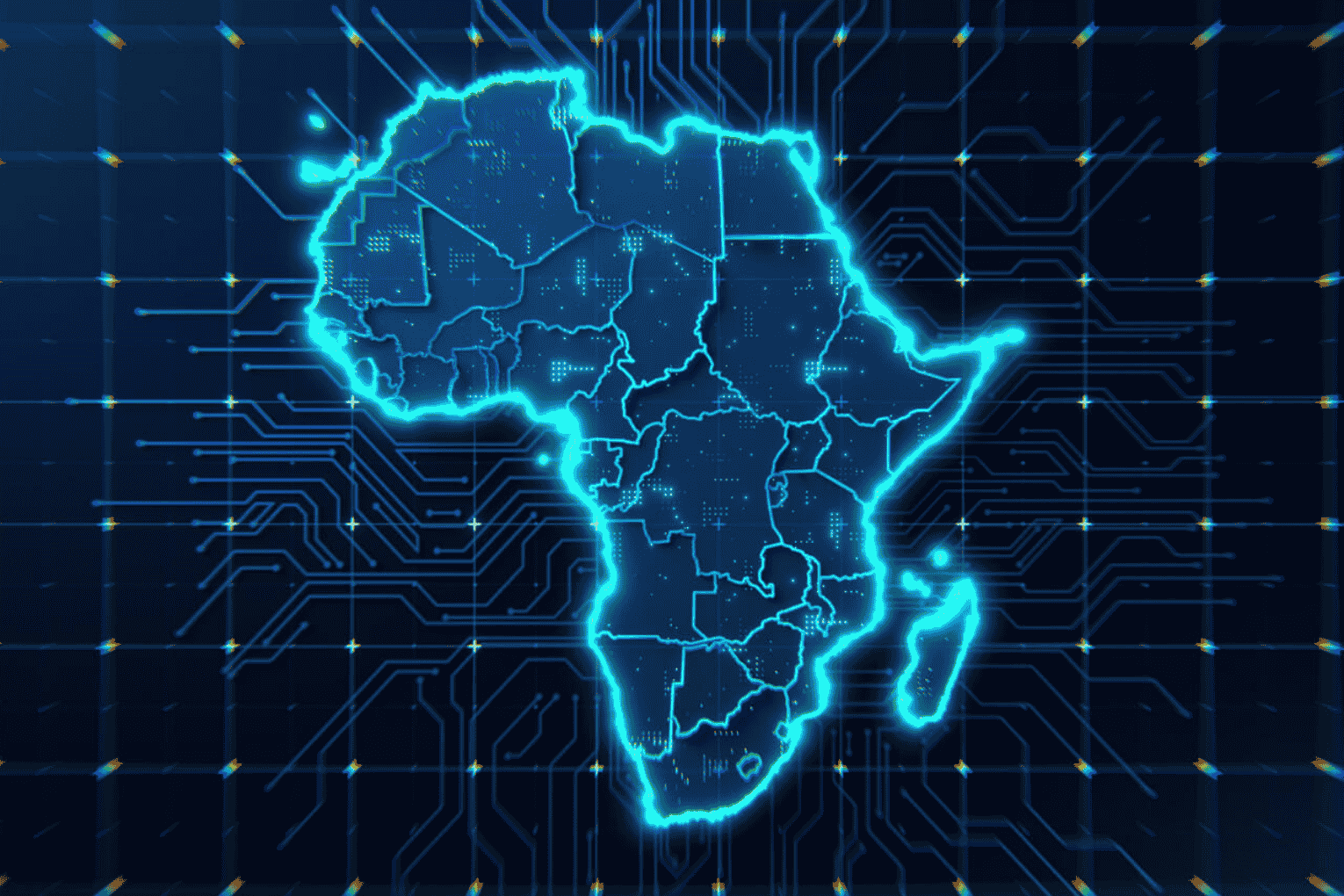
At a pivotal gathering in Lagos, Africa’s most populous city, policymakers, business leaders, and tech experts convened for the African Digital Economy and Inclusion Conference. Under the theme “AI and the African Digital Economy: Leaving No One Behind,” the summit explores how artificial intelligence can fuel economic transformation without deepening existing inequalities.
Ambition Meets Reality: Infrastructure Gaps Impede AI Adoption
Despite the promise of leveraging AI for everything from e‑commerce to healthcare, Africa faces persistent barriers: inconsistent internet connectivity, unreliable electricity, and scarce investment—especially in rural areas. These issues hinder access to digital financial services, e‑learning platforms, and inclusive innovation. The continent’s digital economy—currently valued at around €155 billion—has the potential to reach nearly €700 billion by 2050, but infrastructure shortcomings threaten to derail that growth.
Speakers stressed the critical need to pair public policy with private innovation. Key areas of focus included:
-
Deploying AI and big data for economic development,
-
Building digital identity systems to support cross‑border trade,
-
Promoting inclusion of youth and women in the digital economy.
Experts also highlighted structural challenges stemming from limited government support. Africa often relies on foreign technologies, amplifying dependency and widening gaps in domestic innovation and autonomy.
Yet, amidst these challenges, home-grown AI solutions are emerging. In Senegal, a Wolof‑speaking chatbot integrates with WhatsApp to enhance accessibility. Rwandan health initiatives are using AI for diagnostics where medical professionals are scarce. In Côte d’Ivoire, an app enables citizens to report high living costs through geolocated photos, helping authorities respond quickly.
Agriculture also benefits from AI: Cameroonian researchers have developed smartphone tools that diagnose crop diseases, while Kenyan start-ups are innovating digital solutions tailored to local needs—extending AI’s reach directly into communities.
Africa’s role in global AI is not just reactive—it could be foundational. As universities, entrepreneurs, and governments explore context‑driven applications, the summit underscores a vital opportunity: harnessing AI to bridge gaps and drive inclusive progress across the continent.