UAE Embarks on AI-Driven Transformation with National AI Strategy 2031
emphasizing AI as a fundamental driver of national progress and innovation UAE Cabinet.

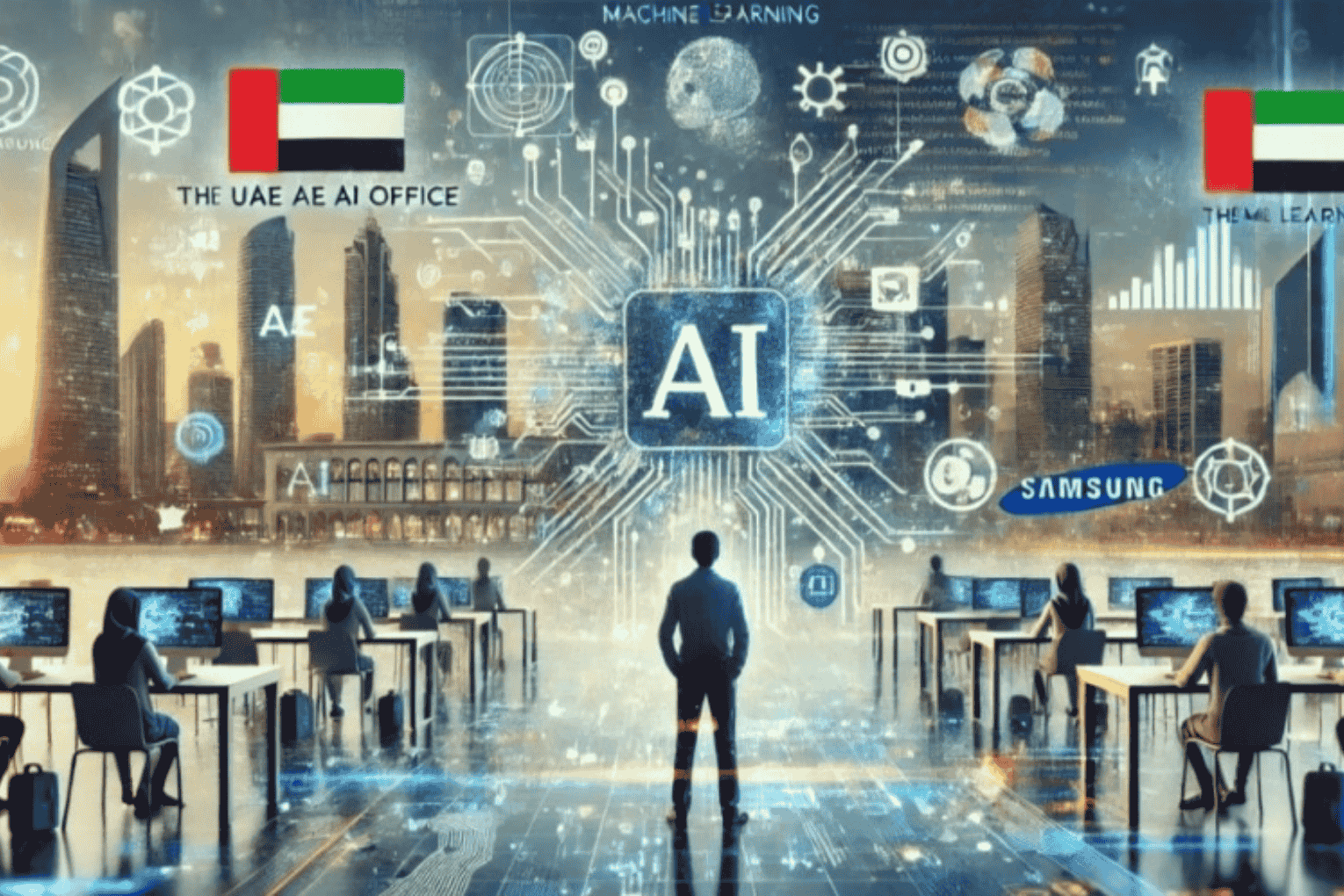
The United Arab Emirates has launched its National Artificial Intelligence Strategy 2031, aiming to transform the country into a global AI leader within a decade. Officially endorsed by the UAE Cabinet in April 2019, this long-term plan forms a core component of the broader Centennial 2071 vision, emphasizing AI as a fundamental driver of national progress and innovation UAE Cabinet.
Strategic Objectives Fueling the Vision
The strategy is built around eight interlinked objectives designed to establish a resilient AI ecosystem:
-
Position the UAE as a global AI destination, with initiatives like the “UAI” certification to strengthen credibility and attract talent UAE CabinetLinkedIn.
-
Enhance competitiveness in key sectors such as energy, logistics, tourism, healthcare, education, and cybersecurity UAE CabinetMagazine.
-
Create a vibrant AI ecosystem by supporting startups through funding, accelerators, and incentive schemes to attract foreign firms KloverGlobal AI Law.
-
Implement AI-driven government services to streamline public delivery and improve quality of life UAE CabinetTrinity Corporate Services.
-
Attract and train AI talent through programs like AI curricula, scholarships, and public training initiatives Trinity Corporate Servicesfutureuae.com.
-
Advance AI research by establishing virtual institutes and building partnerships with global institutions LinkedInfutureuae.com.
-
Invest in data infrastructure and AI-ready datasets to enable testing and innovation futureuae.comBeam AI.
-
Strengthen governance and regulation to ensure ethical, fair, and secure AI deployment LinkedInfutureuae.com.
Projected Economic Impact
The strategy is expected to contribute up to AED 335 billion (approximately USD 91 billion) to the UAE’s economy by 2031, accounting for about 14% of GDP and 20% of non-oil sectors KloverMagazine. These figures underscore AI’s central role in the nation’s economic diversification agenda.
Infrastructure and Institutional Foundations
To support these ambitions, the UAE is establishing a robust AI infrastructure:
-
The Mohamed bin Zayed University of Artificial Intelligence (MBZUAI), founded in 2019 and located in Masdar City, is the world’s first graduate research university dedicated exclusively to AI and recently launched its first undergraduate AI program Wikipedia.
-
AI-focused hubs like Hub71 (Abu Dhabi) and Area 2071 (Dubai), along with accelerators and partnerships involving Mubadala, G42, and global tech firms, form the core of a thriving AI ecosystem LinkedInlcdmedia.net.
-
Investment in cutting-edge infrastructure includes supercomputing projects such as Stargate UAE and building the world’s largest AI data center cluster in collaboration with international partners like OpenAI Financial TimesSOO Group.
AI-Powered Governance Initiatives
The UAE is breaking new ground by integrating AI into governance. A National Artificial Intelligence System will act as an advisory member in the Cabinet and federal boards by early 2026—a global first for AI in government The Sun.
Abu Dhabi also aims to become the world’s first fully AI-native government by 2027, backed by a AED 13 billion investment in digital infrastructure. This initiative will support over 200 AI-driven solutions across public services and predict a shift toward automated, efficient governance Reddit.
Sector Applications and Smart Infrastructure
AI is being deployed across vital sectors:
-
Smart city projects in Dubai and Abu Dhabi harness AI for traffic management, energy optimization, and predictive maintenance lcdmedia.netLinkedIn.
-
In healthcare, tools like RAHMA enable AI-enhanced diagnostics and personalized treatment planning lcdmedia.net.
-
Government services rely on AI for efficiency, including automation in visa processing and public administration LinkedInReddit.
-
In urban environments like Masdar City, smart grids and autonomous systems support resource-efficient living LinkedInMagazine.
Language, Research, and Inclusion
The UAE is leading AI development tailored to regional needs, such as creating Falcon Arabic an AI language model and Jais, an open-source large language model optimized for Arabic and English The Times of IndiaWikipedia. These projects reflect growing emphasis on preserving cultural and linguistic heritage through AI innovation.
Accountability and Implementation
The UAE has established structured pillars to implement its strategy: focusing on industry assets, smart governance, secure data frameworks, and talent development. A system of annual AI Value Reports will track outcomes like economic contribution, talent growth, and carbon savings Beam AI.
Challenges Ahead
Key challenges include cultivating local talent, maintaining AI ethics, ensuring data privacy, addressing algorithmic bias, and aligning with cultural norms. Investment in education and governance frameworks will be decisive for the strategy’s long-term impact Financial TimesLinkedIn.
Conclusion
The UAE’s National AI Strategy 2031 presents a holistic blueprint to integrate AI across public, economic, and societal dimensions. Backed by strong political intent, significant investments, and inclusive governance, the strategy positions the country as a global AI frontrunner. As execution continues, the next decade could witness profound transformations in how the UAE lives, works, and innovates.