
MUFG Launches $680 Million Japan Real Estate Fund to Target Distressed Assets
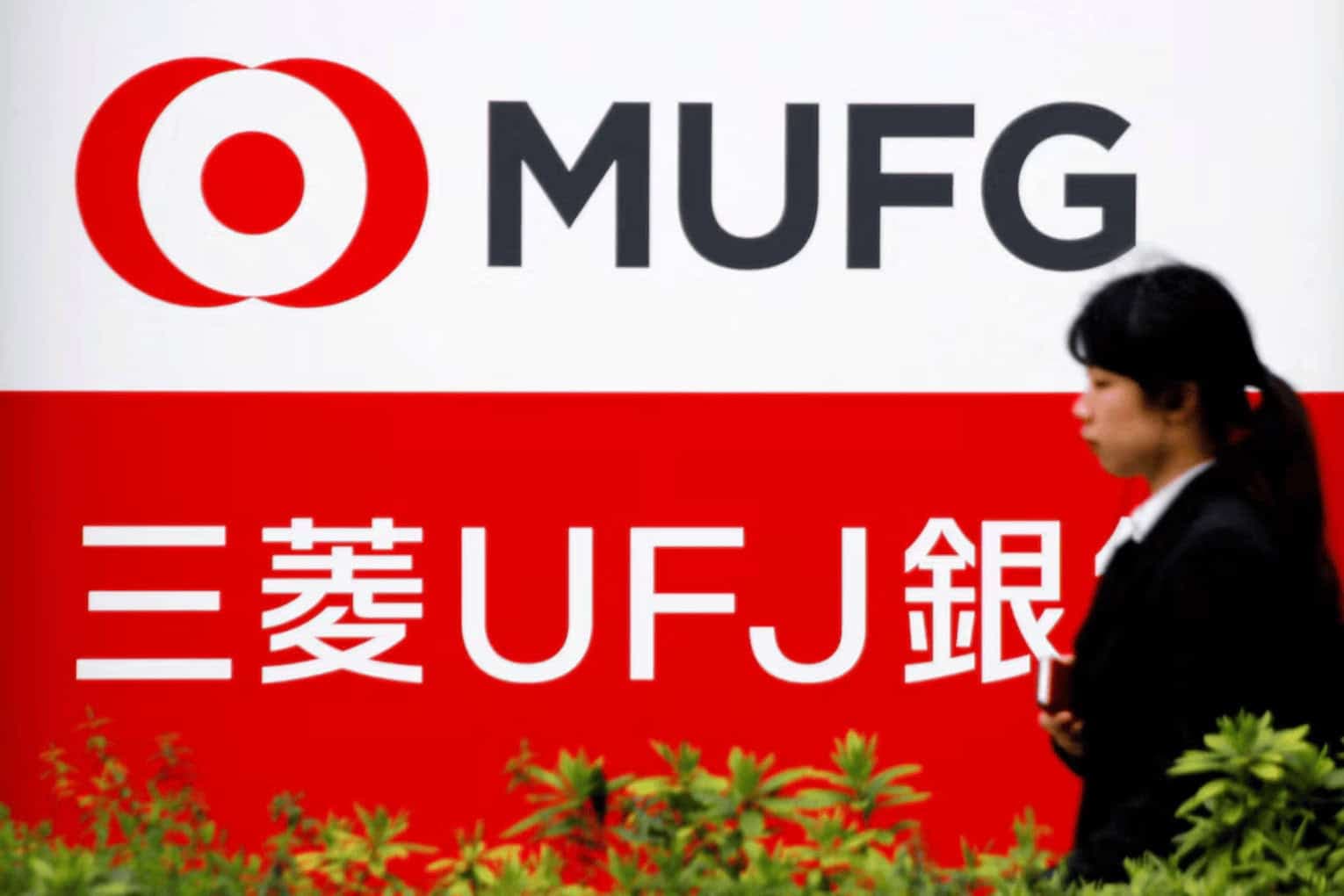
Mitsubishi UFJ Financial Group (MUFG), Japan’s largest bank by assets, has announced the launch of a new real estate investment fund worth 100 billion yen (approximately $680 million). The fund will focus on acquiring and revitalizing underperforming properties in Japan’s key metropolitan areas, including Tokyo, Osaka, and Nagoya.
The initiative, reported by Reuters (source), is expected to strengthen MUFG’s asset management arm and reflect growing demand for alternative investment opportunities in Japan’s property sector.
Fund Structure and Objectives
According to MUFG officials, the new fund will be structured as a closed-end vehicle and will raise around 30 billion yen in equity contributions from institutional investors. The remaining capital will be financed through bank loans and other forms of debt. By leveraging this model, the bank aims to maximize returns while keeping the entry point accessible for mid- to large-scale investors.
The fund represents MUFG’s second-largest real estate investment project to date. The company’s asset management unit already oversees around 500 billion yen in property-related assets, and it has set a target to expand this figure to 1 trillion yen by March 2030.
Market Timing and Interest Rate Expectations
The launch comes amid rising expectations that Japan’s long period of ultra-low interest rates may soon shift. Market observers have noted that higher interest rates could put pressure on owners of underperforming assets, creating new opportunities for buyers with strong liquidity.
Reuters emphasized (source) that MUFG’s strategy is designed to take advantage of this environment by purchasing “distressed” mid-sized offices, residential buildings, and hotels, which may be struggling due to post-pandemic market shifts and evolving tenant demand.
Focus on Key Cities
Tokyo, Osaka, and Nagoya remain Japan’s largest and most dynamic real estate markets. Tokyo in particular has seen rising international investor interest due to its role as a global financial hub and its reputation for stability.
MUFG’s fund will target mid-tier properties in these cities, where market inefficiencies often exist. The goal is to refurbish, reposition, or repurpose buildings to meet modern sustainability standards and changing tenant expectations. This strategy aligns with Japan’s broader push to upgrade its building stock and reduce carbon emissions.
Growth Ambitions and Resource Expansion
In preparation for the fund’s launch, MUFG’s asset management division has doubled its staff over the past two years. The unit is expected to continue hiring as it expands its portfolio and services for institutional clients.
The group’s ambition to double its assets under management in real estate within the next five years underscores MUFG’s confidence in the sector. Executives have signaled that the new fund will not only generate returns but also strengthen the company’s expertise in property-based investment strategies.
Broader Industry Trends
The move by MUFG reflects a wider trend among Japanese financial institutions. Asset managers and banks are increasingly turning to real estate and private markets to diversify their offerings and respond to investor demand for stable, inflation-protected returns.
Global private equity and infrastructure funds have also shown strong interest in Japanese real estate, attracted by the relatively low cost of capital and opportunities in urban redevelopment. MUFG’s entry into this space at scale suggests a growing appetite to compete directly with international players.
Japan’s Real Estate Landscape
Japan’s property sector has undergone significant changes in recent years. The COVID-19 pandemic altered demand for office space, with hybrid work models leading to reduced occupancy rates in some central districts. At the same time, the hospitality sector has faced challenges due to fluctuating tourism demand, although recovery is now underway.
Residential markets, particularly in Tokyo, have remained resilient, supported by low mortgage rates and steady urban population inflows. By targeting mid-sized assets across different property categories, MUFG’s fund aims to capture opportunities across these shifting dynamics.
Long-Term Strategy
MUFG executives have highlighted that the fund aligns with the bank’s long-term growth strategy in alternative investments. The institution has been seeking to expand beyond traditional banking services, with asset management and sustainable finance identified as key growth pillars.
In line with global sustainability trends, MUFG is expected to integrate ESG (Environmental, Social, and Governance) considerations into its property investments. Renovating aging buildings to meet higher environmental standards could not only increase asset values but also support Japan’s national carbon reduction targets.
Investor Base and Demand
The fund will initially attract domestic institutional investors, such as pension funds and insurance companies. However, MUFG has also indicated that international investors may be included in later stages, given the rising global appetite for Japanese real estate.
Market analysts suggest that investors are particularly interested in Japan’s mid-market segment, where competition is lower compared to large-scale trophy assets. This segment also provides greater flexibility for repositioning and redevelopment strategies.
Conclusion
MUFG’s launch of a 100 billion yen real estate fund marks a significant step in the bank’s evolution as an asset manager. By targeting distressed assets in Japan’s largest metropolitan areas, the institution is positioning itself to benefit from changing market conditions, rising interest rates, and growing investor demand for alternative asset classes.
The fund highlights both the challenges and opportunities in Japan’s real estate market. While structural shifts continue to reshape demand for office, residential, and hotel properties, MUFG’s strategy aims to capitalize on these trends with a long-term, sustainable approach. With ambitions to double its real estate portfolio by 2030, MUFG is set to play a central role in shaping the future of Japan’s property investment landscape.
Read more on
About the author
WORLDEF Editors
921 stories on WORLDEF since January 2025.
More from WORLDEF Editors →Related
Russian E-Commerce Market Faces Loss of 400 Million Orders and 400 Billion Rubles in Revenue

YouTube and Amazon Form Major E-Commerce Partnership: Videos Turn Into Shopping Channels

IGEXX 2026 to Bring Global E-Commerce Leaders to Istanbul

Dubai Economic Zones Reach 96% Occupancy as Company Numbers and AI Activity Surge
The week in commerce, before your competitors.
1,458 stories since January 2025, distilled into three newsletters. Pick the ones you want.