
Dark Stores Revolutionize e-Commerce Fulfillment in MENA Region
With rapid urbanization and growing consumer expectations, dark stores are becoming a core part of the e-commerce infrastructure in MENA
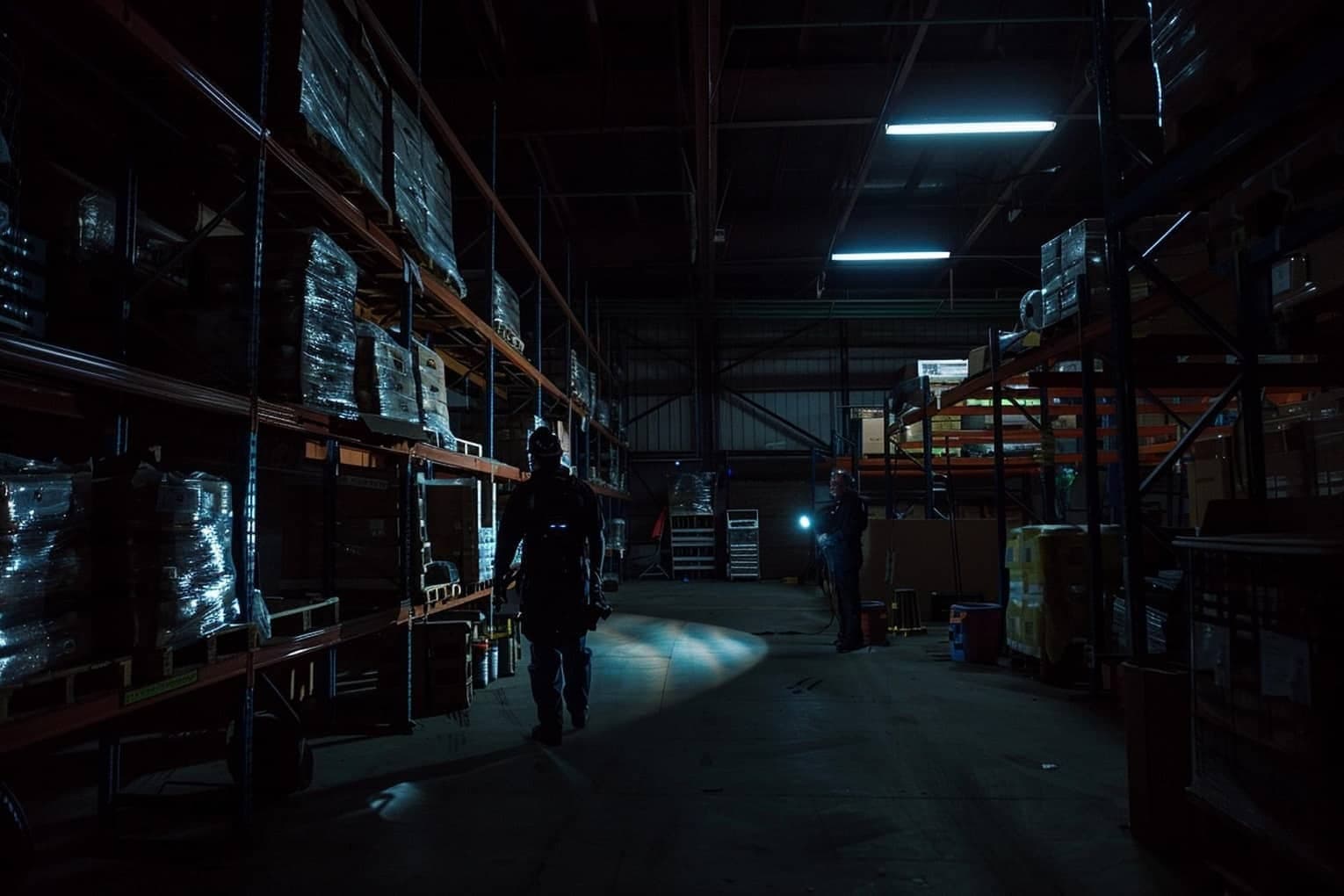
The Middle East and North Africa (MENA) region is experiencing a rapid transformation in its e-commerce sector, driven by rising consumer demand for speed, convenience, and reliability. The growth of digital retail is now being supported by an innovative solution: dark stores.
These fulfillment hubs, along with micro-fulfillment centers (MFCs), are emerging as crucial components in the next phase of e-commerce in the region, enabling businesses to meet the increasing expectations for ultra-fast delivery and operational efficiency.
Meeting the Demand for Ultra-Fast Delivery
In urban centers like Dubai, Riyadh, and Cairo, the need for near-instant delivery is growing rapidly. Consumers expect everything from groceries and personal care products to ready meals delivered to their doorsteps in under 30 minutes. However, fulfilling these demands from centralized warehouses is neither cost-effective nor feasible.
This is where dark stores come into play. Dark stores are small, fulfillment-only facilities located within or near residential areas, bridging the gap between consumers and retailers. These facilities are dedicated to fulfilling online orders, drastically reducing delivery times. Micro-fulfillment centers enhance this process by utilizing automation, robotics, and optimized inventory systems, making picking and packing more efficient.
UAE and Saudi Arabia Embrace the Dark Store Model
In the UAE, logistics company EMX has launched a new dark store network to support the region’s growing e-commerce industry. By utilizing these distribution centers, e-commerce businesses can enhance delivery speeds and offer additional services like “click-and-collect,” which allows customers to pick up their orders at designated locations.
In Saudi Arabia, SAL, a leading logistics provider, launched its Fulfillment Business Unit to further streamline operations in the Kingdom. By leveraging its expansive logistics network, SAL is able to offer integrated fulfillment services that cater to the growing demand for efficient e-commerce solutions in the region.
Boosting Cost Efficiency and Operational Scalability
Dark stores and MFCs are not only critical for speed but also play a vital role in improving the cost-effectiveness of last-mile delivery. By positioning fulfillment hubs in high-demand urban areas, retailers can reduce transportation distances, lowering fuel and labor costs. Automation technologies within these centers further enhance efficiency, reducing labor costs and minimizing error rates in the order fulfillment process.
As labor costs rise in the region, automation provides a stable foundation for scaling operations, ensuring that businesses can handle increased demand without significantly increasing operational expenses.
The Rapid Growth of MENA’s E-Commerce Market
The e-commerce sector in MENA is experiencing exponential growth, particularly in the quick commerce segment, which includes products like food, groceries, and ready meals. This segment is expected to expand at a compound annual growth rate (CAGR) of over 20% in the coming years. According to research by Grand View Research, the global dark store market is projected to grow at a CAGR of 36% to reach $129 billion by 2030. The MENA region is expected to see a similar growth trajectory, with the dark store market estimated to reach $12.1 billion by 2030.
Overcoming Operational Challenges
Despite their potential, dark stores and MFCs come with challenges. Real estate in urban centers is expensive, and setting up these facilities with the required technology and staffing involves significant upfront costs. Moreover, ensuring consistent demand density, managing fragmented inventory, and coordinating supply replenishment across multiple nodes adds complexity to operations.
Competition in the region is also fierce, with traditional supermarkets, e-commerce platforms, and quick commerce businesses all vying for a share of the market. Consumer expectations around free or low-cost delivery continue to put pressure on profit margins.
Strategic Imperatives for MENA Retailers
For e-commerce businesses in MENA to thrive, dark stores and MFCs are no longer optional; they are essential. Key strategies include:
- Network Planning: Utilize data to strategically locate dark stores where demand is concentrated, ensuring high throughput per node.
- Hybrid Models: Combine dark stores with regional hubs and mobile fleets to balance cost, coverage, and speed.
- Technology Integration: Implement AI-driven solutions for inventory management, demand forecasting, and automation of sorting and picking processes.
- Outsourcing: Smaller retailers can partner with third-party fulfillment providers to access dark store capabilities without large capital expenditures.
As the MENA region continues to urbanize and consumer expectations evolve, dark stores and micro-fulfillment centers are positioning themselves as foundational elements of the future e-commerce landscape. Businesses that fail to invest in this infrastructure risk falling behind in an increasingly competitive market.
Abu Dhabi Unveils Its First Licensed Driverless Delivery Pods in Masdar City
Read more on
About the author
WORLDEF Editors
921 stories on WORLDEF since January 2025.
More from WORLDEF Editors →Related
Amazon Tightens Fulfilled by Merchant Requirements Across Europe
DHL and USPS Sign $10 Billion Deal to Reshape U.S. E-Commerce Deliveries
Dubai CommerCity Unites E-Commerce Logistics and Customs Processes in a Single Ecosystem
ENOC & 7X Partner to Unlock 5 New Digital Logistics Opportunities in UAE

The week in commerce, before your competitors.
1,458 stories since January 2025, distilled into three newsletters. Pick the ones you want.