
Dubai Mainland Permit for Free Zone Firms
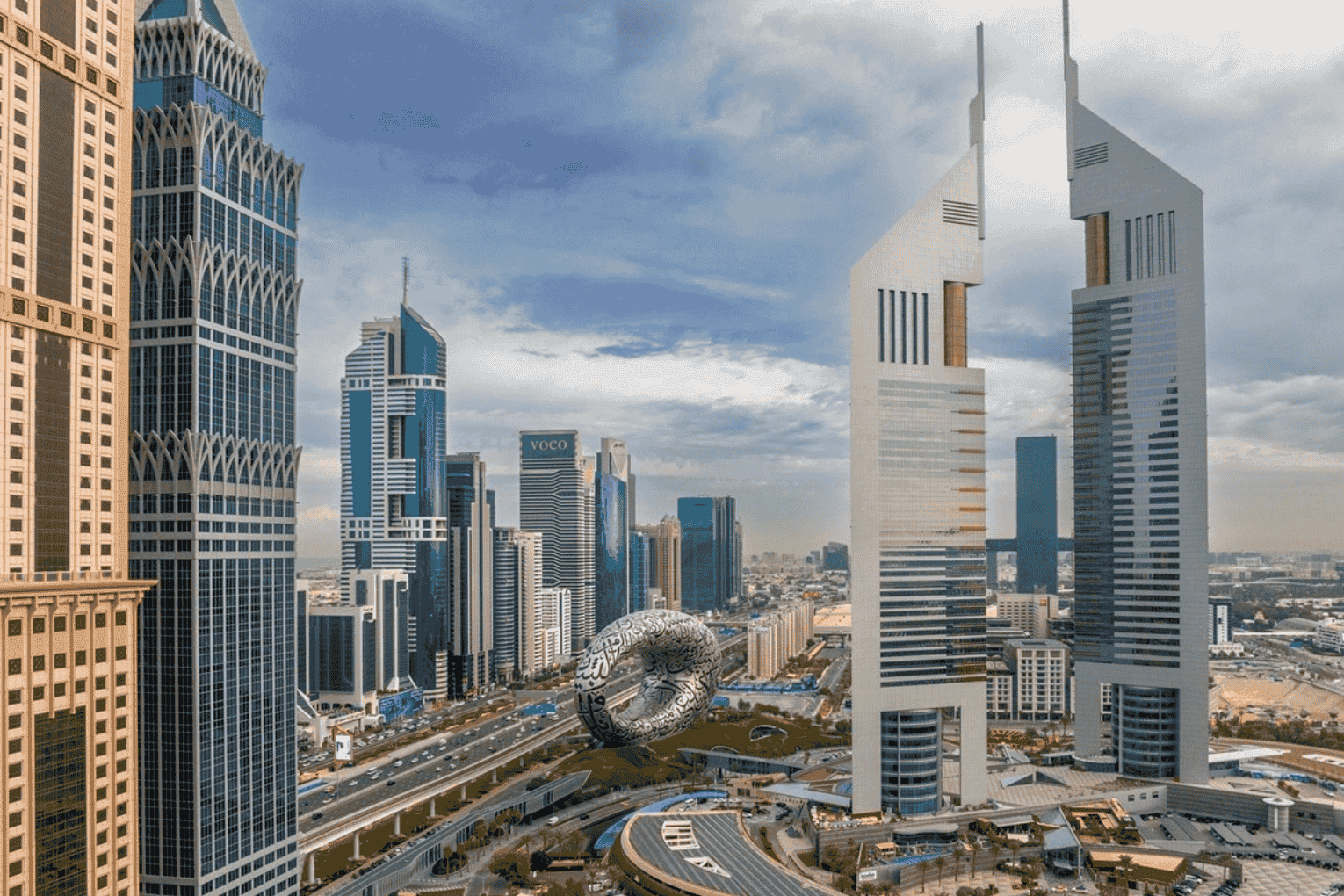
Dubai’s Department of Economy and Tourism (DET) has announced a new initiative allowing free zone companies to operate directly in the mainland under a special Free Zone Mainland Operating Permit. This innovative measure aims to simplify the process for businesses looking to expand locally while maintaining their existing free zone structure, further enhancing Dubai’s reputation as a global center for business and investment.
The Free Zone Mainland Operating Permit, priced at AED 5,000 and valid for six months, provides companies with a low-cost and low-risk opportunity to explore the mainland market. The permit allows eligible firms to trade locally, collaborate with onshore partners, and even bid for government contracts without the need to establish a separate mainland entity. According to the Dubai Department of Economy and Tourism, the initiative represents a major step in supporting the city’s long-term vision for economic diversification and innovation.
Officials explained that the permit has been designed to reduce regulatory complexity and administrative barriers for companies already operating within Dubai’s free zones. For decades, Dubai’s free zones have played a vital role in attracting global investors and entrepreneurs by offering tax incentives, simplified setup procedures, and 100 percent foreign ownership. However, until now, companies registered in these zones were limited in their ability to conduct business directly within the mainland. The new permit effectively bridges that gap, creating a hybrid business model that combines the benefits of both jurisdictions.
A spokesperson from the Department of Economy and Tourism noted that this step aligns with the objectives of the Dubai Economic Agenda D33, which aims to double the size of the emirate’s economy within the next decade. The spokesperson stated that the new permit will enable companies to “expand strategically, engage with new markets, and contribute more actively to Dubai’s economic growth,” emphasizing the government’s commitment to maintaining a business-friendly environment. (Arabian Business)
Business analysts believe that the Free Zone Mainland Operating Permit could redefine how international firms approach the UAE market. The flexibility of operating on the mainland without undergoing full structural change allows firms to test new strategies, access local supply chains, and interact directly with government and private-sector clients. This is particularly appealing for startups and small to medium-sized enterprises (SMEs) that are eager to scale but want to avoid high costs and administrative complexity.
The new permit also complements Dubai’s broader efforts to attract and retain foreign investment. In recent years, the city has implemented a series of regulatory reforms, including full foreign ownership for onshore companies and long-term residence visas for investors, that have positioned it as one of the world’s most dynamic economies. The introduction of the Free Zone Mainland Operating Permit adds another layer of flexibility to Dubai’s business landscape, providing companies with new pathways for collaboration and growth.
According to DET, companies from all sectors can apply for the permit, including technology, logistics, e-commerce, professional services, and manufacturing. The initiative encourages cross-sector partnerships that can enhance Dubai’s competitiveness and strengthen its role as a global trade hub. The department also emphasized that free zone entities using the new permit can continue employing their existing staff, eliminating the need for additional visa processing or staffing approvals.
Experts from the Dubai Chamber of Commerce have also praised the initiative, saying it represents a logical evolution of Dubai’s economic framework. They believe it will stimulate collaboration between free zone companies and local enterprises, creating more integrated supply chains and accelerating knowledge transfer. Industry observers expect that the permit will lead to increased commercial activity and innovation, particularly in sectors that depend heavily on mobility, logistics, and technology.
Legal experts have noted that the introduction of the Free Zone Mainland Operating Permit addresses one of the most significant challenges companies have historically faced: jurisdictional limitations. With this new framework, free zone businesses can operate within mainland Dubai without compromising ownership structures or licensing status. This approach also provides greater regulatory clarity, reducing risks for foreign investors and allowing them to make informed business decisions before fully transitioning into the mainland market.
The AED 5,000 permit fee and six-month validity period make it a cost-efficient way to test mainland opportunities before committing to long-term infrastructure or staffing costs. Companies that successfully establish a foothold may later transition to full mainland licensing if they choose to expand further. Dubai’s Department of Economy and Tourism is expected to monitor the implementation of the initiative closely and may consider adjustments or extensions based on market feedback and business demand.
This move aligns with Dubai’s broader strategy to create a more agile economy capable of responding quickly to global trends. The city continues to focus on innovation, digital transformation, and sustainability as core pillars of its economic policy. The new operating permit not only supports the local private sector but also contributes to Dubai’s international competitiveness as a destination for startups, investors, and multinational corporations.
In conclusion, the launch of the Free Zone Mainland Operating Permit reinforces Dubai’s status as one of the world’s most adaptive and business-friendly cities. It provides companies, whether local or international, with the flexibility and confidence to operate seamlessly across jurisdictions. As businesses increasingly seek agile regulatory frameworks to navigate global challenges, Dubai’s latest initiative demonstrates once again why it remains a preferred hub for entrepreneurship and innovation.
Read more on
About the author
WORLDEF Editors
905 stories on WORLDEF since January 2025.
More from WORLDEF Editors →Related
Russian E-Commerce Market Faces Loss of 400 Million Orders and 400 Billion Rubles in Revenue

YouTube and Amazon Form Major E-Commerce Partnership: Videos Turn Into Shopping Channels

IGEXX 2026 to Bring Global E-Commerce Leaders to Istanbul

Dubai Economic Zones Reach 96% Occupancy as Company Numbers and AI Activity Surge
The week in commerce, before your competitors.
1,435 stories since January 2025, distilled into three newsletters. Pick the ones you want.