
JD.com Teams Up with CATL and GAC for New EV Launch
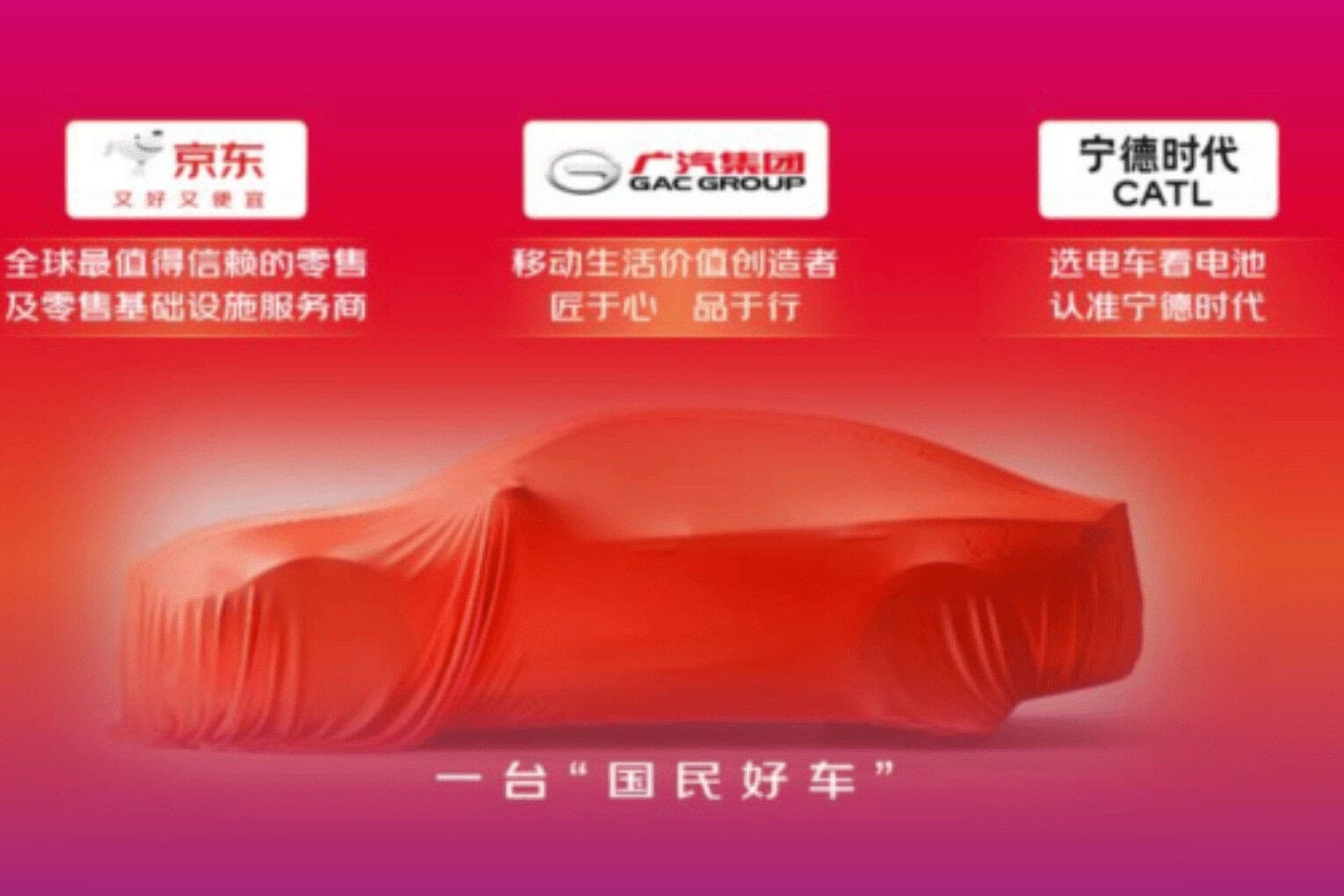
JD.com, often called “China’s Amazon,” is stepping firmly into the electric vehicle (EV) space through a high-profile partnership with battery giant CATL and automaker GAC. This collaborative effort brings together JD’s consumer reach and e-commerce infrastructure with cutting-edge battery and manufacturing technology setting the stage for a new vehicle that will debut during China’s Double 11 shopping festival. According to Gasgoo via Metal News, the project is already gaining attention. (https://news.metal.com/newscontent/103568573/JDcom-CATL-GAC-team-up-to-launch-new-vehicle-model-during-Double-11-shopping-festival)
Strategic Partnership Built on Complementary Strengths
The forthcoming car dubbed the “National Good Car” by the companies combines CATL’s Choco-Swap battery technology with GAC’s intelligent manufacturing capabilities and JD.com’s consumer insights and retail distribution. As described in media reports, the collaboration aims to span the entire automotive value chain: from development and assembly to sales and after-sales service.
CATL’s battery swap system is expected to enable faster energy swapping and reduce charging downtime, a feature that has already drawn attention in China’s EV circles. GAC, on its part, brings global R&D, safety systems, and vehicle manufacturing know-how to the table. JD.com will contribute by integrating this EV into its omnichannel retail network, offering exclusive sales through its platform.
A JD.com spokesperson clarified that the company would not act as the manufacturer but would focus on platform, retail, and consumer-facing roles. The vehicle will be sold through JD’s own channels, giving it a unique distribution advantage.
Timing, Launch & Market Positioning
The car’s official introduction is slated for the Double 11 shopping festival China’s biggest online sales day when JD.com typically draws massive consumer traffic. Test drives reportedly begin in late October, with full market release expected around November 9, per JD’s statements on social media.
By launching during Double 11, the partners aim to ride the wave of consumer attention and behavioral momentum. JD’s platform reach can help ensure high visibility and quick uptake. Early media materials suggest the target will be a balanced combination of affordability, driving range, safety, and design.
Market & Consumer Context
China’s EV market is among the most competitive globally, with incumbents like BYD, Nio, XPeng, and Tesla all vying for consumer attention. To stand out, new entrants must deliver unique propositions such as battery swapping, smart features, and retail integration.
In recent years, CATL has pushed its battery swap ecosystem aggressively, aiming to install “swap stations” across cities to allow quick battery replacement rather than traditional charging. GAC has also invested in smart vehicle architectures and has partnerships with Huawei and other tech firms. In a broader industry move, Chinese automakers increasingly emphasize modular platforms, shared architectures, and partnerships.
JD.com’s role as a well-established retail and logistics platform gives the new car project a potentially formidable edge. Consumers will be able to view, order, and service the car via a platform they already trust. The integration of retail, logistics, and vehicle services is part of a broader trend in China’s auto-tech space.
Challenges & Risks
Despite the strengths, the new venture faces notable hurdles. Automakers often grapple with regulatory approval, safety certification, and supply chain complexity. JD, CATL, and GAC will need to manage coordination across automotive, consumer tech, and energy infrastructure domains.
Battery swap technology requires a widespread, reliable network of swap stations, which involves substantial capital investment and regulatory negotiation. Ensuring that swap stations cover cities and urban districts densely enough for consumer confidence is a significant execution task.
From a brand perspective, consumers may hesitate to buy a car from a retail or e-commerce platform without tested automotive credentials. JD and partners will need to establish trust through warranties, after-sales service, and long-term reliability.
Margins in EV production tend to be thin during early volumes. Achieving economies of scale and optimizing cost structures will be critical if the vehicle is to remain affordable while turning a sustainable business.
Forecast & Strategic Implications
If successful, this collaboration could reshape how EVs are marketed and sold in China, and perhaps beyond. Retail platforms like JD could become vehicle launchers, not just product sellers. The model of combining battery technology, manufacturing, and retail into a single consumer ecosystem might emerge as a blueprint for future mobility ventures.
Some analysts believe that within a few years, China’s top e-commerce platforms may dominate EV distribution, especially for mid-tier models that appeal to mass urban markets.
For CATL and GAC, this venture allows them to extend their influence beyond component sales and manufacturing into the retail experience. For JD.com, it aligns with its ambition to diversify beyond pure retail into new verticals in tech, mobility, and consumer electronics.
In the near term, all eyes will be on how well the first vehicles replicate on-paper promises, how users react, and how the partnership scales its infrastructure. Performance under real-world conditions, battery longevity, swap system reliability, service networks will make or break the venture.
Conclusion
The JD-CATL-GAC joint EV initiative is a bold bet on the integration of mobility tech, retail infrastructure, and energy innovation. Launching during Double 11 gives the project a high-profile debut, but sustained success will depend on execution across hardware, software, and services. If it works, it might usher in a new paradigm where auto sales are not just led by brands or dealerships but overlaid on top of consumer retail platforms. This could be China’s next frontier in mobility innovation.
Read more on
About the author
WORLDEF Editors
921 stories on WORLDEF since January 2025.
More from WORLDEF Editors →Related
Russian E-Commerce Market Faces Loss of 400 Million Orders and 400 Billion Rubles in Revenue

YouTube and Amazon Form Major E-Commerce Partnership: Videos Turn Into Shopping Channels

IGEXX 2026 to Bring Global E-Commerce Leaders to Istanbul

Dubai Economic Zones Reach 96% Occupancy as Company Numbers and AI Activity Surge

The week in commerce, before your competitors.
1,458 stories since January 2025, distilled into three newsletters. Pick the ones you want.