Ozon Reports Q3 2025 Net Profit of 2.9 Billion Roubles
Russian e-commerce platform Ozon Holdings PLC (MOEX: OZON) announced a third-quarter net profit of 2.9 billion roubles, marking a notable improvement in its financial performance.

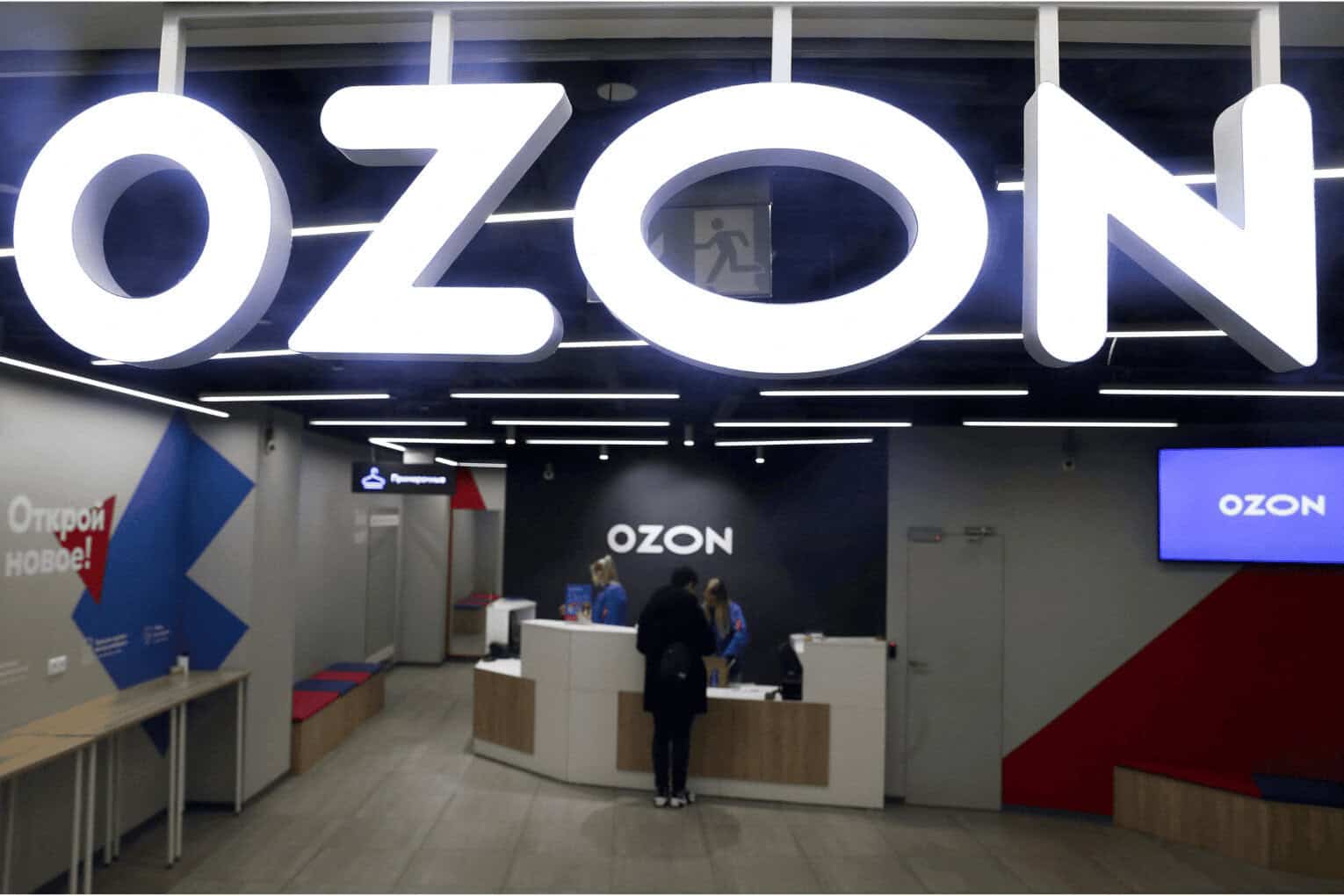
Russian e-commerce platform Ozon Holdings PLC (MOEX: OZON) announced a third-quarter net profit of 2.9 billion roubles, marking a notable improvement in its financial performance. The company reported revenue of 258.9 billion roubles for the quarter. MarketScreener
This result signals a turning point for Ozon, which has been navigating a difficult macroeconomic and regulatory environment while striving to scale its marketplace, logistics, fintech and fulfillment operations.
Financial Performance & Operational Drivers
For Q3 2025, Ozon’s net profit of 2.9 billion roubles reflects significant progress compared with prior periods. The reported 258.9 billion rouble revenue provides context for the scale of the operations behind the profitability. MarketScreener
Key operational factors likely contributing to the profit include:
-
A larger share of revenue derived from higher-margin services such as marketplace commissions, advertising and fintech related income.
-
Improved logistics and fulfillment efficiencies that reduce cost per order and enable better operating leverage.
-
Strengthening of seller-services and platform monetisation efforts, enabling Ozon to capture value beyond pure retail margins.
While Ozon has not published full line-by-line segment details in the summary cited, analysts suggest that the shift toward marketplace and services revenues has reached a maturity point where profitability becomes realistic.
Strategic Context
Amid Russia’s rapid digital-commerce growth, Ozon is one of the leading players alongside competitors such as Wildberries. The Russian e-commerce market presents both opportunity and challenge: large geography, variable infrastructure, regulatory complexity and consumer demand shifts. Historically, Ozon has made heavy investments in logistics infrastructure, last-mile delivery and fintech services to underpin growth.
With the Q3 result, Ozon appears to be transitioning toward a phase of growth with profitability rather than purely scale-for-scale’s-sake. For stakeholders, this underscores that digital-commerce platforms in large markets can move from rapid growth to sustained business models.
Implications for Investors & the Market
For investors, Ozon’s return to net profit is a strong signal of operational health and the viability of its integrated model—marketplace + logistics + fintech. Specific implications include:
-
Improved cash-flow potential and a stronger platform for future investments without excessive equity dilution.
-
Enhanced capacity to invest in logistics, technology, fulfillment and seller-services, on the back of profitability.
-
A competitive advantage over players lacking end-to-end logistics or monetisation capabilities.
For sellers and partners, Ozon’s improved results may lead to intensified focus on value-added services: advertising on the platform, logistics partnerships and fulfilment options. The profitability milestone may also position Ozon to accelerate expansion of marketplace participation and geographic coverage.
Risks & Considerations
Despite the improved result, several risks remain relevant:
-
The Russian economy remains exposed to currency volatility, inflation, sanctions risk and shifting regulatory conditions—all of which could impact consumer spending and cost structures.
-
Logistics and fulfilment outside major urban centres remain expensive and complex, which may limit margin gains as Ozon grows beyond core areas.
-
Competition remains strong in Russia’s e-commerce space—platforms, local players and international entrants may pressure seller margins and marketplace commission rates.
-
Profitability must be maintained while Ozon continues to invest in growth; balancing investment with margin discipline is critical.
Outlook & What to Watch
Key indicators for the remainder of 2025 and into 2026 include:
-
Growth in gross merchandise value (GMV) and marketplace-services revenues, and whether those expand at higher margins.
-
Metrics around cost-per-order, delivery lead time, warehouse utilisation and logistics-efficiency improvements.
-
Expansion of value-added services—advertising, fintech, fulfilment for third-party sellers—and their contribution to total revenue.
-
Capital expenditure levels and how fresh investment is balanced with profitability targets.
-
Regional expansion efforts within Russia and potential adjacent markets, and whether these scale effectively without eroding margins.
If Ozon can maintain or grow profitability while pursuing selective investments, it may solidify its position as one of Russia’s dominant integrated e-commerce platforms.
Conclusion
Ozon’s Q3 net profit of 2.9 billion roubles marks a meaningful step for the company in a competitive and complex market. While challenges persist, the shift toward profitability suggests the platform’s strategy is maturing. For investors, sellers and market participants, this performance provides a positive signal that large-scale e-commerce enterprises in regional markets can successfully combine growth with discipline.