Chinese Companies Increased Their Presence in Dubai Free Zones to Overcome Trade Barriers
Chinese companies expanded their operations in Dubai’s free trade zones throughout 2025 in order to overcome rising trade barriers and access new international markets. This trend reflected broader changes in how companies structured their overseas operations at a time when protectionist policies and supply chain restructuring were reshaping global trade.

Chinese companies expanded their operations in Dubai’s free trade zones throughout 2025 in order to overcome rising trade barriers and access new international markets. This trend reflected broader changes in how companies structured their overseas operations at a time when protectionist policies and supply chain restructuring were reshaping global trade.
According to reporting by the South China Morning Post, Dubai’s free zones became increasingly attractive to Chinese firms seeking stable and well-connected hubs that provide access to markets in the Middle East, Africa, and Europe. This trend accelerated as geopolitical and regulatory uncertainties affected traditional trade routes and production centers.
The Number of Chinese Companies in Free Zone Jafza Exceeded 500
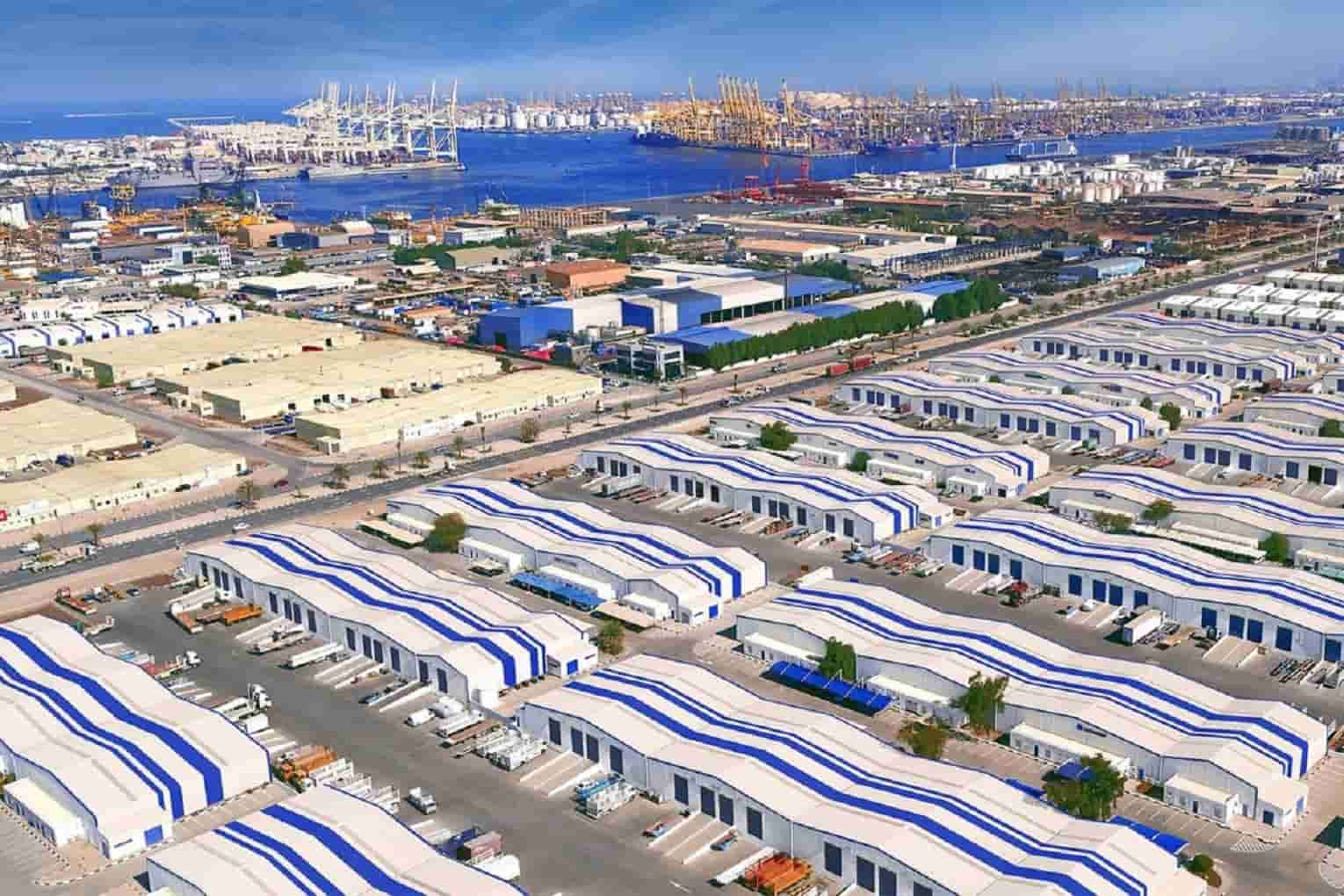
One of the strongest indicators of this trend was the increase in the number of Chinese companies operating in the Jebel Ali Free Zone (Jafza). As of November 2025, 507 Chinese companies were operating in Jafza, which is managed by DP World. This figure nearly doubled the level recorded in 2021, demonstrating how rapidly Chinese businesses scaled their presence in Dubai.
Located at the western end of Dubai, Jafza stood out as one of the region’s largest and most established free economic zones. Its proximity to Jebel Ali Port, accelerated customs procedures, and structure allowing foreign ownership offered an attractive environment, particularly for manufacturers, logistics companies, and trading firms.
Chinese companies operating in the zone spread across many sectors, including electronics, machinery, consumer goods, automotive components, and industrial equipment. A large proportion of these companies positioned Dubai not merely as a local market, but as a regional headquarters and distribution hub from which they managed their multi-continental operations.
Dubai Emerged as a Neutral Global Hub
Executives at DP World emphasized that Dubai’s role became increasingly critical during a period when global trade growth slowed and protectionism increased. Abdulla Al Hashmi, chief operating officer for parks and zones at DP World in the Gulf Cooperation Council, stated that hubs in the Middle East offered companies “neutral, stable and well-connected bases from which they can operate across East-West corridors.”
This positioning proved particularly attractive for Chinese companies facing customs tariffs, regulatory scrutiny, and geopolitical tensions in other regions. Firms establishing operations in Dubai reduced their exposure to trade disruptions while gaining efficient access to global maritime shipping routes connecting Asia, Europe, and Africa.
Dubai’s legal and regulatory framework was also decisive in this process. Allowing 100 percent foreign ownership in free zones, simplified licensing procedures, and tax advantages lowered operational barriers for international companies. These advantages became especially important for firms seeking flexibility in sourcing, assembly, and re-export activities.
Broader Implications for Global Trade
The growing presence of Chinese companies in Dubai’s free zones was viewed as a broader reflection of supply chain diversification efforts that gained momentum since the early 2020s. As companies reassessed production and distribution models reliant on a single country, hubs such as Dubai stood out as neutral platforms supporting multi-market strategies.
Analysts noted that this trend aligned with China’s goal of strengthening trade ties with the Middle East and the Global South, while also reflecting efforts to adapt to a more fragmented global trading system. From Dubai’s perspective, the rising interest from Chinese companies further reinforced the city’s position as a critical logistics and trade gateway between East and West.
By the end of 2025, Dubai’s free zones assumed a central role in shaping the international operations of many Chinese companies, demonstrating that this development represented not a temporary economic response but a lasting shift in global trade dynamics.
Dubai CommerCity to Establish New E-Commerce Fulfilment Center in 2026 Amid Rising Demand