The Digital Kickoff: How the 2026 World Cup Will Affect E-Commerce

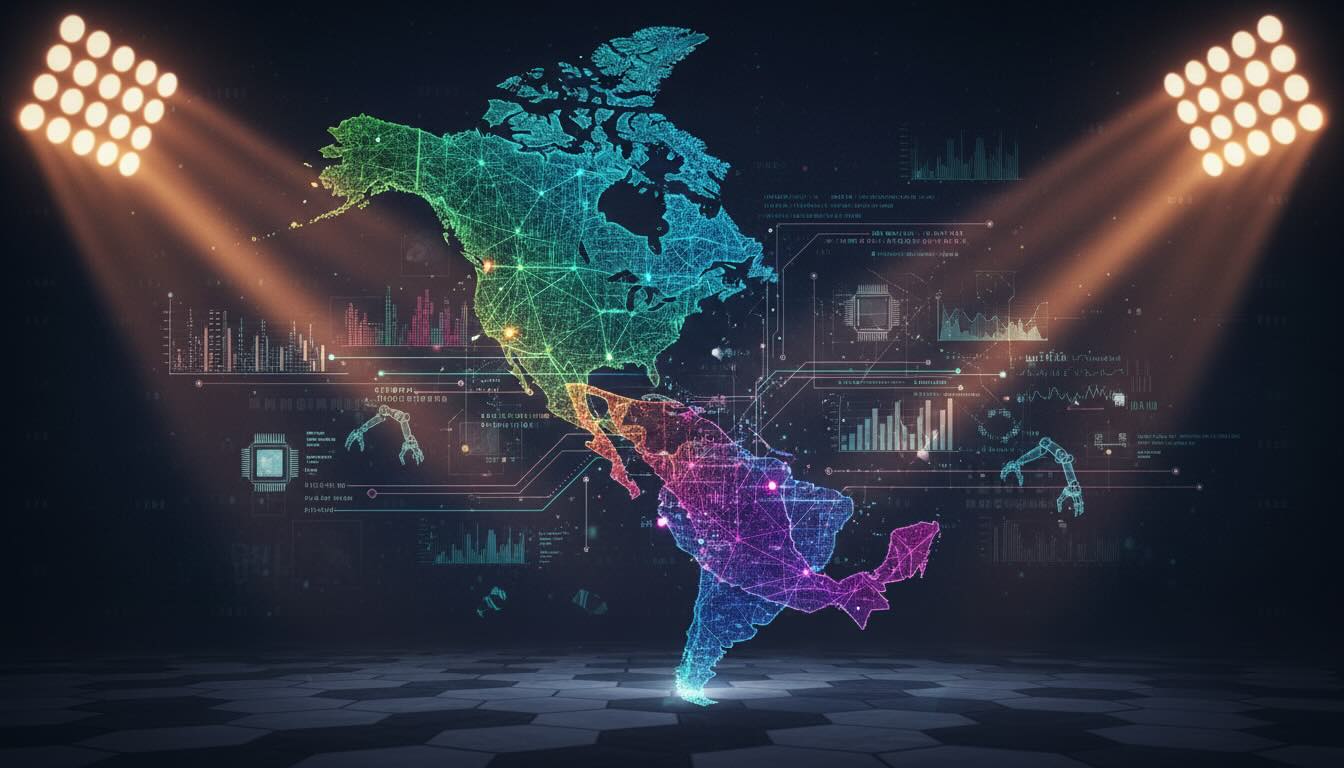
The Digital Kickoff
As we head toward 2026, the FIFA World Cup isn’t just arriving in North America; it’s arriving at the precise moment our region’s e-commerce ecosystem is primed for a major leap forward. I can tell you this: events of this scale don’t just move merchandise, they move markets.
We’re talking about a month-long tournament that will touch 16 cities, draw more than 6.5 million fans in person, and reach billions more online. According to FIFA and the World Trade Organisation, the 2026 World Cup could generate up to 40.9 billion dollars in total global economic activity, with roughly 17 billion of that expected to be spent within the United States. That’s not just stadium sales or hospitality spending, it’s a full-system boost rippling across logistics, fintech, media, and retail.
But here’s where it gets interesting for those of us who live in the e-commerce ecosystem: This World Cup will be the first true digital-first tournament. The 2018 and 2022 editions hinted at it, record mobile engagement, influencer activation, and real-time campaigns, but 2026 will be where those trends mature into the main event. Live commerce, ultra-fast fulfillment, connected event tech, and data-driven fan engagement will converge into a new retail model that blends emotion, experience, and immediacy.
Every World Cup drives spending, but 2026 arrives at the perfect technological moment. E‑commerce penetration in the U.S. is approaching 20 percent, and mobile commerce alone is expected to exceed 900 billion USD by then. Mexico’s Mercado Libre has reported over 30 percent year‑on‑year growth, while Canada forecasts nearly 4 billion CAD in GDP contribution tied directly to tournament‑related activity.
FIFA’s own digital engagement from Qatar 2022 exceeded 5 billion interactions. In 2026, those same behaviors will merge with smarter advertising, retail media networks, and live shopping ecosystems. InternetRetailing projects a 10.5 billion USD surge in global ad spend during the event, with retailers capturing the lion’s share through programmatic, AI‑driven placement.
The World Cup will therefore act as a real‑time pressure test on supply chains, customer experience, and cross‑border commerce, the foundational pieces of our industry.
A New Chapter: The First AI World Cup
What makes 2026 distinct from any previous tournament is intelligence. This will be the first truly AI‑powered World Cup, where almost every part of the experience is guided by machine learning.
FIFA and its partners, including IBM, AWS, and Cisco, are deploying predictive systems for ticketing, transport, and venue logistics. These tools analyse live mobility and weather data to forecast demand and automate decisions on staffing, security, and fan flow. What fans will feel is smoothness: faster entry lines, accurate routing, stable connectivity, and instant mobile services.
Behind the scenes, broadcasting will be equally transformed. Generative AI will automatically create highlight reels, translate commentary into multiple languages, and tailor content to individual viewers. A Canadian fan streaming on a phone might receive local sponsor offers and French commentary, while a viewer in Mexico sees Spanish narration and Mercado Libre product links during the same live moment.
For e‑commerce professionals, this is where the real revolution begins. 2026 will mark the rise of agentic commerce transactions, initiated and optimised by AI agents acting on behalf of both consumers and retailers.
Imagine landing in Los Angeles for a match and finding that your phone’s digital assistant has already assembled your essentials: official team merchandise, local SIM card, transit pass, and travel insurance, all checked out with one approval. These are intelligent systems predicting your needs before you articulate them.
Major platforms are already preparing. Amazon’s conversational assistant can now generate entire product ensembles via voice. Mercado Libre experiments with AI chat agents that compare prices in real time, while Walmart tests predictive replenishment based on event calendars and social sentiment. During the World Cup, these systems will merge with fan data streams, creating live, contextual commerce that feels spontaneous yet highly orchestrated.
On the operations side, machine learning will manage availability and logistics. Demand forecasting will integrate ticket scans, match schedules, weather forecasts, and online chatter. Inventory will shift dynamically to warehouses nearest to trending teams. The result is a supply chain that thinks.
AI‑Supported Commerce in Action
- Predictive pricing models will adjust merchandise costs minute‑to‑minute based on score lines, player performance, or local crowd demand.
- Image‑recognition tools will link on‑screen gear, a star’s boots or kit, directly to instant purchase options.
- Chatbots integrated with social platforms will act as personal sports concierges, arranging transport, accommodation, and event tickets through one conversational interface.
- Payment systems will use biometric verification and blockchain‑based settlement for faster, fraud‑resistant cross‑border transactions.
According to PYMNTS, these fintech upgrades could expand North American cross‑border payments volume by 40 percent during the tournament.
The Infrastructure Behind the Magic
All this intelligence requires muscle. Logistics providers in Mexico City and Los Angeles are already constructing micro-fulfillment hubs within thirty minutes of stadium zones. In Canada, predictive route optimisation is being built to manage weather‑related delays. Drone delivery trials are quietly expanding in Guadalajara and Dallas.
Hospitality is equally data‑driven. Hotels are adopting AI yield‑management systems that balance real‑time demand with sustainability goals. Expect to see personalised offers delivered to guests’ phones during matches, everything from last‑minute suite upgrades to curated local experiences.
Why World Cup 2026 Matters?
Major events have always pushed commerce forward. The 2008 Beijing Olympics accelerated mobile payments in China; the 2014 Brazil World Cup reshaped global social advertising. The 2026 edition will fuse those lessons into a single ecosystem: AI‑driven, real‑time, and borderless.
For North America, it’s also a test of integration. The tri‑nation hosting model means harmonizing currencies, taxes, freight corridors, and data standards across three regulatory environments. If this collaboration succeeds, it could become the blueprint for next‑generation regional trade.
Beyond the Pitch: The Legacy of 2026
Living in Dubai for the past five years, I’ve watched as data and AI have turned the city into a living retail laboratory. What’s happening here, predictive logistics, cryptocurrency payments, and autonomous store models, offers a glimpse of what North America will experience in 2026. The same intelligence driving Expo 2020 or GITEX showcases will now power one of the world’s most emotional events.
This is no longer about “e‑commerce” versus “traditional retail.” It’s about commerce itself becoming aware, understanding intention, reacting instantly, and connecting supply to emotion faster than any manual system ever could.
By the time the final whistle blows in 2026, the winners will not only be on the pitch. They will be the retailers, platforms, and innovators who prepared early, built intelligent systems, and turned fan passion into sustainable digital growth.
The World Cup has always celebrated human performance. This one will celebrate human creativity amplified by the intelligence of machines.