
Alibaba Made a Visual AI Move Against Meituan
Alibaba Group Holding intensified competition in China’s food and local services market by offering artificial intelligence–powered tools that would help restaurants showcase their venues more effectively in the online environment.

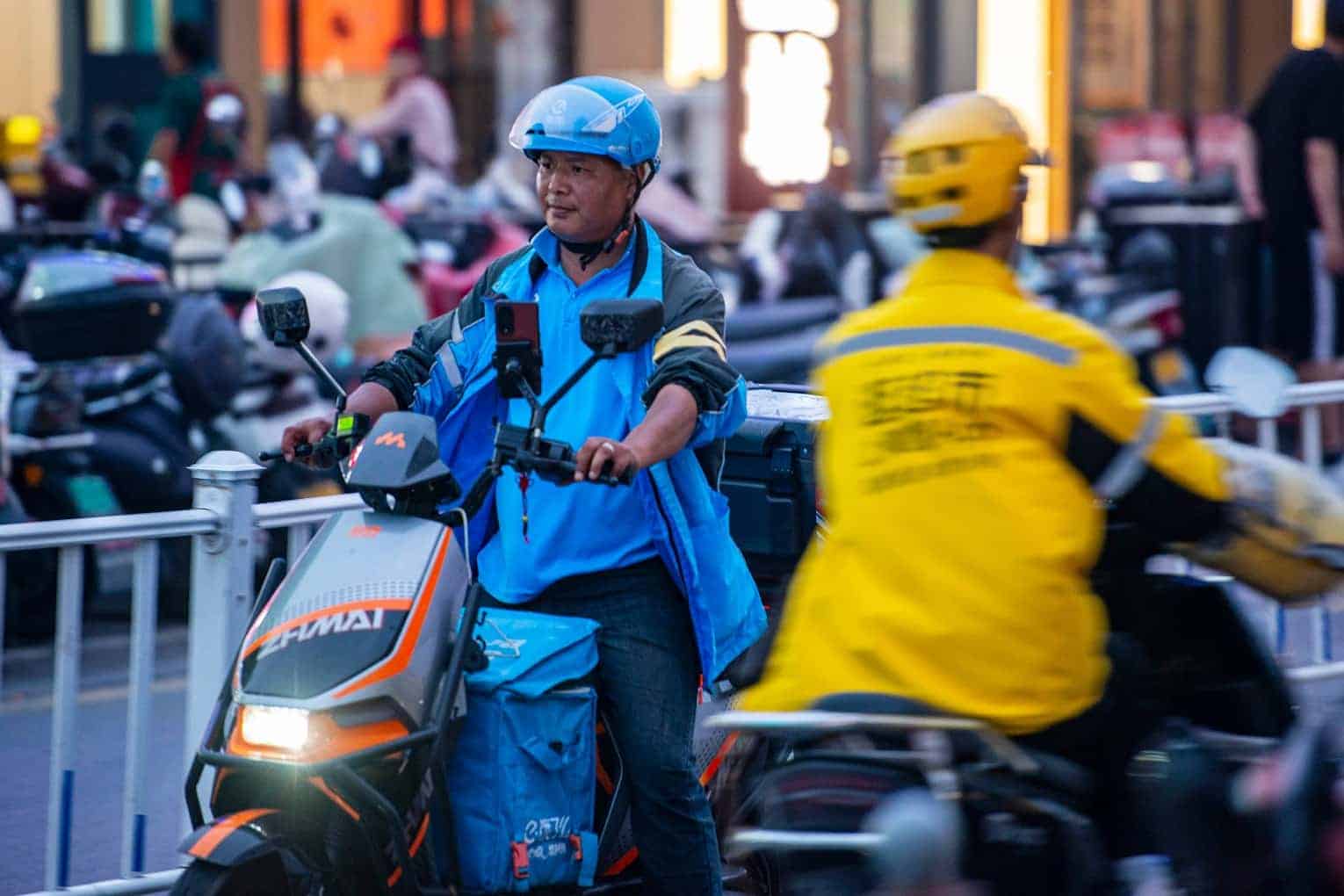
This move by Alibaba drew attention as part of the company’s effort to regain ground it had lost against Meituan, which in recent years had risen to a leading position in food delivery, reviews, and restaurant reservations. The initiative was assessed as part of a broader strategy in which Chinese technology companies were making greater use of artificial intelligence to strengthen their existing businesses and create new growth areas amid a slowing domestic demand environment.
Amap Offered Artificial Intelligence–Powered Visual Tools for Restaurants
Alibaba’s maps and local services unit Amap, according to sources close to the matter, prepared to roll out a feature that would allow restaurants to create three-dimensional visuals of their interiors simply by uploading video or photographs. This service was aimed at reducing marketing and promotion costs, especially for small and medium-sized businesses.
It was stated that the technology was built on Alibaba’s own visual artificial intelligence infrastructure and that it was planned to be offered free of charge to selected businesses for a certain period. Sources said that the trial period was intended to encourage businesses and demonstrate the system’s benefits before a broader rollout.
This feature, which enabled restaurants to present their venues more compellingly on local search and discovery platforms, aimed to increase user engagement and strengthen businesses’ visibility.
Competition With Meituan in Local Services Intensified
This step clearly set out Alibaba’s goal of competing with Meituan, the market leader in food delivery and local services in China. Meituan had secured a strong position in the sector by bringing together delivery, user reviews, and reservations within a single ecosystem. Alibaba, after scaling back its aggressive spending in past years, had lost market share in food delivery and related areas. By contrast, Meituan had reinforced its leadership by investing heavily in logistics infrastructure, tools for businesses, and consumer incentives.
The artificial intelligence–based visual features offered through Amap were assessed as a reflection of Alibaba’s search for differentiation not only through price and delivery speed, but also by improving the discovery and evaluation experience.
Alibaba Shaped the Process With High Investments and Regulatory Pressures
In 2025, Alibaba allocated tens of billions of yuan in incentives and subsidies to its most popular online services in order to compete with Meituan and JD.com. This move created a three-way competitive environment among China’s largest consumer internet platforms, putting pressure on profit margins.
Subsidies and price competition also drew the attention of Chinese regulatory authorities. Officials warned companies about excessive competition that could disrupt the market and harm businesses, calling for a focus on sustainable growth instead of long-term strategies based on cash burn. In this environment, Alibaba placed greater emphasis on technology-based differentiation rather than financial incentives, positioning artificial intelligence as a tool that delivered efficiency and business benefits.
Use of Artificial Intelligence Reflected the Broader Industry Trend
Alibaba’s visual artificial intelligence move paralleled the tendency of Chinese technology companies to integrate artificial intelligence into existing platforms rather than offering it as standalone products. Across maps, e-commerce, logistics, and content platforms, artificial intelligence–powered features were used both to enhance user experience and to reduce operational costs.
From Alibaba’s perspective, the Amap initiative aligned with a broader strategy to integrate artificial intelligence across the entire ecosystem, including search, recommendation systems, and business solutions. The company anticipated that advanced visual tools would provide consumers with richer information when choosing restaurants, while also making it easier for businesses to attract customers.
By the end of 2025, Alibaba’s artificial intelligence–focused approach showed that competition in China’s local services market was shifting toward differentiation through technology rather than scale and subsidies. While it remained uncertain whether visual artificial intelligence tools would deliver a meaningful increase in market share against Meituan, the move demonstrated Alibaba’s determination to regain strength in one of the sector’s most competitive arenas.
Alibaba Rebrands Ele.me as Taobao Instant Commerce Amid Instant-Retail Push