
Impact of ‘De Minimis’ Exemption: 54% Drop in Parcels Coming to the U.S.
The ‘de minimis’ exemption, which ended in August in the U.S., has led to significant changes for international shipments. The end of the exemption has impacted businesses, consumers, and global trade. Since its removal, the number of parcels valued under $800 entering the U.S. has decreased by 54%. This shift has caused ripple effects both within the U.S. and in global markets.

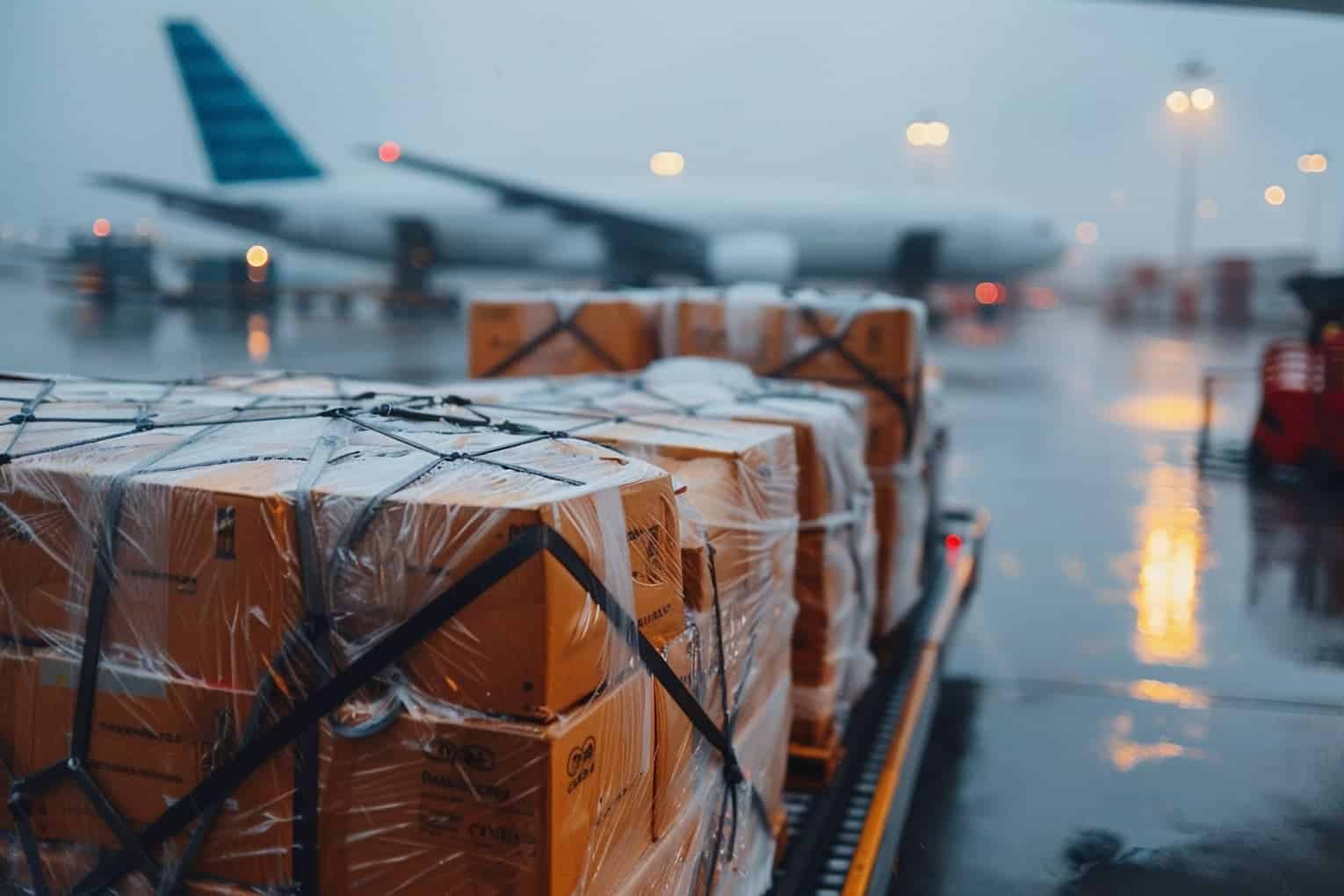
The ‘de minimis’ exemption was a rule that allowed products valued under $800 to enter the U.S. tariff-free. Until 2025, it was an important part of U.S. trade policy. This exemption had provided a significant advantage, especially for e-commerce giants like Shein and Temu, which shipped hundreds of millions of parcels annually.
Trump Labeled De Minimis a “Big Scam”
However, this exemption began to come under criticism from the Trump administration. In February 2025, President Donald Trump referred to the rule as a “big scam” and stated that it negatively affected small businesses in the U.S. U.S. Secretary of Commerce Howard Lutnick explained the reasons for the removal of the exemption, saying, “Foreign countries were sending small packages for free, and this was putting small businesses in America out of business.”
After the exemption was removed, the U.S. government imposed tariffs on products exceeding $800 in value, aiming to create a level playing field for U.S. businesses. However, the immediate effects of this change have had significant impacts on both domestic and international businesses.
International Businesses Affected Negatively
The most noticeable effect of the end of the de minimis exemption was seen in small international businesses that relied on this rule to send goods to the U.S. Jess Van Daan, a jewelry maker based in Australia, stated that 30-40% of her business came from the U.S. market, but with this change, she was forced to completely halt her U.S. operations. “I am not the only one,” she said, indicating that other international businesses were facing similar challenges.
Small businesses within the U.S. are also struggling with price increases. Madeline Knutson, who runs a mail-order business in North Dakota, mentioned that she is now more careful about where she buys her products from, and as a result, has had to raise her prices. “People are definitely paying more attention to prices,” she said, noting that small businesses are facing more difficulties.
Changes in the Logistics Sector
The end of the de minimis exemption has created opportunities for logistics companies. With new tariffs and changing shipping methods, demand for logistics firms has increased. One of the world’s leading logistics companies, DHL, described 2025 as “a very challenging year.” Oscar de Bok, the head of DHL Global Forwarding, explained, “Every time a new announcement was made, shippers tried to send their products before the new tariffs came into effect.” This resulted in several peak seasons for logistics providers throughout the year.
“Small Businesses Struggling to Cover Extra Costs”
For U.S. consumers, the most noticeable effect of this policy change has been price increases. Knutson shared, “Overall, prices are higher. Larger businesses are able to absorb more costs and keep their prices lower, but we, as a small business, are struggling more.” This highlights the difficulty small businesses face in covering these additional costs.
With the decrease in the flow of duty-free goods, it seems that these changes may result in higher costs for both U.S. producers and consumers. While larger companies may be able to absorb these costs, it poses a greater challenge for small businesses.
Bleak Outlook for U.S. E-Commerce: High Tariffs Could Trigger a $320 Billion Loss