Ex-Prop Trader’s $440 Billion Family Office Club Hires New CEO
The invitation-only club for ultra-high-net-worth family offices co-founded by former proprietary trader Lex Van Dam has announced a leadership change, part of its ongoing global expansion strategy.

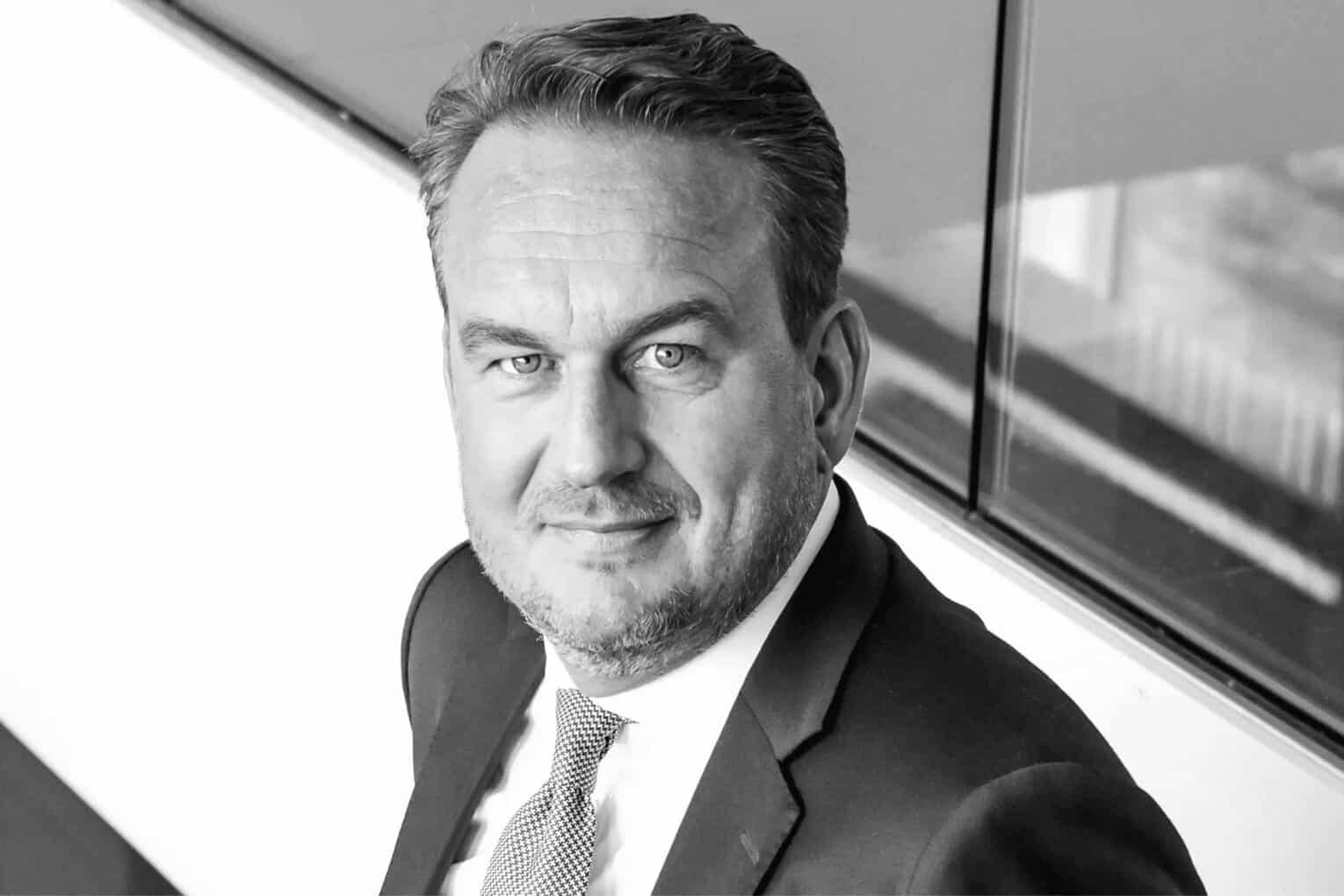
The invitation-only club for ultra-high-net-worth family offices co-founded by former proprietary trader Lex Van Dam has announced a leadership change, part of its ongoing global expansion strategy. The organisation, known as SFO Alliance and reported to represent family offices collectively controlling around US$440 billion in assets, named 55-year-old Jeroen Vetter as its new chief executive officer. Bloomberg
Vetter, a former money-manager at Dutch insurer Aegon N.V., brings extensive experience in institutional client assignments and cross-border advisory roles. His appointment marks a transition for the Alliance from founder-led structure toward more institutionalised governance and global scalability. Bloomberg
What the Change Signals
The SFO Alliance, originally formed to facilitate peer-networking, research, and investment collaboration among the world’s largest family offices, has been quietly building out services beyond networking—encompassing research platforms, co-investing vehicles and concierge-style advisory for members. The hiring of a professional executive indicates the organisation’s ambition to evolve into a global platform servicing the growing “multi-family office” segment.
The cited US$440 billion figure positions the Alliance among the largest family-office networks globally, underscoring the scope of assets under the umbrella. The move to install Vetter also hints at a push toward broadening operations, raising formal membership criteria, and enhancing service offerings in areas such as alternative investments, private markets and next-gen wealth transition. Bloomberg
Strategic Focus & Operational Priorities
According to the announcement, Vetter’s mandate will include:
-
Scaling the Alliance’s geographic footprint, with a particular focus on Asia-Pacific and the Middle East, where family-office growth is fastest.
-
Strengthening research-and-data capabilities around family-office investment trends, governance and succession.
-
Launching new thematic platforms including generational transition, digital-asset strategies, ESG/impact investing and operational best-practices among ultra-wealth families.
-
Enhancing the Alliance’s advisory function, using both proprietary events and digital platforms to connect members, external specialists and global investment opportunities.
In his first public comments the new CEO said: “My role is to enable the world’s leading family offices to collaborate, learn and invest together—at scale and with global reach.” Bloomberg
Implications for the Family-Office Ecosystem
The leadership shift at SFO Alliance occurs against a backdrop of evolving family-office dynamics. Long considered bespoke and private-by-design, family offices are increasingly operating at institutional scale: adopting governance frameworks, committing to private-markets allocations, and participating in emerging asset classes like venture, crypto and impact. This trend has opened demand for peer networks, best-practice knowledge-sharing and platform services tailored for ultra-high-net-worth entities.
By positioning itself as a platform-of-choice for large family offices, the Alliance is tapping into this strategic gap. Its offering—networking + research + co-investment—addresses key pain-points: deal access, benchmarking data, operational excellence and succession planning. The new leadership may help the Alliance differentiate itself from traditional wealth-advisory firms by emphasising peer collaboration and institutionalised services.
For member family offices this could translate into access to curated investment opportunities, deeper cohort insights across geographies, and richer front-office/back-office support structures. It may also accelerate professionalisation of family-office operations—hiring dedicated CIOs, deploying alternative-asset frameworks, and formalising governance.
Challenges and Considerations
While the strategic direction is clear, several obstacles may impact implementation:
-
Family offices value privacy and bespoke relationships; scaling membership or standardising services can clash with bespoke culture.
-
As the network expands globally, regional regulatory, tax, and succession-law differences will create complexity in cross-border collaboration.
-
Service expectations are high: ultra-wealth families may demand bespoke deal-flow, differentiated research and measurable outcomes—delivering this at scale is non-trivial.
-
Differentiation matters: with multiple family-office platforms and networks vying for attention, the Alliance must demonstrate unique value beyond events and networking.
What to Watch
-
The timeframe and scale for the Alliance’s expansion into new markets (particularly Asia-Pacific and the Middle East) will indicate how aggressive the growth strategy is.
-
Launch of any new thematic platforms or investment forums (e.g., digital-assets, impact investing, generational wealth transition) will provide insight into service evolution.
-
Any publicly reported co-investments, club-deals or partnership frameworks involving member family offices will show whether the network is delivering concrete investment value.
-
Membership numbers, asset-under-membership growth and retention metrics—while private, any disclosure will serve as a proxy for platform traction.
-
Talent acquisitions, technology platform roll-out or data-capability enhancements—indicative of the shift toward institutionalised services for members.
Conclusion
The appointment of Jeroen Vetter as CEO of SFO Alliance, overseeing a network representing US$440 billion in family-office assets, signals a bold transformation in the family-office networking space. The change reflects how ultra-wealth groups are evolving toward collaboration, professionalisation and scale. Whether the Alliance can deliver differentiated services, deepen value for members and expand globally successfully will be the key test of its next chapter.