Walmart App to Launch in South Africa
Global retail giant Walmart is set to enter South Africa’s e-commerce market at scale, with plans to launch a dedicated mobile shopping app in partnership with its local subsidiary Massmart.

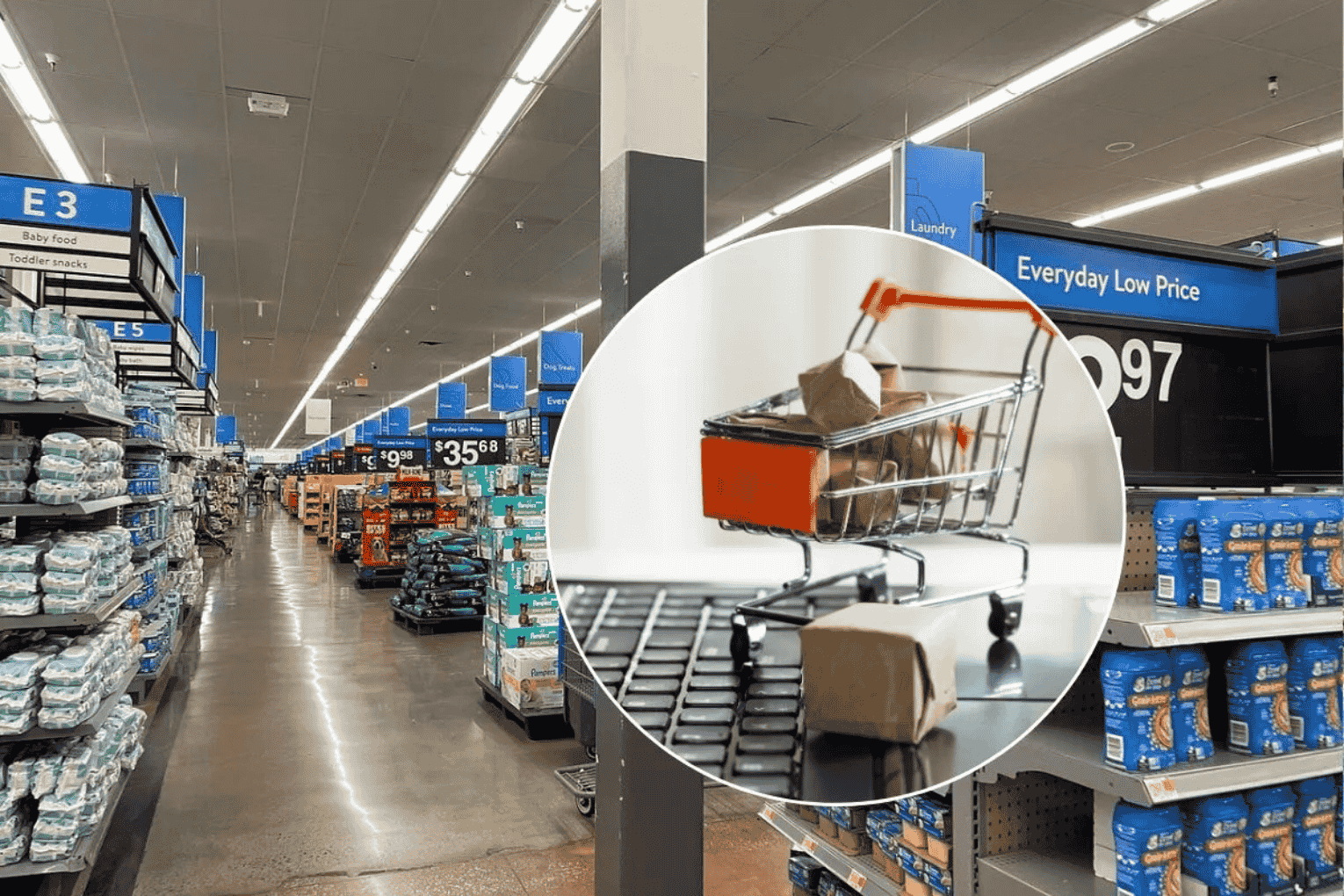
Global retail giant Walmart is set to enter South Africa’s e-commerce market at scale, with plans to launch a dedicated mobile shopping app in partnership with its local subsidiary Massmart. The forthcoming service will allow South African consumers to shop online for groceries, liquor, and a curated selection of general merchandise, marking Walmart’s most significant digital initiative in the country to date. The South African+1
Massmart confirmed that the Walmart-branded app will deliver an omnichannel experience, enabling customers to browse, purchase and receive orders from Walmart’s first branded stores in South Africa. Integration of Walmart’s global technological capabilities with Massmart’s locally developed pick, pack and delivery systems is central to the strategy.
Strategic Shift for Walmart in South Africa
The launch of the e-shopping app comes as Walmart moves beyond its traditional role in South Africa through Massmart’s established brands such as Makro, Game and Builders Warehouse. While Massmart has operated under Walmart’s majority ownership since 2011, this initiative represents Walmart’s direct digital retail offering in the market.
According to MyBroadband, the new Walmart app is being positioned not merely as a rebranding of existing operations but as a distinct digital platform intended to replicate the advanced tech-driven experience found in Walmart’s home market. Features such as an uncluttered interface, integrated global logistics frameworks and high-speed fulfilment are slated to underpin the service.
What Consumers Can Expect
The app’s functionality will include access to groceries, liquor and general merchandise via a streamlined mobile interface. While exact delivery times and pricing models have yet to be finalised, Massmart has indicated a mix of delivery vehicles including motorcycles and larger vans will be used to optimise urban fulfilment. In the United States, Walmart’s “Express” service has enabled deliveries in as little as five minutes post-payment; the South African app will adapt those capabilities to local conditions.
One notable feature is the inclusion of driver-friendly amenities such as rest areas where delivery riders can recharge phones and take breaks to support the logistics workforce and ensure reliable service. This attention to operational detail reflects the application of global models to local infrastructure. MyBroadband
Market Context and Competitive Landscape
South Africa’s online retail sector is growing rapidly, backed by increasing internet penetration, mobile adoption and consumer preference for convenience. With incumbent platforms such as Takealot, as well as the recent launch of Amazon in the market, competition is intensifying. Analysts view Walmart’s move via its app as a major challenge to existing players and possibly a disruptor in pricing, fulfillment speed and omnichannel reach. Reuters
Walmart’s “Every Day Low Prices” (EDLP) strategy is expected to underpin the app’s value proposition in South Africa. Massmart indicated that this pricing model will be central to its offering, aiming to deliver consistent affordability to cost-conscious shoppers.
Implementation and Roll-Out Plans
The first Walmart-branded store in South Africa is expected to open at Fourways Mall later this year, with the mobile app launch closely aligned with the physical store roll-out. Massmart has described this as part of the same experience online ordering, delivery, and ultimately in-store pickup or fulfilment services.
While exact launch dates and delivery coverage areas remain unconfirmed, industry watchers regard South Africa as a key growth target for Walmart’s international digital ambitions. The company’s careful integration of global and local systems aims to position it for long-term market penetration rather than a short-term entry.
Operational Challenges and Considerations
Despite the promising outlook, successfully executing a full-scale mobile‐first retail platform in South Africa faces challenges. Logistics infrastructure must support urban and township delivery, consumer trust must be built for a new brand offering, and pricing expectations must balance affordability and profitability. As one local forum user noted:
“If the online experience is anything like Makro’s, we’ll see where the challenge lies.”
Moreover, the decision to integrate motorcycles alongside vans for fulfilment suggests that urban delivery congestion and infrastructure are key considerations. Building driver rest-zones and ensuring efficient routing are part of Walmart’s localisation strategy.
Impact on South African Retail Ecosystem
For South African consumers, the arrival of Walmart’s app signals a potential shift in pricing and delivery dynamics. Established retailers may face increased pressure to improve their digital offerings, showrooms and last-mile operations. For local suppliers, the app and related store network may open new channels, particularly if Walmart follows through on its commitment to partner with South African entrepreneurs and source locally.
The move also reflects broader global retail trends where e-commerce and omnichannel platforms are increasingly merging physical presence with digital infrastructure. Walmart’s technology-enabled approach in South Africa could serve as a model for other markets in Africa, where the integration of mobile apps, logistics networks and retail real estate is still developing.
Looking Ahead
In the medium term, success will depend on Walmart’s ability to deliver a competitive digital shopping experience that resonates with South African consumers. Key metrics will include app adoption, delivery performance, pricing perception, and the ability to scale genre-specific product assortments (groceries, liquor, general merchandise).
If Walmart can replicate its U.S. e-commerce model in South Africa, the implications are significant: faster deliveries, heavier reliance on mobile-first shopping, and intensified competition on value. The timing and speed of rollout will be critical as rival platforms continue to evolve their own offerings.
Conclusion
Walmart’s push into South Africa through its mobile app and branded stores signals a bold commitment to digital retail in an increasingly competitive market. By blending global technology with local fulfilment strategies, the company aims to redefine how South Africans shop online and how quickly they receive goods.
With affordability, convenience and local partner integration at its core, the upcoming launch could transform the country’s online retail landscape. For consumers, suppliers and competitors alike, the countdown to Walmart’s app release marks a key moment in South Africa’s e-commerce evolution.