IMF Flags Middle East Risks
The International Monetary Fund (IMF) has revised its 2025 economic forecast for the Middle East and North Africa (MENA) region upward to 3.3 percent from 2.6 percent but warned that the outlook remains fragile, with risks “tilted to the downside” due to global economic uncertainty, geopolitical tensions, and fluctuating energy prices.

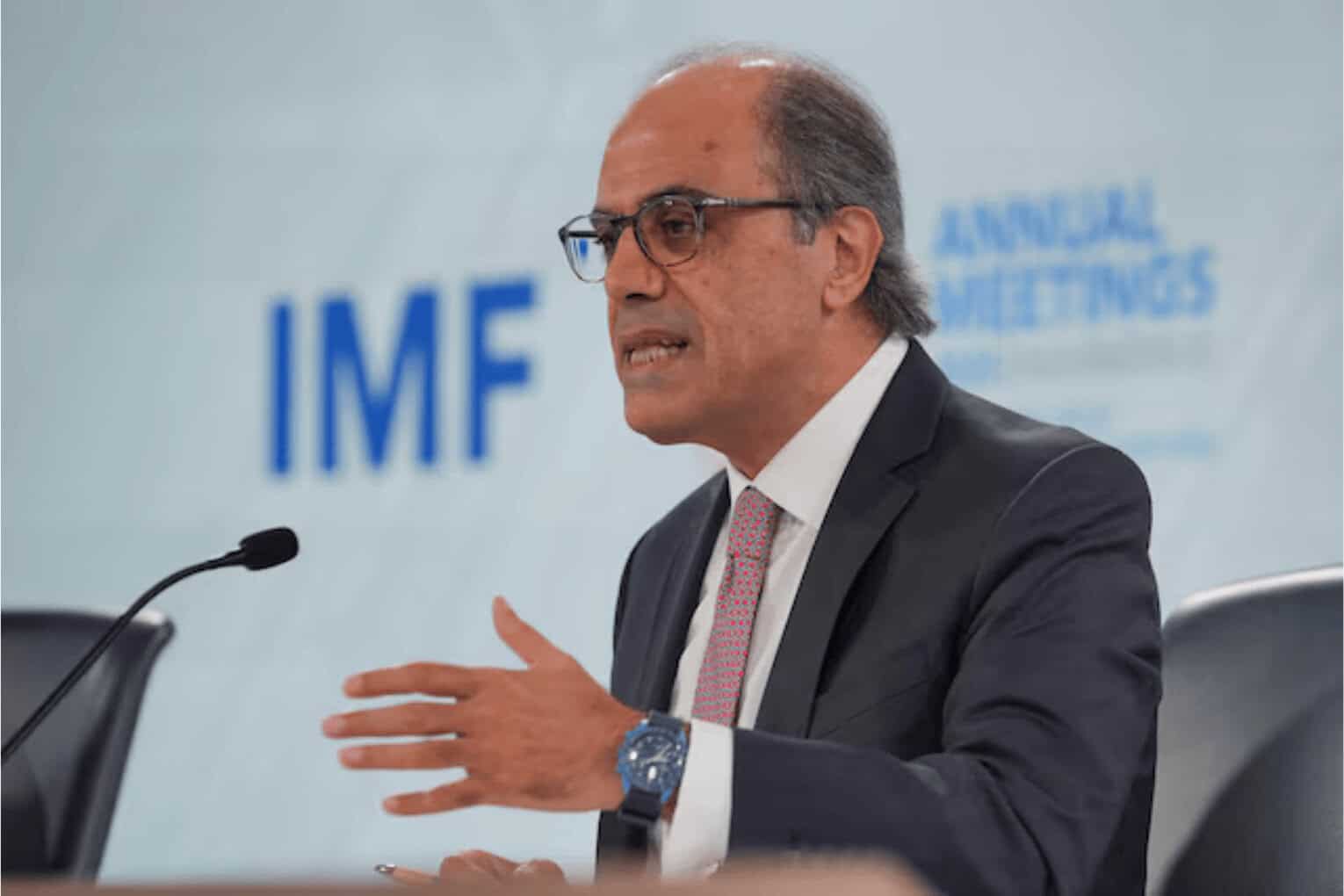
The International Monetary Fund (IMF) has revised its 2025 economic forecast for the Middle East and North Africa (MENA) region upward to 3.3 percent from 2.6 percent but warned that the outlook remains fragile, with risks “tilted to the downside” due to global economic uncertainty, geopolitical tensions, and fluctuating energy prices.
(reuters.com)
The IMF’s latest report, released on Tuesday, highlights both the region’s resilience and its vulnerabilities. While higher oil production and improved fiscal management are supporting growth among energy exporters, weaker global demand and persistent inflation pressures continue to weigh on prospects across several economies.
Mixed Growth Patterns
According to the IMF, the MENA region’s performance in 2025 will remain uneven. Oil-exporting nations such as Saudi Arabia, the United Arab Emirates, and Kuwait are expected to benefit from stable crude output and ongoing diversification investments, while oil-importing economies — including Egypt, Jordan, and Morocco — are projected to recover modestly, helped by tourism, remittances, and lower commodity prices.
Jihad Azour, Director of the IMF’s Middle East and Central Asia Department, said during a press briefing that the region’s recovery “remains on track but is exposed to considerable downside risks.” He emphasized that continued reform, fiscal prudence, and efforts to build resilience are critical to sustaining momentum amid global volatility.
“The outlook this year reflects resilience despite elevated global uncertainty,” Azour said, noting that inflation, debt sustainability, and global trade shifts remain top challenges.
Drivers of Growth
The IMF’s regional economic outlook attributes the upward revision to several key factors. Oil-exporting countries are expected to maintain higher output levels under OPEC+ production frameworks while simultaneously pushing ahead with structural reform programs aimed at reducing reliance on hydrocarbons. Public investment in infrastructure, logistics, and renewable energy has also supported non-oil activity.
For oil-importing countries, the combination of easing commodity prices, improving external balances, and rising remittances has helped stabilize currencies and reduce inflationary pressures. Egypt, for instance, has seen improved investor confidence following the rollout of its IMF-backed $8 billion reform program, which includes measures to privatize state-owned enterprises and strengthen fiscal governance.
Tourism in North Africa has returned close to pre-pandemic levels, boosting domestic demand. Meanwhile, the Gulf states continue to channel sovereign wealth funds toward digital transformation and industrial diversification — aligning with long-term national strategies such as Saudi Arabia’s Vision 2030 and the UAE’s economic diversification agenda.
Risks Tilted to the Downside
Despite positive signs, the IMF cautioned that risks remain pronounced and largely skewed toward the downside. A potential slowdown in global growth, particularly in the United States and China, could dampen energy demand and reduce oil prices, affecting fiscal revenues in exporting nations.
The Fund also warned about persistent inflation and tightening financial conditions globally, which could limit access to capital for emerging and frontier markets. Higher interest rates in advanced economies may trigger capital outflows and currency depreciation in more vulnerable MENA countries, particularly those with high debt levels.
Geopolitical instability remains another major concern. The ongoing conflicts and political unrest in parts of the Middle East continue to weigh on investor sentiment and economic integration. The IMF said that any escalation in regional tensions could disrupt trade and supply chains, adding further pressure to growth prospects.
Country-Level Highlights
Egypt’s growth forecast was raised to 4.3 percent in 2025, up from 3.8 percent in the IMF’s May projection. The improvement is attributed to strong tourism receipts, remittance inflows, and renewed investor confidence following recent currency reforms.
In contrast, growth projections for some energy-importing economies, such as Tunisia and Lebanon, remain subdued due to structural weaknesses, political uncertainty, and limited fiscal space.
The Gulf economies, led by Saudi Arabia, are expected to maintain steady performance, supported by continued investment in renewable energy, logistics, and high-tech industries. The UAE’s focus on digital transformation and smart infrastructure is expected to sustain robust non-oil growth over the medium term.
Inflation and Fiscal Policy Challenges
While inflation has moderated across parts of the region, it remains above pre-pandemic levels. The IMF urged governments to maintain targeted fiscal support to protect vulnerable households while gradually withdrawing broad subsidies that strain public finances.
Jihad Azour noted that the region’s average inflation is projected to fall to around 9 percent in 2025, but some economies may still experience double-digit inflation due to supply chain constraints and imported food costs. Fiscal consolidation remains necessary, particularly for countries where debt has exceeded 80 percent of GDP.
The IMF emphasized the need for monetary authorities to stay vigilant and avoid premature easing, warning that renewed commodity price shocks or supply disruptions could reignite inflationary pressures.
Structural Reforms as the Key
The IMF’s message to regional policymakers was clear: the current growth momentum is not guaranteed without structural change. The Fund urged countries to accelerate reforms aimed at enhancing private sector participation, improving labor markets, and fostering innovation.
In oil-exporting states, diversification remains a top priority. The report highlighted ongoing progress in Saudi Arabia’s Vision 2030 and the UAE’s clean energy investments as examples of how fiscal surpluses can be reinvested in non-oil sectors.
For oil-importing economies, enhancing competitiveness through digitalization, infrastructure development, and education reform will be critical to sustaining long-term growth. The IMF also underscored the importance of social protection programs to mitigate inequality and ensure inclusive development.
Global and Regional Context
The Middle East’s economic outlook is deeply intertwined with global market dynamics. The IMF noted that although the world economy has avoided a hard landing, it remains in a fragile state marked by geopolitical fragmentation, uneven recovery, and trade realignments.
Azour said that “the global economy is showing resilience but remains vulnerable to shocks.” He added that the region’s policymakers should prepare for uncertainty by building fiscal buffers, maintaining exchange rate flexibility, and strengthening regional cooperation.
Energy markets remain a double-edged sword: while oil prices provide fiscal relief for exporters, volatility can disrupt planning. The IMF also highlighted climate change as a growing risk, urging MENA countries to adopt greener investment frameworks to ensure sustainable growth.
Policy Recommendations
The IMF outlined several policy priorities for the region:
-
Fiscal discipline: Governments should balance stimulus with long-term debt sustainability.
-
Diversification: Reducing dependence on oil revenues is essential for stability.
-
Private sector development: Encouraging entrepreneurship and foreign investment can enhance productivity.
-
Resilience building: Expanding social safety nets and climate adaptation programs is critical to protect vulnerable populations.
Azour concluded that “the next phase of economic recovery will depend on how countries manage reform execution under uncertainty.”
Outlook
Looking ahead, the IMF expects regional growth to stabilize around 3.5 percent by 2026 if global conditions remain steady and reforms continue. The trajectory will depend on geopolitical developments, global oil demand, and the pace of fiscal adjustment.
For now, the IMF’s latest assessment paints a cautiously optimistic picture one where resilience and reform coexist with fragility and risk.