
UAE Pavilion Opens at Riyadh Digital Summit
The UAE inaugurated its national pavilion at the Global Digital Summit 2025 in Riyadh, Saudi Arabia, presenting the country’s advancements in digital transformation, artificial intelligence, and innovation.

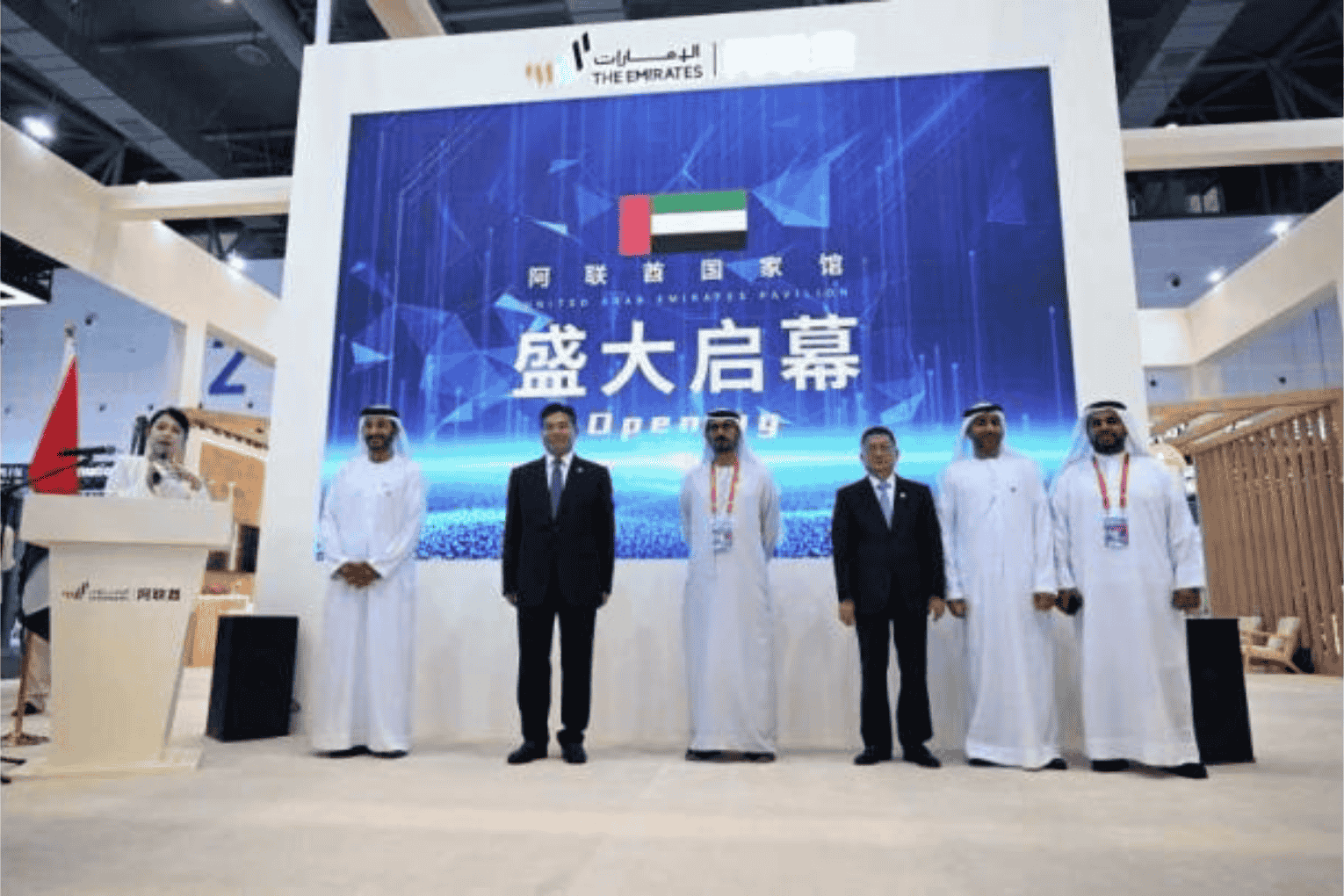
The UAE inaugurated its national pavilion at the Global Digital Summit 2025 in Riyadh, Saudi Arabia, presenting the country’s advancements in digital transformation, artificial intelligence, and innovation. The event, organized by the Saudi Data and Artificial Intelligence Authority (SDAIA), brought together global policymakers, leading technology firms, and digital economy experts to exchange knowledge on the future of technology and its role in economic development.
A Platform to Showcase Digital Progress
The pavilion serves as a window into the UAE’s digital ecosystem. From fintech innovations and government e-services to cloud computing, blockchain adoption, and AI-powered solutions, the exhibition illustrates the country’s rapid digitalization across industries. Officials emphasized that this effort aligns with the UAE Centennial 2071 vision and the Dubai Digital Strategy 2030, which seek to build a competitive, knowledge-based economy driven by technological innovation.
Government representatives also highlighted the progress made in healthcare, logistics, energy, and education, sectors where digital tools are accelerating efficiency and expanding access. By sharing its achievements, the UAE aims to encourage knowledge transfer and inspire other economies across the Middle East.
Enhancing Regional Cooperation
The UAE’s participation strengthens cooperation with Saudi Arabia and the wider Gulf Cooperation Council. The summit itself has become an important regional hub for dialogue, innovation, and investment. By opening its pavilion, the UAE signaled its commitment to supporting integrated policies on digital infrastructure, data governance, and e-commerce development.
Reports from regional outlets such as Arab News note that Gulf states are collectively investing billions into smart cities, 5G networks, and AI ecosystems. Within this context, the UAE’s experience in building robust digital governance structures positions it as a leader and policy influencer in the region.
Spotlight on Artificial Intelligence and Emerging Technologies
Inside the pavilion, both startups and government-backed entities introduced projects in artificial intelligence, machine learning, autonomous vehicles, and cybersecurity. Several initiatives focused on sustainable technology, including smart energy grids and green mobility.
Delegates also presented AI-powered urban planning platforms designed to improve city services, reduce congestion, and lower carbon emissions. These projects reflect the UAE’s goal of balancing economic growth with environmental sustainability, a theme that resonates across international tech summits.
Building an Innovation Economy
The UAE’s participation in the summit is not limited to showcasing technology. It reflects a broader effort to transform the national economy through innovation. The country has invested in incubators, accelerators, and research hubs designed to support entrepreneurs and encourage cross-border collaboration.
By displaying successful case studies at the summit, the UAE highlighted its strategy of fostering public-private partnerships, which have already delivered results in areas such as mobile payments, cloud-based education, and telemedicine.
Boosting E-Commerce and Cross-Border Trade
One of the key themes of the pavilion is the integration of digital technologies into trade and retail. With the rise of e-commerce platforms across the Gulf, the UAE is positioning itself as a regional hub for cross-border trade. The emphasis is on creating seamless data flows, secure digital payments, and smart logistics systems that can handle the growth of online shopping in the region.
Research from Zawya suggests that the Middle East e-commerce sector is projected to reach record growth levels by 2030, driven by youth demographics and high smartphone penetration. The UAE, with its advanced infrastructure, is expected to play a leading role in this development.
Strengthening International Partnerships
Beyond regional cooperation, the UAE pavilion also attracted delegations from Asia, Europe, and North America. Bilateral meetings were held to explore investment opportunities, joint ventures, and research collaborations. Topics ranged from digital banking and cybersecurity frameworks to global standards on artificial intelligence.
UAE officials stressed the importance of building international trust through transparent data policies, reliable digital infrastructure, and cooperation on cybersecurity. The pavilion was described as a space not just for showcasing technology, but for building long-term global partnerships.
A Focus on Human Capital
Technology is only part of the story. The UAE delegation also placed strong emphasis on skills development. Programs in coding, digital literacy, and AI training are being expanded to prepare the workforce for future jobs. Officials underlined the importance of equipping young people with the skills needed to thrive in a rapidly changing digital economy.
This aligns with the government’s investments in educational reform, particularly in integrating science, technology, engineering, and mathematics into national curricula. Training initiatives are also being linked to the private sector to ensure alignment with labor market demands.
The Role of Sustainability
The Global Digital Summit featured sustainability as one of its central themes, and the UAE used its pavilion to demonstrate how digital tools can support climate action. Case studies included renewable energy monitoring systems, AI-powered water management platforms, and projects for reducing carbon emissions in transportation.
The country’s representatives reiterated that technological innovation must align with the UN Sustainable Development Goals and with the UAE’s own net-zero commitments for 2050.
Looking Ahead
The UAE’s presence at the Global Digital Summit in Riyadh demonstrates its ambition to play a central role in shaping the digital future of the Middle East. By opening a national pavilion, the country has positioned itself as a key regional player in areas such as artificial intelligence, e-commerce, smart governance, and sustainable technology.
Looking forward, experts expect that collaborations initiated at the summit will lead to new cross-border projects, joint research, and investment flows. As Gulf economies continue to diversify away from oil dependence, digital innovation is expected to become the backbone of future growth.
Conclusion
The inauguration of the UAE pavilion at the Global Digital Summit is both symbolic and practical. It reflects national pride in technological achievements while also serving as a platform for building regional and global partnerships. The exhibition of advanced projects in AI, fintech, sustainability, and e-commerce underlines the UAE’s determination to remain at the forefront of digital transformation in the Middle East.
By leveraging this momentum, the country is not only showcasing its progress but also shaping the trajectory of regional and international digital economies.