
Otto Withdraws from the Dutch Market
German-based e-commerce and retail giant Otto has decided to completely withdraw from the Dutch market, where it has operated for nearly half a century.

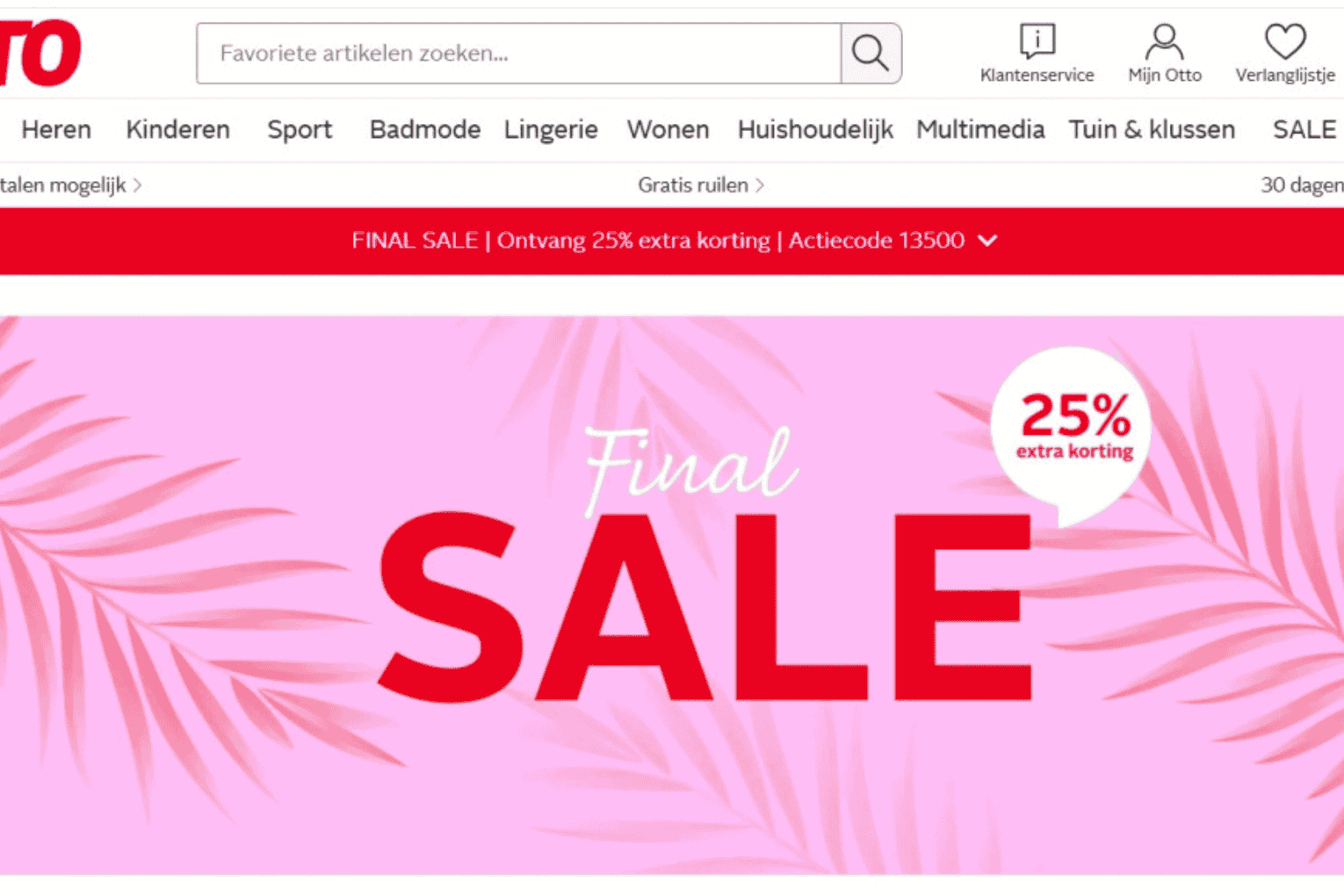
German-based e-commerce and retail giant Otto has decided to completely withdraw from the Dutch market, where it has operated for nearly half a century. The company has taken this strategic step due to ongoing economic difficulties, low profit margins, and the failure to achieve sustainable growth expectations. As a result of the decision, approximately 70 employees working at the Dutch office will be laid off.
Digital Transformation Was Not Enough
Otto began operations in the Netherlands in 1979. Initially functioning through a traditional catalogue-based sales model, the company adapted over the years by shifting to e-commerce as part of its digital transformation. However, the digital success it achieved in Germany was not replicated in the Netherlands. Even after transitioning to a marketplace model that allowed third-party sellers to offer their products, Otto struggled to perform in the highly competitive Dutch e-commerce market.
The company’s decision to exit this market reflects a broader reassessment of its strategy across European markets. Rising operational costs and changing consumer behavior in the region have made it increasingly difficult for Otto to establish a sustainable future. This move also highlights that e-commerce success depends not only on digital infrastructure but also on tailored strategies that align with local market dynamics.
Otto’s departure from the Netherlands may cause minor shifts in the European e-commerce landscape. The company now aims to concentrate its resources and efforts on markets where it maintains a stronger presence and better long-term prospects.