
Dubai Domestic Spending Reaches 95% of Pre-Crisis Levels, Signaling Strong Economic Recovery

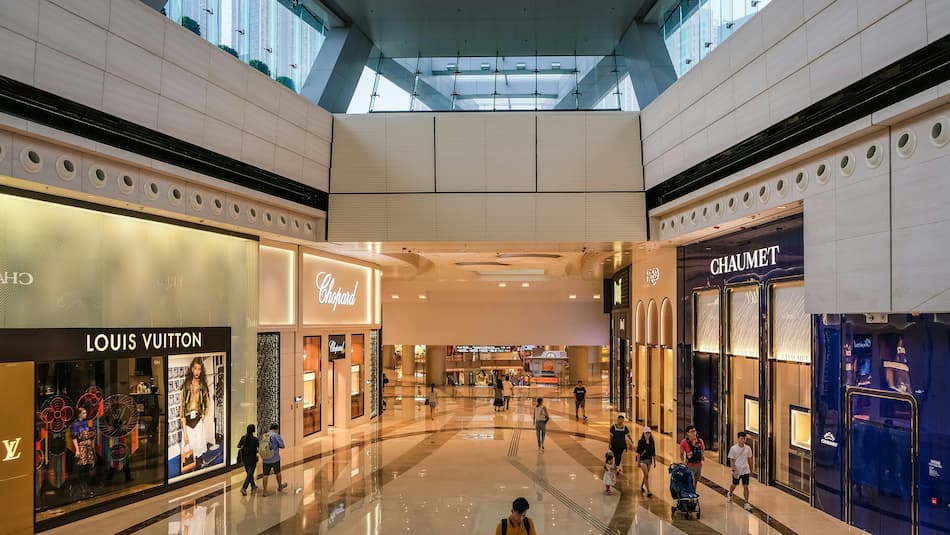
Dubai’s domestic economy is demonstrating a strong and measured recovery, with consumer spending reaching approximately 95% of pre-crisis levels, according to recent statements by senior officials. The update reflects renewed economic stability following a period of geopolitical tension that briefly impacted regional markets.
Hadi Badri, CEO of the Dubai Economic Development Corporation, emphasized that the emirate’s economic fundamentals remain solid, with consumer activity rebounding quickly after a short-lived disruption earlier this year. The recovery follows a ceasefire that helped restore confidence across the region and allowed economic activity to normalize.
The pace of recovery highlights Dubai’s resilience and its ability to absorb external shocks without long-term structural damage. While geopolitical developments temporarily influenced sentiment, the underlying strength of the local economy ensured a rapid return to near-normal consumption levels.
Consumption Trends Reflect Stability
Consumer spending is widely regarded as a key indicator of economic health, and Dubai’s latest figures point to a stable and confident market environment. The near-complete recovery suggests that households and businesses have resumed regular activity, supported by consistent policy direction and a favorable business climate.
Dubai’s diversified economic model has played a central role in this resilience. Key sectors, including retail, tourism, logistics, and financial services – continue to contribute to overall economic performance, reducing reliance on any single industry and enabling faster recovery cycles.
Investment Climate Remains Resilient
Alongside domestic consumption, Dubai continues to attract international investment, reinforcing its position as a global economic hub. Authorities have noted that foreign direct investment flows remain stable, reflecting sustained confidence from global investors despite short-term regional uncertainties.
Strategic initiatives under Dubai’s long-term economic agenda, including efforts to expand trade partnerships and enhance capital inflows, are further strengthening the emirate’s growth trajectory. These initiatives align with broader goals to increase economic diversification and global competitiveness.
Structural Advantages Support Recovery
Dubai’s ability to rebound quickly is supported by several long-standing structural advantages. Its geographic position as a connector between major global markets, combined with advanced infrastructure and business-friendly regulations, creates a stable environment for both local and international stakeholders.
In addition, the emirate’s digital readiness and efficient regulatory frameworks have enabled businesses to maintain continuity during periods of disruption. This adaptability has become a defining feature of Dubai’s economic model.
Outlook for 2026 and Beyond
The recovery in domestic spending provides a positive signal for Dubai’s economic outlook. With consumption nearing pre-crisis levels and investment activity remaining steady, the emirate is well-positioned to sustain growth in the coming months.
Looking ahead, Dubai is expected to continue leveraging its strategic advantages to drive expansion across key sectors, including e-commerce, logistics, and financial technology. As global economic conditions evolve, the emirate’s focus on diversification and innovation will remain central to its long-term development strategy.
Overall, the latest data reinforces Dubai’s status as a resilient and forward-looking economy capable of navigating uncertainty while maintaining consistent growth and investor confidence.
For more news and insights on global e-commerce and digital economy trends, visit WORLDEF.