
Retail Transformation Shows Philadelphia Malls’ Resilient Shift in the E-Commerce Era

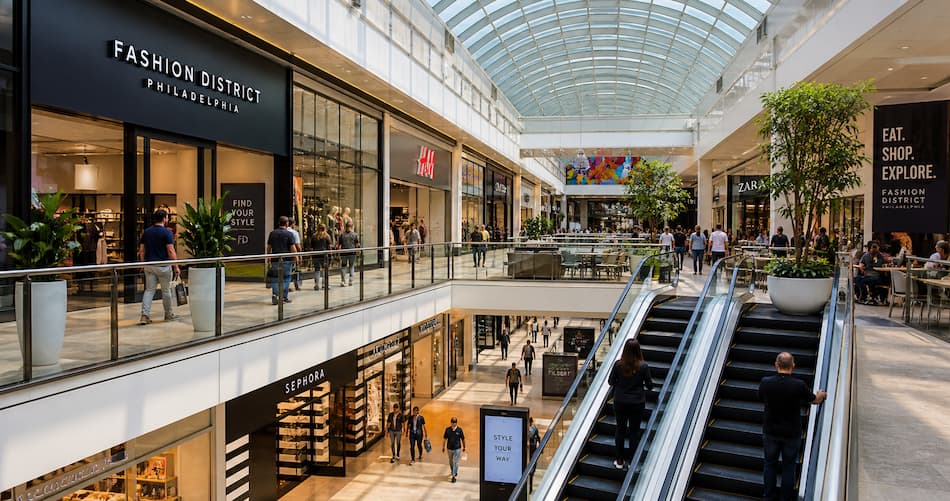
Philadelphia’s shopping malls are no longer operating as they did decades ago, but their role in the retail ecosystem is far from over. As e-commerce continues to reshape consumer behavior, malls across the Philadelphia region are adapting to a new era of shopping, entertainment and community engagement.
The region is home to more than a dozen indoor malls, many of which once served as major social and commercial hubs. Philadelphia’s first mall, The Gallery, opened in Center City in 1977, followed by Franklin Mills in Northeast Philadelphia in 1989 and The Shops at Liberty Place shortly after. These destinations attracted strong foot traffic and sales during their early years.
From Retail Hubs to Experience-Driven Destinations
However, the rise of online shopping, changing consumer expectations and pressure on traditional retail brands have transformed the mall model. The 2008 recession and the pandemic further accelerated this shift, leaving many malls with lower foot traffic and new financial challenges.
Instead of disappearing, malls are being reimagined. Retail experts say their future will depend on experiences that cannot be fully replicated online, including dining, entertainment, services, mixed-use spaces and community-focused concepts. E-commerce has not eliminated malls; it has pushed them to become more flexible and experience-driven.
The transformation of The Gallery into Fashion District Philadelphia in 2019 reflects this broader trend. Across the region, malls are increasingly moving beyond traditional shopping and positioning themselves as lifestyle destinations.
As retail continues to blend physical and digital channels, Philadelphia’s malls show how brick-and-mortar spaces can evolve rather than vanish.