
Saudi Arabia’s AI Growth Spotlighted at Money20/20
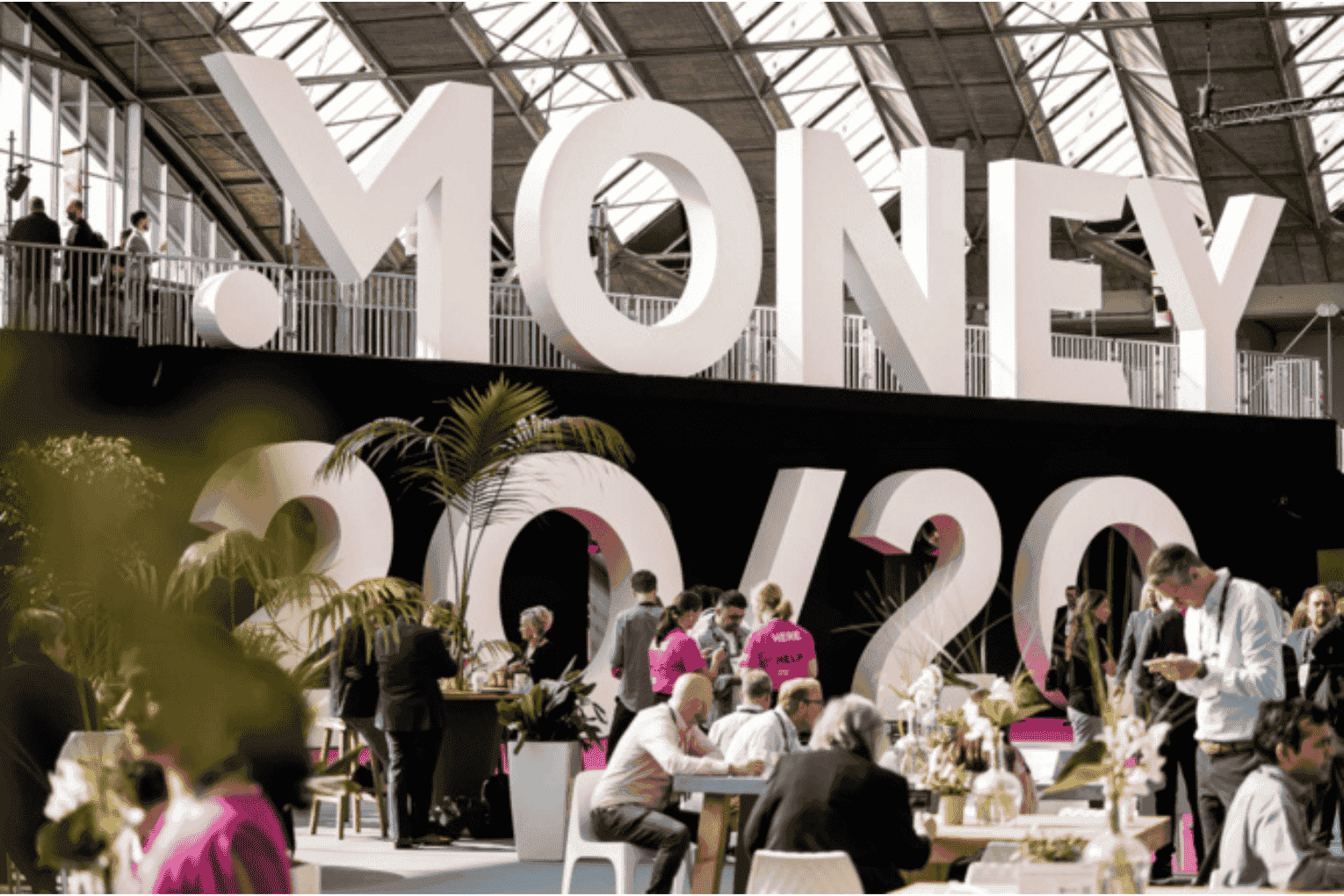
Riyadh hosted the annual Money20/20 Middle East conference, a key event spotlighting the rapid advancements in financial technology across the region(AI). This year, the focus was sharply on artificial intelligence (AI) and its growing influence in Saudi Arabia’s financial sector. With over 450 fintech companies and more than 1,050 global investors attending, the event underscored the Kingdom’s increasing prominence as a hub for AI innovation aligned with its Vision 2030 objectives. (arabnews.com)
AI Moves from Concept to Core in Finance
Artificial intelligence has moved beyond theoretical frameworks and pilot projects to become a fundamental pillar of financial operations in Saudi Arabia. AI technologies are now integral in fraud detection systems, enabling institutions to swiftly identify suspicious transactions and reduce financial crime. Customer onboarding processes have been streamlined using AI-driven identity verification tools, which help banks comply with Know Your Customer (KYC) regulations while improving client experience. Risk modeling has also benefited from AI’s predictive capabilities, allowing for more accurate forecasting and better capital allocation. Regulatory compliance is further supported by AI systems that monitor transactions and flag anomalies, helping financial institutions meet strict local and international standards. These advancements collectively contribute to faster, more secure, and customer-friendly financial services. The Saudi Central Bank (SAMA) has been pivotal in promoting responsible AI adoption, releasing guidelines that encourage innovation while emphasizing data privacy and ethical AI use.
The Role of Vision 2030 in Driving AI Adoption
Saudi Arabia’s Vision 2030 framework aims to diversify the Kingdom’s economy away from oil dependency and position it as a leader in knowledge-based industries. Central to this vision is the integration of AI technologies across sectors. The Saudi Data and AI Authority (SDAIA) plays a crucial role in coordinating national AI efforts, fostering collaboration between public institutions and private enterprises. Through strategic investments in AI research centers and partnerships with global technology companies, Saudi Arabia is cultivating a robust AI ecosystem. Projections estimate that AI will contribute around $135.2 billion to the Kingdom’s economy by 2030, representing approximately 12.4 percent of the GDP. This economic boost is expected not only from finance but also from sectors such as healthcare, energy, logistics, and government services.
Practical AI Applications Transforming Financial Services
In the Kingdom’s financial sector, AI-powered credit scoring models enable lenders to assess applicants more quickly and accurately than traditional methods. This enhances access to credit for individuals and businesses that might otherwise be underserved, supporting financial inclusion goals. AI chatbots and virtual assistants provide personalized customer service around the clock, reducing wait times and improving satisfaction. Banks and insurers employ AI-driven predictive analytics to better tailor products, manage risks, and detect potential market trends. These innovations have turned Saudi Arabia’s fintech scene into one of the most dynamic in the Middle East, attracting significant local and international capital inflows. (finextra.com)
Growing Investor Interest and Market Confidence
Money20/20 highlighted a surge in investor enthusiasm for Saudi AI fintech startups. Many companies showcased cutting-edge AI solutions for fraud prevention, personalized financial planning, and real-time analytics. This investor interest reflects broader confidence in the Kingdom’s regulatory environment, which balances innovation with robust safeguards. Unlike some markets where unclear regulations hamper technology adoption, Saudi Arabia’s proactive approach is widely seen as a competitive advantage. According to PwC’s analysis, Saudi Arabia is one of the fastest-growing AI markets globally, driven by public sector investments and an entrepreneurial private sector eager to innovate. This trend is expected to continue, with venture capital and private equity increasingly channeling funds into AI-driven fintech ventures.
Challenges and Strategic Responses
Despite impressive progress, challenges remain on the path to fully realizing AI’s potential. Building sophisticated AI infrastructure demands considerable capital investment and a pipeline of skilled professionals. Cybersecurity risks escalate as AI systems become embedded in critical financial processes, requiring constant vigilance and advanced defense mechanisms. Ethical concerns about algorithmic bias and transparency call for ongoing development of regulatory frameworks and best practices.
To address these challenges, Saudi Arabia is investing heavily in education and training programs aimed at developing AI expertise domestically. Public-private partnerships are fostering innovation hubs and incubators to accelerate technology development. Regulatory bodies are continuously refining guidelines to ensure responsible AI use while encouraging experimentation and growth.
The Future of AI Beyond Finance
Looking beyond the financial sector, Saudi Arabia envisions AI playing a transformative role across multiple domains. In healthcare, AI-powered diagnostics and personalized medicine promise improved patient outcomes. The energy sector is exploring AI for optimizing resource extraction and reducing environmental impacts. Logistics companies are adopting AI to streamline supply chains and increase efficiency. Government services are also set to benefit from AI-driven automation and data analytics, enhancing public sector productivity and citizen engagement.
Saudi Arabia’s comprehensive and integrated approach to AI adoption positions it as a leader in the Middle East and a model for other nations seeking to harness technology for sustainable economic development.
Read more on
About the author
WORLDEF Editors
924 stories on WORLDEF since January 2025.
More from WORLDEF Editors →Related




The week in commerce, before your competitors.
1,463 stories since January 2025, distilled into three newsletters. Pick the ones you want.