
Adobe Predicts 520% Growth in AI Holiday Shopping
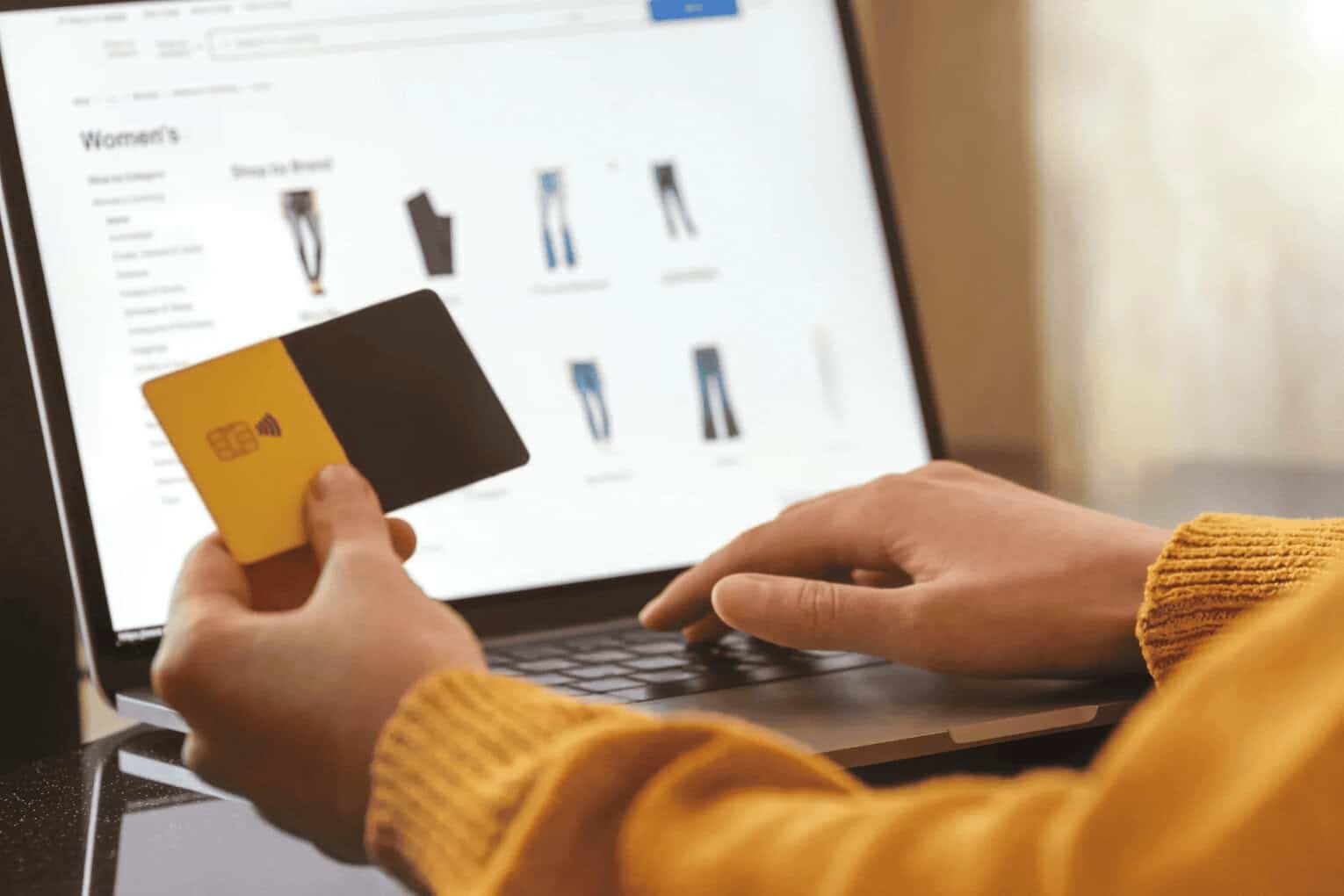
Adobe Analytics, Adobe’s data and e-commerce division, has released new projections for the 2025 U.S. holiday shopping season, highlighting a massive surge in AI-assisted online shopping. According to Adobe’s report, AI-driven shopping traffic is expected to increase by 520% year-over-year, marking a substantial acceleration in consumer reliance on artificial intelligence for product research, recommendations, and personalized shopping experiences. This growth follows a remarkable 1,300% increase in AI-related traffic observed during the 2024 holiday season. (TechCrunch)
The U.S. holiday shopping period, spanning Thanksgiving, Black Friday, and Cyber Monday, is projected to generate $253.4 billion in online sales, representing a 5.3% increase compared to the previous year. Cyber Monday is expected to remain the peak online shopping day, with sales forecasted at $14.2 billion, up 6.3% year-over-year. Black Friday is projected to generate $11.7 billion in online sales, an 8.3% increase from 2024, while Thanksgiving Day sales are estimated at $6.4 billion, up 4.9%. The report attributes this growth to increased consumer spending, mobile device shopping, and the integration of AI-powered tools in e-commerce platforms. (TechCrunch)
Adobe’s research also indicates that discounts will play a significant role in driving holiday sales. On average, products are expected to be 28% off listed prices, encouraging consumers to engage in AI-assisted comparison shopping. The rise of AI tools allows shoppers to quickly analyze deals, receive personalized recommendations, and discover products that match their preferences and budgets. Buy now, pay later (BNPL) services are also expected to contribute to higher conversion rates by offering flexible payment options for online shoppers.
The company conducted a survey of 5,000 U.S. consumers to better understand AI usage in holiday shopping. The results show that 53% of respondents are likely to use AI services for researching products prior to making a purchase. Additionally, 40% plan to use AI to receive recommendations, 36% for deal-finding, and 30% for gift inspiration. AI is projected to be most widely used for shopping in categories such as toys, electronics, jewelry, and personal care. These findings suggest that AI is becoming an essential component of consumer decision-making, enabling more efficient and satisfying shopping experiences. (TechCrunch)
Experts note that the rise of AI-assisted shopping reflects a broader shift in e-commerce towards automation and personalization. Retailers are increasingly adopting machine learning algorithms to track consumer behavior, predict purchasing patterns, and deliver customized product recommendations. AI-powered chatbots, recommendation engines, and search optimization tools are now common on leading e-commerce platforms, allowing businesses to engage customers more effectively and increase sales.
Adobe emphasizes that mobile devices will play a central role in holiday shopping this year. The convenience of shopping on smartphones and tablets, combined with AI-enhanced apps, enables consumers to compare prices, read reviews, and complete transactions anytime, anywhere. Mobile shopping growth also aligns with trends in social commerce, where AI-driven product suggestions are integrated into social media platforms to influence buying decisions.
Supply chain readiness and logistics are also highlighted as critical factors for the 2025 holiday season. Retailers leveraging AI are better equipped to manage inventory, predict demand, and optimize delivery routes, ensuring that consumers receive their products on time. The integration of AI into inventory management systems reduces the risk of stockouts and improves overall customer satisfaction.
Adobe’s report concludes that AI-assisted shopping is not just a temporary trend but a fundamental shift in consumer behavior. As AI technology continues to evolve, online shopping experiences are expected to become increasingly personalized, efficient, and intelligent. Retailers that adopt AI tools effectively will likely gain a competitive advantage, driving higher sales and fostering stronger customer loyalty.
Read more on
About the author
WORLDEF Editors
924 stories on WORLDEF since January 2025.
More from WORLDEF Editors →Related




The week in commerce, before your competitors.
1,463 stories since January 2025, distilled into three newsletters. Pick the ones you want.