
Ulta Beauty Launches UB Marketplace to Expand Digital Reach
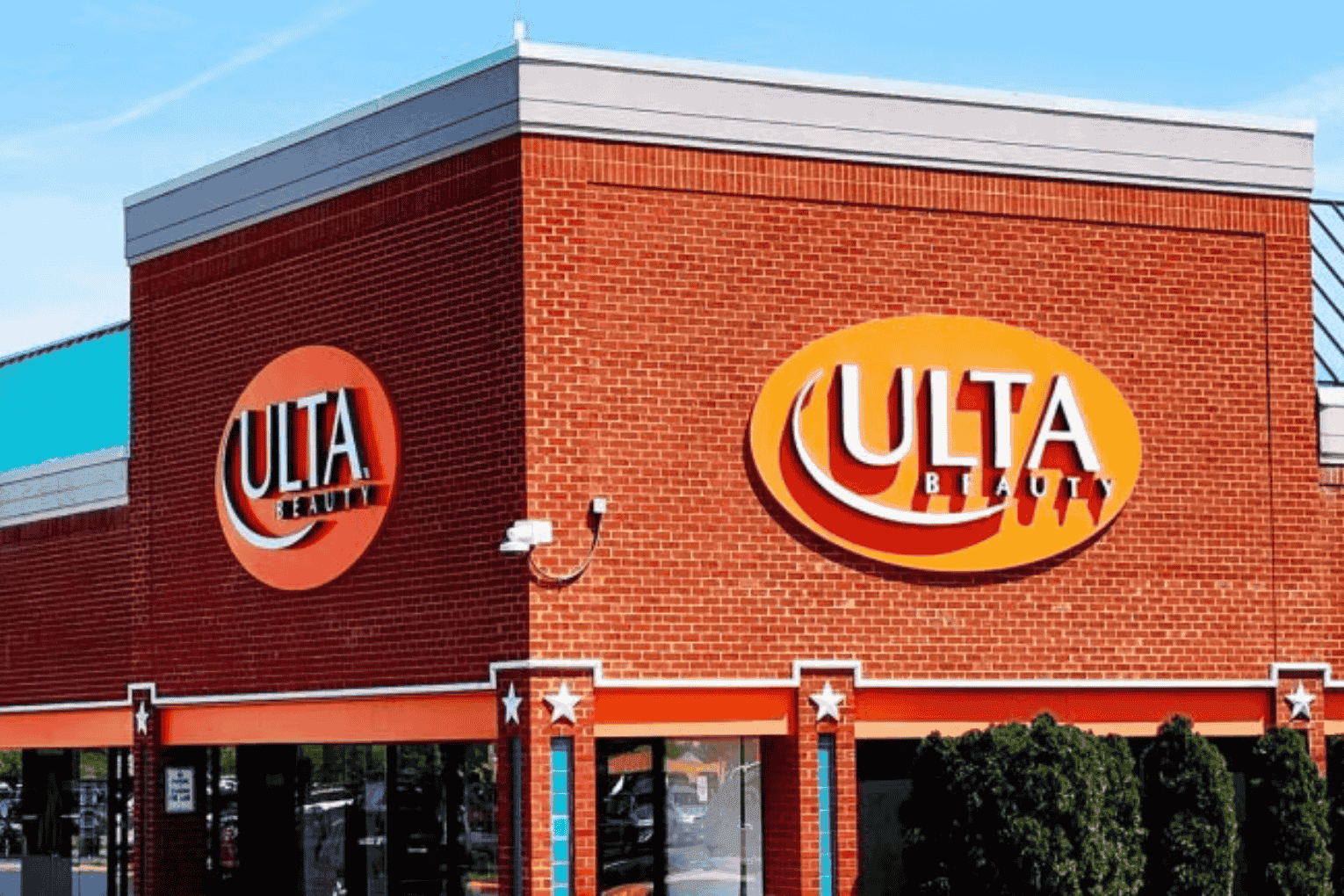
Ulta Beauty has launched a new online retail platform called UB Marketplace, expanding its e-commerce ecosystem with a curated selection of independent and emerging beauty and wellness brands. The move represents a major step in Ulta’s “Beauty Unleashed” digital strategy, aiming to increase product variety and reach a broader customer base while maintaining the quality and experience associated with the Ulta brand.
(retail-insight-network.com)
The new UB Marketplace is now live on both Ulta’s website and mobile app, giving customers access to over 100 new third-party brands that complement the retailer’s existing inventory. The marketplace model allows Ulta to expand its product offering without holding stock directly, enabling faster onboarding of new brands and categories.
According to Ulta Beauty, the marketplace was designed to “bring more choice, innovation, and discovery” to its customers while staying true to its reputation as a trusted beauty destination. With this addition, shoppers can now browse and purchase products from an extended range of skincare, fragrance, haircare, grooming, and wellness brands all through a single Ulta checkout experience.
A New Phase for Ulta’s Digital Strategy
UB Marketplace integrates seamlessly into the existing Ulta platform, meaning that users can shop both Ulta-owned and partner-supplied products with one search, one cart, and one checkout. Purchases from UB Marketplace are also eligible for Ulta’s rewards program, giving members loyalty points for marketplace orders just as they would for standard items.
The retailer stated that the marketplace will initially feature around 100 carefully selected brands, each invited to join based on quality, relevance, and alignment with Ulta’s values. Unlike open marketplaces such as Amazon, UB Marketplace is a closed, curated system only brands approved by Ulta can participate. This approach ensures consistent product quality and protects the integrity of the customer experience.
Customers who purchase marketplace items can return them either by mail or at any of Ulta’s more than 1,400 stores across the U.S., reinforcing Ulta’s omnichannel convenience.
Powered by Mirakl Technology
UB Marketplace is powered by Mirakl, a French e-commerce technology company that provides marketplace infrastructure for major global retailers. Mirakl’s platform allows Ulta to manage vendor onboarding, inventory data, and fulfillment logistics without disrupting its existing systems. The technology enables a flexible supply chain where partner brands handle shipping directly to customers while Ulta oversees the overall transaction and customer support.
This collaboration with Mirakl also reflects a growing industry trend among large retailers seeking to combine curated product expansion with minimal inventory risk. By using a marketplace model, Ulta can rapidly introduce new product lines in categories like wellness, eco-beauty, and emerging global brands, testing consumer demand before committing to large-scale wholesale purchases.
A Curated Brand Lineup
At launch, UB Marketplace features several brands that were not previously available through Ulta’s main channels. Early participants include Manucurist, Apotheke, Oars + Alps, Nuxe, Saturday Skin, A313, Babe Lash, and Ogee. These brands cover a diverse range of categories, from luxury skincare and fragrances to clean beauty, men’s grooming, and lifestyle wellness products.
The marketplace will continue to expand its selection in phases over the coming year, adding more international and indie beauty labels. Ulta executives said that this evolving assortment is designed to meet the growing consumer appetite for authenticity and variety, particularly among younger shoppers who value discovery and brand storytelling.
Strategic Importance for Ulta
Ulta Beauty’s marketplace launch comes at a time when digital transformation is reshaping the retail sector. With the global beauty market increasingly driven by online sales and influencer-led brand discovery, Ulta’s leadership aims to position the company as not just a retailer but a full digital ecosystem for beauty and self-care.
The company’s CEO, Dave Kimbell, recently highlighted that UB Marketplace is part of Ulta’s larger strategy to integrate technology with human connection. “We’re expanding choice and access without compromising on curation or customer trust,” he said. “This platform will allow Ulta Beauty to stay ahead of emerging trends while continuing to celebrate the diversity of beauty in all forms.”
The move also helps Ulta compete more directly with digital-native marketplaces such as Amazon Beauty and Sephora’s growing online network, both of which have aggressively expanded into third-party brand collaborations. However, Ulta’s advantage lies in its hybrid approach combining online expansion with its nationwide physical store footprint and loyalty ecosystem of more than 45 million active members.
Benefits for Brands and Consumers
For partner brands, UB Marketplace offers immediate exposure to Ulta’s massive customer base, robust digital marketing channels, and analytics capabilities. Emerging brands can reach new audiences without having to negotiate full retail distribution deals or manage large-scale inventory commitments.
For consumers, the platform enhances convenience and discovery. Shoppers can now access niche and global brands alongside Ulta’s established offerings, earning rewards and returning products seamlessly through the same system.
Industry analysts see Ulta’s marketplace as a smart move in balancing innovation with control. Unlike open marketplaces that risk quality inconsistency, Ulta’s model keeps the focus on curated selection, authenticity, and trusted partnerships key factors in beauty retail success.
The Competitive Landscape
The global online beauty market is expected to exceed $180 billion by 2030, with marketplaces playing an increasingly dominant role. Ulta’s move positions it within a select group of established retailers transitioning into platform-based models to remain competitive in a digital-first economy.
In the United States, marketplace-driven retail has already transformed sectors like fashion and home goods. Ulta’s foray into this space mirrors what Walmart, Target, and Nordstrom have done by creating their own curated online ecosystems that extend beyond their traditional inventory.
Retail experts note that the UB Marketplace also allows Ulta to respond more nimbly to emerging trends from Korean skincare to wellness supplements without the logistical constraints of stocking physical shelves.
Looking Ahead
Ulta Beauty has confirmed that UB Marketplace is only the beginning of a broader digital expansion roadmap. Over the next 18 months, the retailer plans to increase the number of partner brands, enhance personalization through AI-powered recommendations, and potentially expand the platform internationally.
Executives said that future updates will include improved filtering options to help shoppers distinguish marketplace listings from Ulta’s core assortment, addressing early feedback from users.
Ultimately, UB Marketplace reflects Ulta’s evolution into a modern retail ecosystem where discovery, convenience, and digital innovation converge. As consumers continue to demand broader access to diverse beauty products online, the platform is poised to become a major growth driver for the brand.
Conclusion
By launching UB Marketplace, Ulta Beauty is reshaping how consumers interact with beauty retail. The curated marketplace blends Ulta’s trusted in-store experience with the flexibility and speed of digital commerce, giving shoppers more choice than ever before.
The initiative positions Ulta at the forefront of the beauty industry’s digital transformation, offering a blueprint for how established retailers can embrace platform models without sacrificing brand integrity.
Read more on
About the author
WORLDEF Editors
921 stories on WORLDEF since January 2025.
More from WORLDEF Editors →Related
Google Launches “Universal Cart” Feature That Combines Shopping from Different Stores into a Single Cart
Dubai’s Population and Consumer Spending Exceed Pre-Crisis Levels
Dubai CommerCity and Tencent Cloud Partner to Drive Digital Transformation in E-Commerce

Syria Resumes Postal Services: Cooperation with Türkiye on E-Commerce on the Agenda

The week in commerce, before your competitors.
1,458 stories since January 2025, distilled into three newsletters. Pick the ones you want.