
US Healthcare E-Commerce Market Set for Strong Growth (2024-2031)
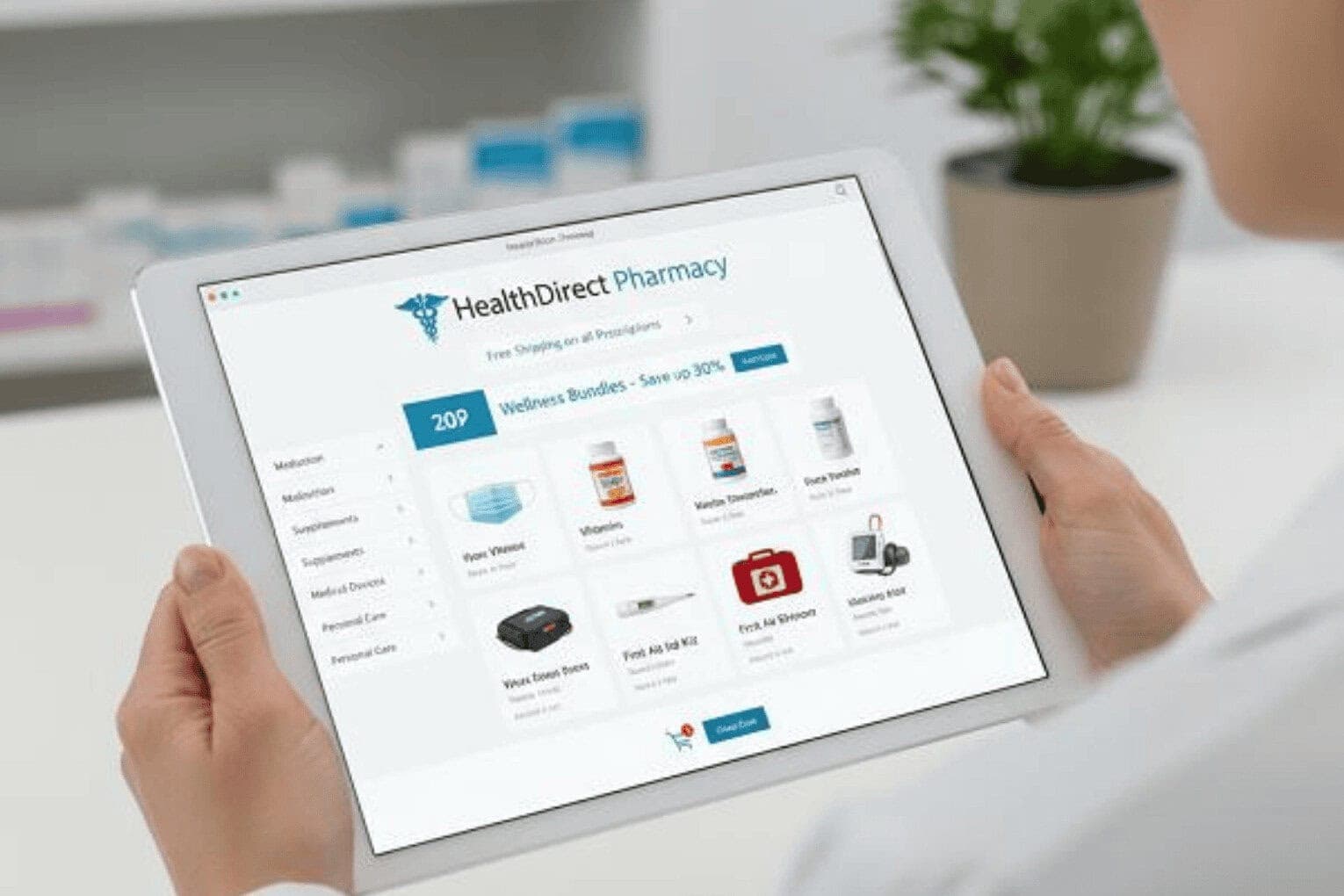
The United States healthcare e-commerce market is projected to expand significantly between 2024 and 2031, driven by a surge in online medicine sales, digital health platforms and home-care logistics, according to a new report published by DataM Intelligence. openPR.com
The press release highlights that major players such as Amazon, Alibaba Group Holding Ltd., eBay Inc., CVS Health and Walgreens Boots Alliance are already actively participating in this transformation through expanded digital-pharmacy, diagnostics and telehealth services. openPR.com+1
Growth Drivers
Several factors are fuelling this anticipated growth:
- Increasing internet usage, smartphone penetration and consumer appetite for online shopping are extending into health categories such as medications, medical devices and wellness products.
- The COVID-19 pandemic accelerated acceptance of digital health services, including tele-consultations and home delivery of prescriptions, embedding digital behaviour into healthcare.
- Technological advances, such as AI-enabled recommendation systems, secure e-prescribing platforms, and real-time logistics tracking, are improving the user experience for online healthcare transactions.
- Regulatory shifts in the United States are supporting the digital channel: changes in telehealth rules, pharmacy-delivery solutions and cross-border logistics are opening up new healthcare-commerce pathways.
Market Segments & Structure
The report outlines key segments as follows:
- By product type: The market covers drugs (both prescription and OTC), medical devices and consumables. Medical-device and diagnostics segments are expected to grow rapidly because of home-care trends.
- By application: Telemedicine, caregiving services and virtual-consultation platforms form the largest components, driven by shifting models of care and online prescription renewal.
- By end-user: Hospitals and clinics remain major buyers of online health-commerce platforms, but direct-to-consumer (patients and households) demand is showing the fastest increase. openPR.com
Strategic Implications
For pharmacy retailers, e-commerce players, logistics firms and health-tech providers, the findings carry important strategic signals:
- E-commerce firms should explore partnerships with digital-health platforms to integrate product-sales, telehealth and home-delivery into a unified offering.
- Logistics and fulfilment companies can differentiate by specialising in regulated-health-product delivery, cold-chain services or same-day dispatch for medical goods.
- Health-care firms and insurers may view online-commerce channels as a growth area for patient engagement, remote prescribing and subscription-based models.
- Regulators and policymakers will need to balance consumer access, data-privacy, product-safety and cross-border e-commerce rules in this fast-evolving landscape.
Challenges & Considerations
Despite the promising outlook, several obstacles may slow progress:
- Compliance and regulation remain complex: health-commerce must navigate FDA rules, e-pharmacy licensing, data-security frameworks (HIPAA) and cross-state logistics issues. openPR.com
- Digital-health consumer trust is critical, delivering safe, reliable fulfilment of medicines and devices is more challenging than general retail.
- Smaller-scale logistics or healthcare-providers may struggle to scale rapidly; integration with existing care-models remains a barrier.
- Competitive dynamics could intensify: traditional pharmacies, e-commerce platforms and new entrants all vying for share means margin pressure may rise.
Outlook
As U.S. healthcare-commerce evolves, expected outcomes include:
- A steady increase in online prescription-medication sales and remote-consultation-linked e-commerce channels.
- Greater consumer-adoption of online wellness, diagnostics and home-monitoring device purchases.
- The emergence of hybrid care-commerce models: virtual visit → product recommendation → online checkout → home delivery.
- Consolidation among players with capabilities across care, commerce and logistics, or partnerships that bring these together.
Conclusion
The U.S. healthcare e-commerce market is poised for strong growth through to 2031, with digital health, tele-medicine, online pharmacy and logistics innovation driving expansion. While regulatory and operational headwinds exist, the convergence of consumer expectation, technology adoption and healthcare-delivery change presents a meaningful opportunity for industry participants across retail and health-care value chains.
Read more on
About the author
WORLDEF Editors
921 stories on WORLDEF since January 2025.
More from WORLDEF Editors →Related
Google Launches “Universal Cart” Feature That Combines Shopping from Different Stores into a Single Cart
Dubai’s Population and Consumer Spending Exceed Pre-Crisis Levels

Dubai CommerCity and Tencent Cloud Partner to Drive Digital Transformation in E-Commerce

Syria Resumes Postal Services: Cooperation with Türkiye on E-Commerce on the Agenda

The week in commerce, before your competitors.
1,458 stories since January 2025, distilled into three newsletters. Pick the ones you want.