Air Cargo Shifts: 5 Ways E-Commerce Growth Is Reshaping Global Logistics

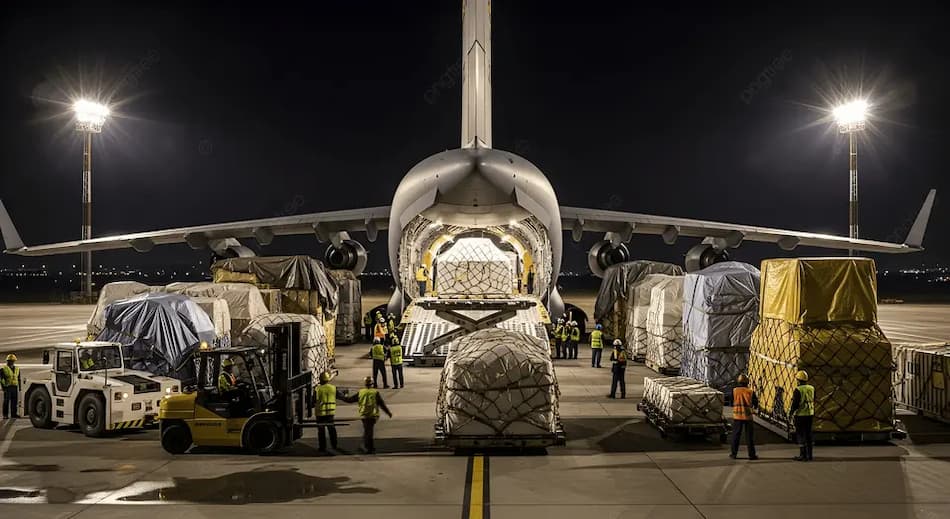
Global air cargo networks are undergoing significant changes as geopolitical tensions and the rapid growth of e-commerce reshape the movement of goods across international markets.
Airlines, logistics companies and cargo operators are increasingly adjusting their routes and supply chain strategies to respond to shifting trade patterns, regulatory pressures and disruptions in key aviation corridors. At the same time, the continued expansion of cross-border online shopping is driving strong demand for faster and more reliable air freight services.
Industry analysts say the intersection of geopolitical developments and digital commerce is accelerating structural changes across the global air freight sector.
E-Commerce Demand Continues to Drive Air Freight Growth
The rapid expansion of e-commerce has become one of the most important forces shaping global air cargo demand. Online marketplaces and international retailers rely heavily on air freight to transport high-value and time-sensitive goods quickly between production centers and consumer markets.
As consumers increasingly expect faster delivery times, logistics providers are expanding their air freight capacity and improving operational efficiency to support global e-commerce supply chains.
Air freight offers a major advantage for online retail shipments because of its speed and reliability compared with other transportation methods. This makes it a critical component of cross-border e-commerce logistics, particularly for electronics, fashion products and other high-demand consumer goods.
Industry data suggests that e-commerce shipments now represent a growing share of global air cargo volumes, reflecting the increasing role of digital commerce in international trade.
Geopolitical Developments Affect Global Cargo Routes
Recent geopolitical tensions have also created new challenges for the air freight industry. Disruptions affecting certain regions, particularly in parts of the Middle East, have forced airlines to adjust flight paths and rethink their logistics strategies.
Air cargo carriers that previously relied on established aviation corridors must now consider alternative routes, which can increase operating costs and extend transit times.
These developments highlight how geopolitical uncertainty can quickly influence global logistics networks. However, air cargo operators have demonstrated flexibility by adapting their routes and maintaining supply chain continuity despite changing conditions.
Trade Policies and Regulations Add Complexity
In addition to geopolitical risks, shifting trade policies and regulatory changes are also influencing global cargo flows.
Tariffs, export controls and evolving trade regulations can alter the economics of cross-border shipping, forcing logistics companies and online retailers to reconsider traditional supply chain routes.
As a result, many global companies are diversifying their logistics strategies and investing in more resilient supply chain infrastructure to reduce exposure to policy changes.
This approach allows businesses to maintain stable international delivery operations even as the regulatory environment continues to evolve.
Air Cargo Industry Adapts to a Changing Market
Despite these challenges, the long-term outlook for the air cargo industry remains closely tied to the continued growth of e-commerce.
Airlines and logistics providers are investing in digital technologies, automation and improved tracking systems to increase efficiency and support the rising volume of online retail shipments.
New cargo hubs and logistics infrastructure are also being developed in several regions as companies seek to strengthen supply chain resilience and improve global connectivity.
As geopolitical dynamics and global trade patterns continue to shift, air freight will remain a critical backbone of international e-commerce logistics, ensuring that goods move quickly and efficiently across borders.
The evolving relationship between geopolitics and digital commerce is likely to continue reshaping global air cargo networks in the years ahead.
Source: Aviation Week