
Artificial Intelligence Determines the New Growth Route of E-Commerce in Europe

In Europe, e-commerce is once again becoming a key growth area for retail and consumer companies following the post-pandemic normalization process. According to McKinsey’s assessment, despite macroeconomic pressures and consumers spending more cautiously due to inflation, digital commerce continues to grow. It is stated that e-commerce in Europe is growing at an annual rate of 5% to 7%, and that this growth is largely supported by marketplaces.
The Impact of AI Is Increasing in E-Commerce Competition
McKinsey emphasizes that the factor distinguishing this new growth cycle from previous periods is not only demand, but also artificial intelligence-powered capabilities. While generative artificial intelligence transforms product discovery, content production, and customer interaction, analytics systems turn pricing, product variety, and delivery processes into continuously optimized structures.
Otto CEO Boris Ewenstein stated, “AI is the next paradigm shift in e-commerce. Just like the transition from catalogs to online, from online to mobile, and from mobile to platforms, AI will fundamentally change how customers shop and how we serve them.”
Agentic Commerce Is Changing the Shopping Journey
According to the news, agentic AI is redefining e-commerce competition with systems that search for products on behalf of consumers, evaluate options, and carry out multi-stage transactions. McKinsey research shows that 38% of consumers in Europe use generative AI tools for product and service research. In addition, it is projected that by 2030, between $3 trillion and $5 trillion in revenue in global B2C retail could be shaped through agentic commerce models.
Allegro CTPO David Roberts stated that traditional shopping, hyper-personalized recommendations, and the headless commerce model, in which AI assistants shop on behalf of users across platforms, will develop in the customer journey.
Retail, Media, and Omnichannel Are Converging
According to McKinsey, the boundaries between content, media, and purchasing processes are also disappearing. Short videos, live broadcasts, and content creators are no longer only traffic sources, but also function directly as digital stores. Pandora Senior Vice President of E-Commerce Jesper Damsgaard stated, “We want every online interaction to feel as carefully crafted and designed as our jewelry.”
It is also stated that AI-powered retail media networks have become an important area of profitability for companies. The news states that retail media margins can be up to 10 times higher than core retail margins.
Operational Efficiency Comes to the Fore with AI
McKinsey states that AI can reduce transaction time in customer service by 40% to 60%, that AI-powered pricing can increase gross margins by 2 to 5 points, and that it can reduce inventory costs in the supply chain by 10% to 20%. It is stated that in the new era of e-commerce, competitive advantage will strengthen among companies that position AI not only as a tool, but as the core structure of the commercial system.
Read more on
Related
Rakuten Survey: 54.3% of Gen Z Use Artificial Intelligence While Shopping

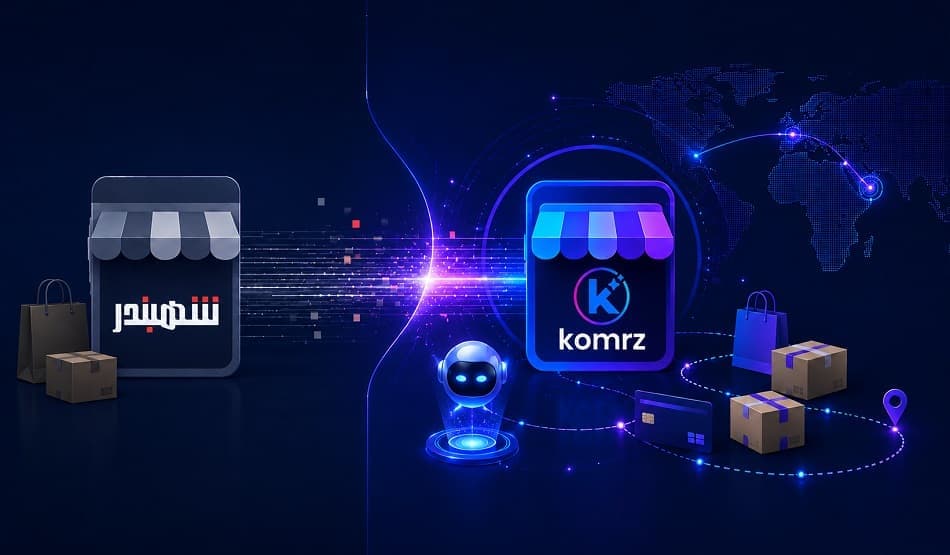
Shahbandr Rebrands as “Komrz”: Global E-Commerce Expansion with AI Assistant Komi
Flipkart Builds Proprietary E-Commerce LLMs as AI Generates Up to 40% of Its Code

Amazon Reports Strong Q1 2026 Growth as AI and Cloud Drive Positive Momentum

The week in commerce, before your competitors.
1,448 stories since January 2025, distilled into three newsletters. Pick the ones you want.