
European Air Cargo Demand Falls as EU Tightens Import Rules
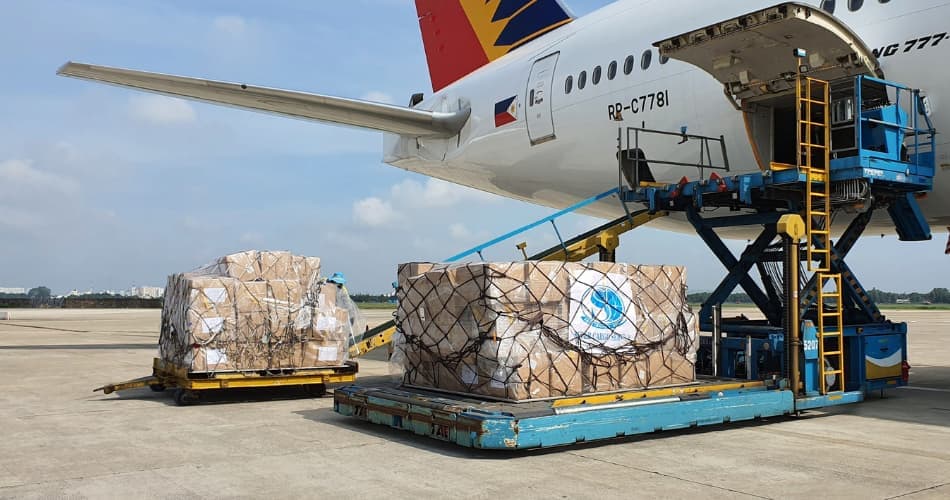
European air cargo demand continued to weaken last week, with the latest decline linked partly to the European Union’s stricter rules governing imports, according to industry data reported by Air Cargo News.
The slowdown is particularly visible on the China-Europe trade lane, which plays a major role in supporting cross-border e-commerce. Changes to the EU’s import framework are adding pressure to a market already facing shifts in consumer demand, shipping patterns and logistics costs.
Stricter EU Rules Affect Cross-Border Shipments
The European Union has been tightening its approach to low-value imports as the volume of e-commerce parcels entering the bloc continues to grow.
For air cargo operators and e-commerce logistics providers, these regulatory changes can influence shipment volumes, customs processes and delivery economics. The impact is particularly significant for businesses relying on high-frequency, low-value shipments from major Asian e-commerce markets.
As import requirements become more stringent, some shipment flows may be consolidated or adjusted, potentially reducing the number of individual air cargo movements.
China-Europe Air Cargo Under Pressure
China remains one of the most important origins for European e-commerce imports. The continued decline in demand on the China-Europe lane therefore highlights the broader impact that regulatory changes can have on international e-commerce logistics.
The latest figures also point to a more challenging environment for air freight operators, as demand is becoming increasingly sensitive to both regulatory developments and changes in cross-border shopping patterns.
For logistics providers, this could accelerate efforts to optimize networks, consolidate shipments and develop more flexible delivery models.
What It Means for E-Commerce Logistics
The developments underline the growing connection between e-commerce regulation and logistics performance.
As European authorities introduce stricter import requirements, retailers, marketplaces and logistics companies will need to adapt their cross-border supply chains. This may include improving customs compliance, changing fulfilment strategies and reassessing the economics of air transportation for smaller parcels.
The trend also reinforces the importance of building flexible logistics networks capable of responding quickly to regulatory changes.
For the global e-commerce industry, the coming months will show whether the decline in European air cargo demand represents a temporary adjustment or a longer-term shift in cross-border shipping patterns.
Read more on
About the author
Leila Gadirli Pirgulieva
253 stories on WORLDEF since March 2026.
More from Leila Gadirli Pirgulieva →Related
Dubai Air Cargo Transactions Surge 53% as E-Commerce Shipments Accelerate

Shiprazor Raises $2.65M to Strengthen E-Commerce Logistics in South Africa

EU Regulators Challenge JD.com’s $2.5B Economy Acquisition

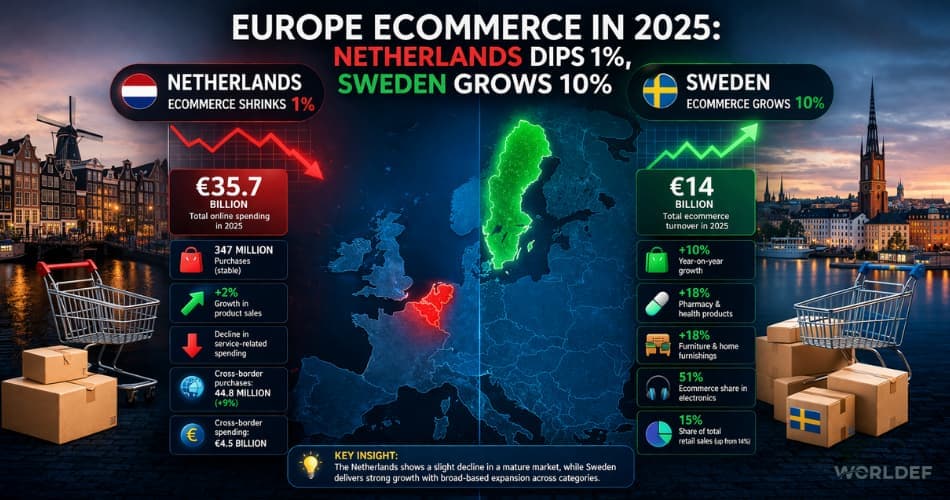
Europe’s Ecommerce Faces Sharp Divide as Netherlands Slips 1% While Sweden Surges 10% in 2025
The week in commerce, before your competitors.
1,452 stories since January 2025, distilled into three newsletters. Pick the ones you want.