
Generative AI & Retail Media Transform MENA E-commerce
A transformative alliance between generative artificial intelligence (AI) and advanced retail media solutions is reshaping the e-commerce ecosystem across the MENA (Middle East and North Africa) region.

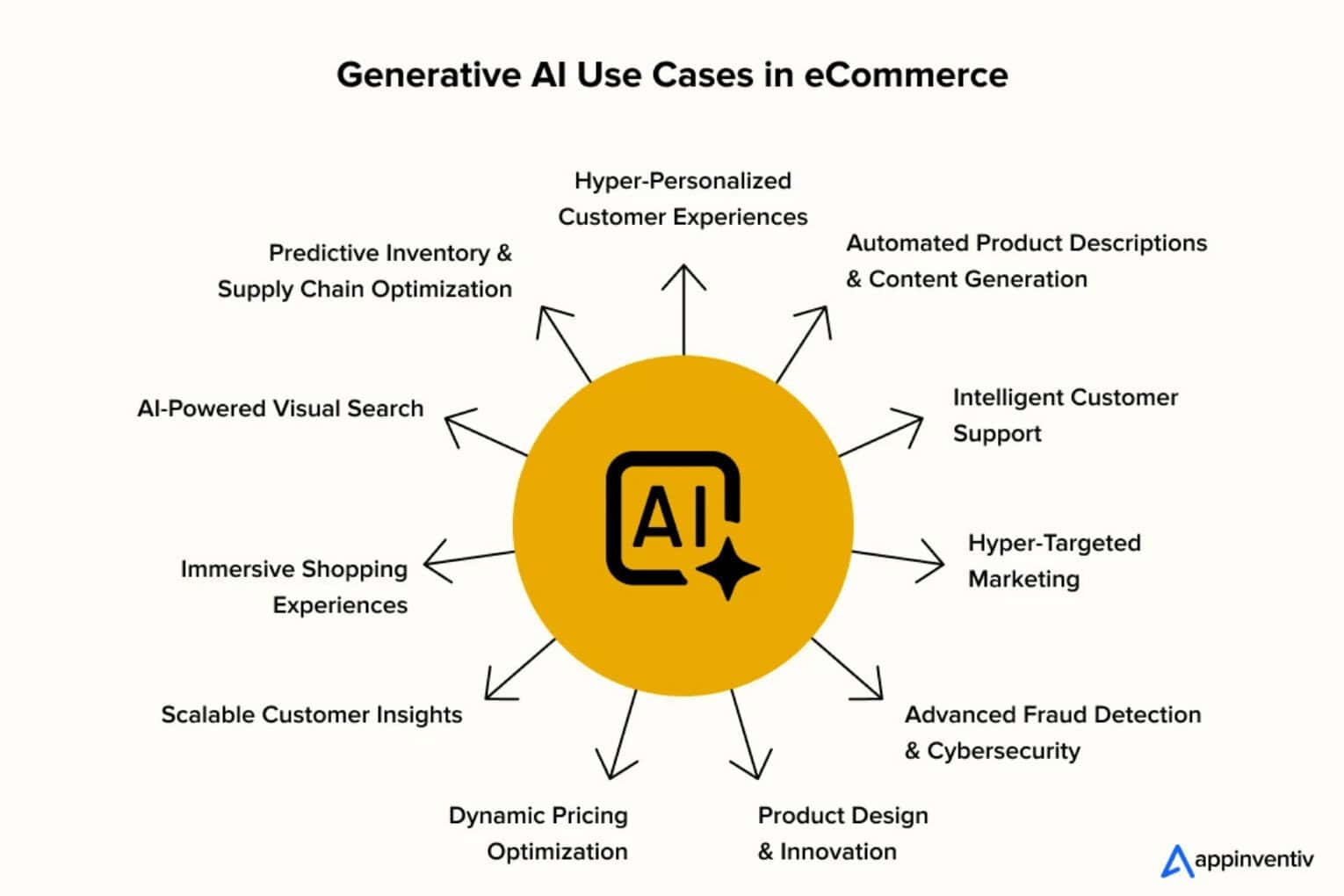
A transformative alliance between generative artificial intelligence (AI) and advanced retail media solutions is reshaping the e-commerce ecosystem across the MENA (Middle East and North Africa) region. This fusion is expected to enhance customer purchase decisions, amplify sales, boost profit margins, and reduce return rates for major marketplaces such as Amazon, Noon, and Talabat (Saudi Press).
Generative AI enables marketplaces and brands to produce highly realistic and tailored product visuals in varied contexts, enabling consumers to visualize products with far greater clarity. Meanwhile, retail media tools optimize product promotion, drive targeted traffic, improve sales performance, and reduce mismatch between user expectations and actual product delivery (Saudi Press).
How Generative AI Elevates the Product Experience
One of the core advantages of generative AI is the ability to create high-fidelity product presentations across multiple settings. For example, a piece of furniture might be visualized in different rooms, lighting conditions, or color variations without needing multiple physical photoshoots. This level of visual dynamism boosts customer confidence and can potentially lower return rates by managing expectations more accurately.
Moreover, generative AI is not limited to visuals. It can also analyze customer preferences and shopping behavior, enabling dynamic pricing, personalized offers, and predictive upsells. Sellers can adjust pricing strategies in real time raising margins during high demand or discounting intelligently during lower traffic periods.
In the MENA region, 24TTL, a Dubai-based SaaS provider, is leading with products like 24AI, which helps marketplaces generate convincing product visuals, and 24ORM, which monitors content across over 300 digital retail stores for performance insights. With over 100,000 users, 24TTL is expanding its footprint, targeting regional ecommerce platforms and pushing for deeper integration (Saudi Press).
The Role of Retail Media in Amplifying Impact
Retail media—the practice of promoting products within a shopping environment via paid placements—complements generative AI by ensuring the right products are seen by the right customers. Through sponsored listings, featured placements, and native ad units, retail media bridges the gap between discovery and conversion.
When combined with generative AI, retail media becomes more intelligent. For example, a marketplace might prioritize displaying AI-enhanced images of products that are more likely to convert, pushing those into high-visibility slots. This synergy can lead to better click-through rates, higher conversion, and optimized ad spend.
Retail media also helps diversify revenue streams for platforms. Instead of relying solely on commissions or listing fees, marketplaces can monetize ad placements—turning each product page into a revenue opportunity. In a competitive MENA e-commerce environment, this model is gaining traction.
Market Growth & E-Commerce Trends in MENA
The MENA region’s e-commerce sector is growing at a rapid clip. Online shopping is projected to reach USD 57 billion by 2026, following a year in which the sector grew by 68 percent. In 2023 alone, about 91 percent of consumers in MENA reported shopping online.
The United Arab Emirates stands out as a leading market: its e-commerce volume in 2023 was estimated at USD 11.4 billion, with expectations to reach USD 17.2 billion by 2027 (Saudi Press).
Challenges and Risks to Watch
-
Data Accuracy & Bias: AI models trained on incomplete or skewed data risk producing misleading visuals or recommendations.
-
Quality Control: Automatically generated product images may look attractive but diverge from real-world characteristics.
-
Privacy & Compliance: With increased personalization comes heavy reliance on consumer data.
-
Platform Integration: Many regional SMEs may lack infrastructure to adopt advanced AI tools.
-
Investment & Scalability: Expanding such systems across languages and markets in MENA requires significant resources.
Strategic Implications for Stakeholders
-
For Marketplaces: Stronger seller tools = better loyalty and reduced churn.
-
For Brands: Richer product control improves margins and customer trust.
-
For Consumers: More immersive and personalized experiences.
-
For Investors: Startups like 24TTL may become attractive investment targets.
Conclusion
The convergence of generative AI and retail media is rapidly transforming how e-commerce operates in the MENA region. As consumer expectations rise and markets mature, platforms that adopt smarter content generation and ad capabilities will likely gain a competitive edge.