
The De Minimis Shift: E-Commerce and Shopper Habits Set for Major Change
Online shopping is on the cusp of a significant transformation as the United States prepares to revoke the long-standing de minimis exemption for low-value cross-border purchases.

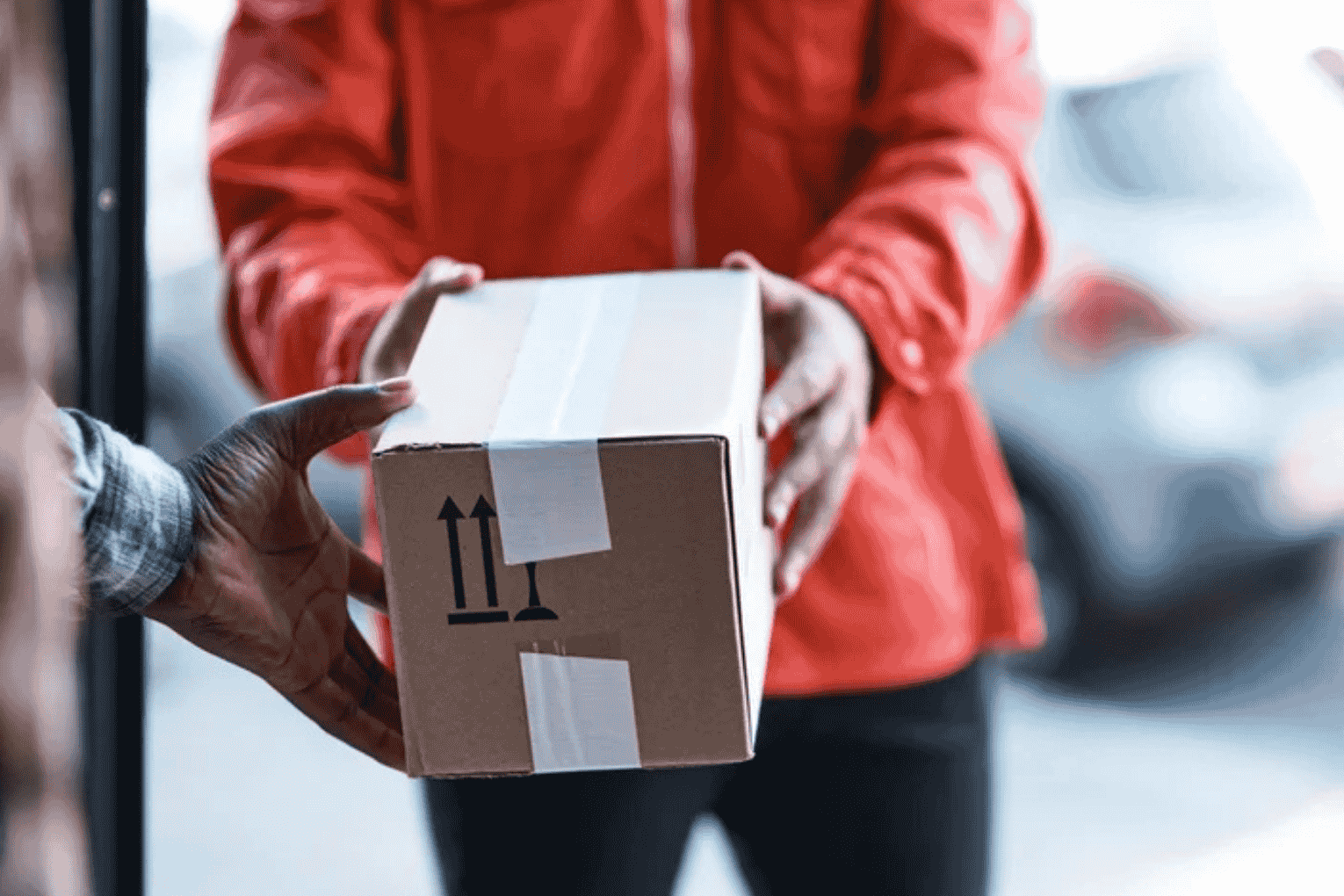
Online shopping is on the cusp of a significant transformation as the United States prepares to revoke the long-standing de minimis exemption for low-value cross-border purchases. Until now, imported goods valued at $800 or less per person per day entered the country free from tariffs and duties—a policy adopted in 2016 to encourage small-scale trade. But beginning August 29, 2025, all such parcels will be subject to full customs duties, reshaping everything from pricing structures to logistics and consumer behavior.
A New Era of Tariffs and Consumer Choice
As this policy shift takes hold, shoppers can expect to notice higher prices at checkout—product cost + taxes, duties, and shipping will become the new norm. Expenses that were once hidden behind “duty‑free” labeling will now be transparent, prompting more thoughtful buying decisions. Impulse purchases, especially on social shopping platforms, may decline as customers pause to calculate total costs and compare alternatives.
Even e-commerce giants like Shein, Temu, and Amazon, who thrived on ultra-low-cost cross-border shipping, will need to adjust. Some have already begun building inventories in U.S.-based warehouses to avoid per-package duties, hoping to soften the impact on delivery times and prices. Still, many smaller online sellers and artisans—whose margins are tight—could struggle to absorb the new costs or raise prices competitively.
This policy change will also have ripple effects across the supply chain. U.S. Customs and Border Protection will face a surge in formal declarations, creating longer clearance times and potentially slowing deliveries. Carriers like UPS, FedEx, DHL, and courier services will see higher operational overhead, with the added burden of customs compliance and new fee structures. Meanwhile, some niche sellers that once exploited the loophole—such as border-area fulfillment businesses—may struggle to sustain their business models.
In the end, this shift may empower domestic producers. As import costs rise, consumers may turn to U.S. brands for affordability and convenience. Digital marketplaces that transparently include duties in pricing and offer fast, clear delivery options could gain a new competitive edge. The e-commerce landscape is entering a recalibration—one where global trade costs are fully visible, supply chains evolve, and both customers and businesses adapt to a more transparent and regulated future.