Tough Measures Taken Against E-Commerce Giants in India
Strict measures are being implemented against uncertified products sold on e-commerce platforms in India, such as Amazon, Flipkart, Meesho, Myntra, and BigBasket. During raids on e-commerce warehouses, thousands of uncertified materials were seized.

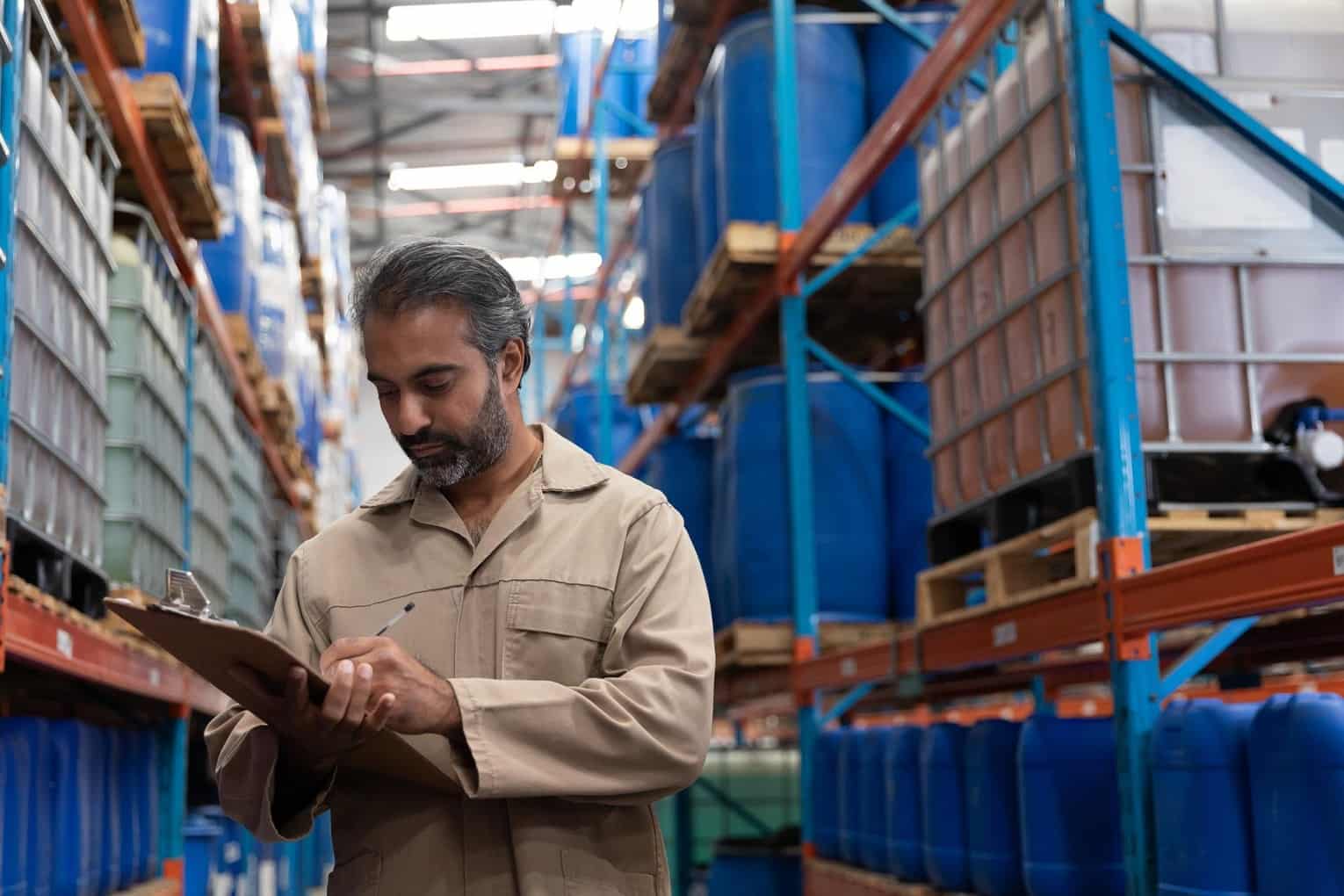
India is increasing its oversight of unsafe and uncertified products sold on e-commerce platforms. During raids carried out by the Bureau of Indian Standards (BIS), thousands of uncertified items were confiscated from warehouses linked to Amazon, Flipkart, and other e-commerce marketplaces. The Ministry of Consumer Affairs is involved in this effort.
India and the United States (US) have recently been in disagreement over regulatory flexibility for online platforms. India is requesting stricter compliance measures to protect local consumers. The Bureau of Indian Standards (BIS), under the Ministry of Consumer Affairs, is conducting inspections of consumer products to ensure compliance with mandatory safety and quality standards, conducting raids on e-commerce warehouses.
Uncertified Products Continue to Be Sold on E-Commerce Platforms
In a statement from the Ministry of Consumer Affairs, it was reported that the inspected products included pressure cookers, hand mixers, food blenders, electric irons, room heaters, PVC cables, stoves, toys, two-wheeled helmets, switches, sockets, and aluminum foils. Given the safety risks posed by substandard products, the government has made the BIS certification mandatory for these items.
Despite the regulations, many uncertified products continue to be sold on platforms like Amazon, Flipkart, Meesho, Myntra, and BigBasket. These products often lack the legally required ISI mark and contain fake certification information. According to the Ministry’s statement, these products are frequently sold with counterfeit certifications. To prevent this, search and seizure operations were carried out at e-commerce warehouses in cities like Lucknow, Gurugram, and Delhi.
Raids on E-Commerce Giants’ Warehouses
During the raids, 215 uncertified toys and 24 hand mixers were seized from an Amazon warehouse. Another raid in Gurugram resulted in the confiscation of 58 aluminum foils, 34 metal water bottles, 25 toys, 20 hand mixers, 7 PVC cables, 2 food blenders, and 1 speaker. In Flipkart’s Gurugram warehouse, 534 uncertified stainless steel vacuum drinking bottles, 134 toys, and 41 speakers were seized.
Further investigations revealed that many uncertified products were linked to Techvision International Pvt. Ltd. BIS raided the company’s two facilities in Delhi, seizing 7,000 uncertified electric water heaters, 4,000 electric food blenders, 95 electric room heaters, and 40 stoves.
Amazon’s Statement Regarding the Issue
An Amazon spokesperson commented on the issue, stating, “We require all product sellers to comply with applicable laws, regulations, and Amazon policies. We also ensure that our selections meet industry-accepted standards and are developing innovative tools to prevent unsafe products from being listed. To ensure a safe choice for our customers, we take steps such as removing non-compliant products and, when necessary, communicating with sellers, manufacturers, and government authorities.”
Dispute Between India and the US on E-Commerce Regulations
A disagreement has arisen between India and the United States regarding e-commerce regulations and the oversight of online trade. India seeks to enforce stricter safety and quality standards for products sold on online platforms to protect local consumers. In this context, it is argued that stricter measures should be taken to prevent the sale of uncertified, unsafe, or low-quality products on platforms operating in India.
The US, on the other hand, advocates for more flexible regulations and a freer approach to online trade. The US believes that India’s stricter rules on e-commerce platform regulations create barriers to trade and that platforms should be more flexible to ensure the smooth functioning of global trade.
This dispute is particularly focused on the increased inspections of large e-commerce platforms like Amazon and Flipkart, as well as the tightening of certification requirements in India. It has been noted that the US advocates for India to adopt a more relaxed approach to e-commerce and online trade regulations.